
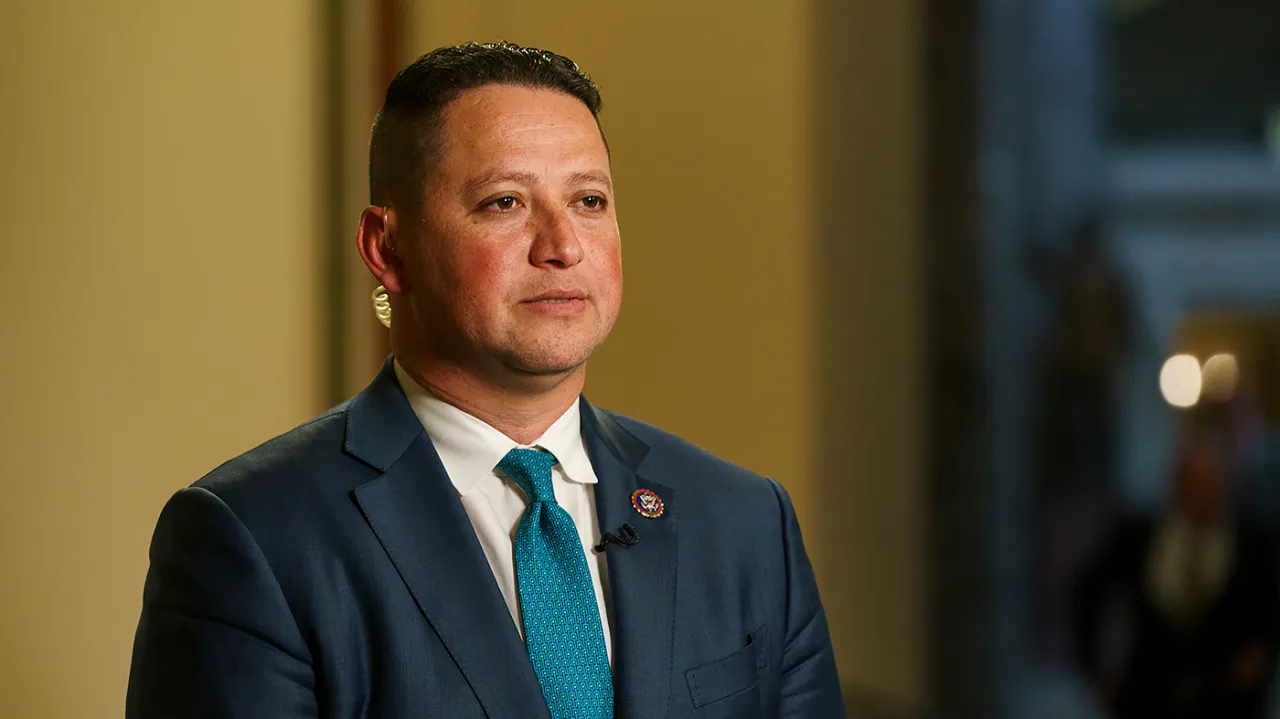
Tony Gonzales Staffer Regina Santos-Aviles Death Records Remain Sealed After Texas AG Ruling
Key investigative records tied to the death of a congressional staffer will remain sealed, limiting public access to official details.
Key details surrounding the death of a congressional staffer will remain out of public view after a ruling by the Texas Attorney General’s Office.
The decision affects records held by the Bexar County Medical Examiner related to Regina Santos-Aviles, 35, a staffer for U.S. Rep.
Tony Gonzales of Texas, who police say suffered fatal burns at her home in Uvalde on Sept. 13, 2025, and died the following day at a San Antonio hospital.
The ruling matters because Texas law generally favors public access to government records, but allows agencies to withhold information when prosecutors say disclosure could interfere with law-enforcement duties.
Even when a medical examiner formally rules a death a suicide, related records can remain confidential if authorities assert that review processes are still active.
As of this week, no timeline has been provided for when the withheld records might be reconsidered for release.
Records Requested by Media Outlets
According to the attorney general’s ruling, multiple media organizations sought records from the Bexar County Medical Examiner, including the autopsy report, toxicology results, and investigative notes connected to Santos-Aviles’ death.
The Bexar County District Attorney’s Office asked the state to block disclosure, citing provisions of the Texas Public Information Act that allow records to be withheld if they relate to an ongoing criminal matter.
While the ruling does not describe the nature of that review in detail, it accepted the district attorney’s argument under state law.
Separate reporting has noted that agencies referenced in coverage of the case include Uvalde Police and the Texas Rangers, a division of the Texas Department of Public Safety.
Officials Cite Procedure, Privacy, and Public Records Law
Authorities have emphasized that the handling of Regina Santos-Aviles’ death remains governed by established procedure rather than new factual findings.
Police statements released after the incident said there was no evidence of third-party involvement, and the Bexar County Medical Examiner ruled the death a suicide by self-immolation.
Emergency responders were called to her Uvalde home at about 9:30 p.m. on Sept. 13 following reports of a fire, and she died the next day after being transported for medical treatment.
Rep. Tony Gonzales has publicly denied tabloid claims alleging a personal relationship with Santos-Aviles, calling those reports untrue during remarks at a public event in Austin, and he has not been accused of wrongdoing by law-enforcement authorities.
For the public, the Texas Attorney General’s ruling means that detailed forensic and investigative records often used to examine timelines and official conclusions will remain unavailable for now.
Under the Texas Public Information Act, agencies may withhold records when prosecutors assert that disclosure could interfere with law-enforcement functions, a provision that has been applied in other high-profile death cases, sometimes with records released later once exemptions no longer applied.
How Public Records Disputes Typically Work in Texas
In Texas, public records requests are submitted to the agency that holds the documents, such as a county medical examiner or a local police department.
If officials believe certain materials should not be released, they can ask the Texas Attorney General to decide whether the records qualify for an exemption under state law.
Requesters can still seek release of any non-exempt information and may submit new requests if circumstances change.
Whether records ultimately become public depends on future determinations by prosecutors and state officials, meaning access decisions can evolve over time rather than remain permanent.
Key questions readers are asking
What records are being withheld?
Autopsy-related materials, toxicology findings, and investigative notes held by the Bexar County Medical Examiner are covered by the ruling.
Did the ruling change the cause of death?
No. Authorities have said the medical examiner ruled the death a suicide, and police have reported no evidence of outside involvement.
Are 911 calls and local police records also sealed?
Yes. Separate reporting indicates the attorney general also allowed withholding of 911 calls, police reports, and related video from Uvalde County agencies.
Could the records be released later?
Yes. If prosecutors no longer assert that exemptions apply, the records could become subject to disclosure.
Does the ruling affect other cases?
No. The decision applies only to the specific records requested in this matter.
Next Steps Under Texas Law
The Texas Attorney General’s Office has not set a schedule for reconsidering the release of records tied to Regina Santos-Aviles’ death, and any new or pending requests will continue to be reviewed under the same public-records standards.
No court hearings or additional investigative actions connected to the records dispute have been publicly scheduled.
As things stand, the release of the documents will depend on future decisions by prosecutors and state officials, rather than a fixed deadline or automatic review.
The case shows how Texas transparency laws operate when a death investigation involves a public office, shaping what journalists, open-government advocates, and the public are able to see.
It also underscores how state law can keep records sealed long after a cause of death is formally determined, limiting access to the materials that explain how official conclusions were reached.