
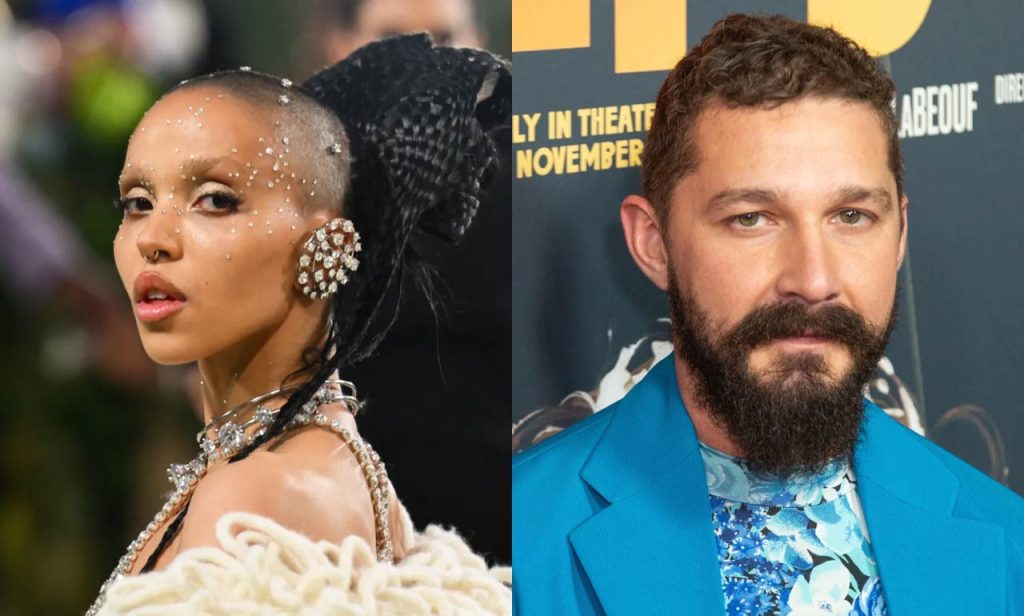
FKA Twigs and Shia LaBeouf are at the centre of a legal dispute that raises a fundamental question: can non-disclosure agreements lawfully restrict individuals from speaking about alleged abuse, or do statutory protections override contractual confidentiality?
Barnett is challenging the enforceability of an NDA linked to her 2020 sexual battery lawsuit, arguing that the agreement cannot prevent disclosure of alleged misconduct.
The claim directly engages California’s STAND Act, legislation designed to limit the use of confidentiality provisions in cases involving sexual misconduct.
The case raises a broader legal issue of increasing relevance to employers and legal practitioners: whether NDAs remain enforceable in abuse-related disputes, or are constrained by statute and public policy.
The Legal Issue Explained
At the centre of the dispute is a fundamental legal question: can a private contract override legislation designed to protect the disclosure of abuse?
A key issue is how broadly the STAND Act applies. According to the complaint, Shia LaBeouf argues that the statute protects disclosures relating to “sexual assault” but does not extend to claims framed as “sexual battery.”
FKA Twigs’s legal team disputes that interpretation, maintaining that, as a matter of statutory purpose and legal reasoning, the Act applies to both forms of misconduct.
The dispute therefore engages a well-established legal principle: contracts are not enforceable where they conflict with statute or public policy.
Even where parties agree to confidentiality, courts may decline to enforce those terms if legislation limits their scope.
Incident Overview
The dispute stems from FKA Twigs’s 2020 lawsuit filed in California, in which she alleged physical, sexual and emotional abuse during her relationship with Shia LaBeouf.
The parties reportedly reached a settlement in July 2025 that included confidentiality provisions, which Barnett now argues are unlawful and unenforceable under California law.
The latest claim, filed on March 25 in Los Angeles Superior Court, seeks to block enforcement of those NDA provisions.
The filing also references a subsequent arbitration claim reportedly initiated by LaBeouf, alleging that Barnett breached the agreement through comments made in a 2025 media interview.
Her legal team maintains those statements were general in nature and legally protected.
Are NDAs Enforceable in Abuse Cases?
The case turns on how far NDAs can restrict speech when allegations of abuse are involved.
Under California’s STAND Act, settlement agreements cannot prevent individuals from disclosing factual information relating to sexual assault, sexual harassment, or related misconduct.
While certain aspects of a settlement, such as financial terms, may remain confidential, the underlying facts are not subject to blanket suppression.
In practice, this creates clear legal limits:
- NDAs cannot be used to silence discussion of alleged misconduct
- Confidentiality clauses may be partially enforceable, but not in full
- Agreements that attempt to go further risk being declared void
The dispute also illustrates how enforcement can turn on statutory interpretation, particularly where parties disagree on how broadly legal protections apply to different categories of misconduct.
The direction of California law has been consistently toward limiting the use of confidentiality in these contexts.
Subsequent legislation, including Senate Bill 331 (the “Silenced No More Act”), expanded earlier protections to cover a broader range of harassment and discrimination claims, reinforcing the principle that workers should not be prevented from speaking about unlawful conduct.
In effect, the legal position is increasingly reflected in legislation: NDAs cannot be used to prevent individuals from speaking about alleged abuse where statutory protections apply, even if both parties agreed to the clause at the time.
Arbitration, NDAs and Business Risk
The dispute also highlights the role of arbitration in enforcing settlement agreements.
Shia LaBeouf’s reported attempt to pursue the matter through arbitration contrasts with FKA Twigs’s decision to challenge the NDA in court, reflecting a broader legal tension.
Arbitration clauses are designed to resolve disputes privately, but courts retain authority to determine whether contract terms themselves are lawful.
Where a contractual provision may be unlawful under statute, courts may intervene regardless of any agreed dispute resolution mechanism.
Although arising from a celebrity dispute, the implications extend well beyond the entertainment industry.
For businesses and legal teams, the case underscores a shift in how NDAs are treated, particularly in employment disputes, workplace investigations, and settlement agreements involving misconduct allegations.
Key risks include:
- Expanding legal limits on confidentiality clauses in sensitive disputes
- Standard settlement terms becoming partially or wholly unenforceable
- Increased exposure to public disclosure, even after settlement
- Heightened reputational risk where confidentiality protections fail
For organisations, the implication is clear: NDAs and arbitration clauses cannot be relied upon to fully contain allegations of misconduct where statutory protections apply, requiring a more careful and legally compliant approach to how such agreements are structured and enforced.
What Happens Next
The court will determine whether the NDA provisions at issue are enforceable under California law.
If found to conflict with the STAND Act, those provisions may be declared void, limiting the ability to pursue claims based on alleged breaches of confidentiality.
The case may also provide guidance on how broadly the Act applies, particularly whether distinctions between “sexual assault” and “sexual battery” have legal significance in this context.
More broadly, the outcome is likely to influence how settlement agreements are drafted and enforced, especially in disputes involving allegations of misconduct.