
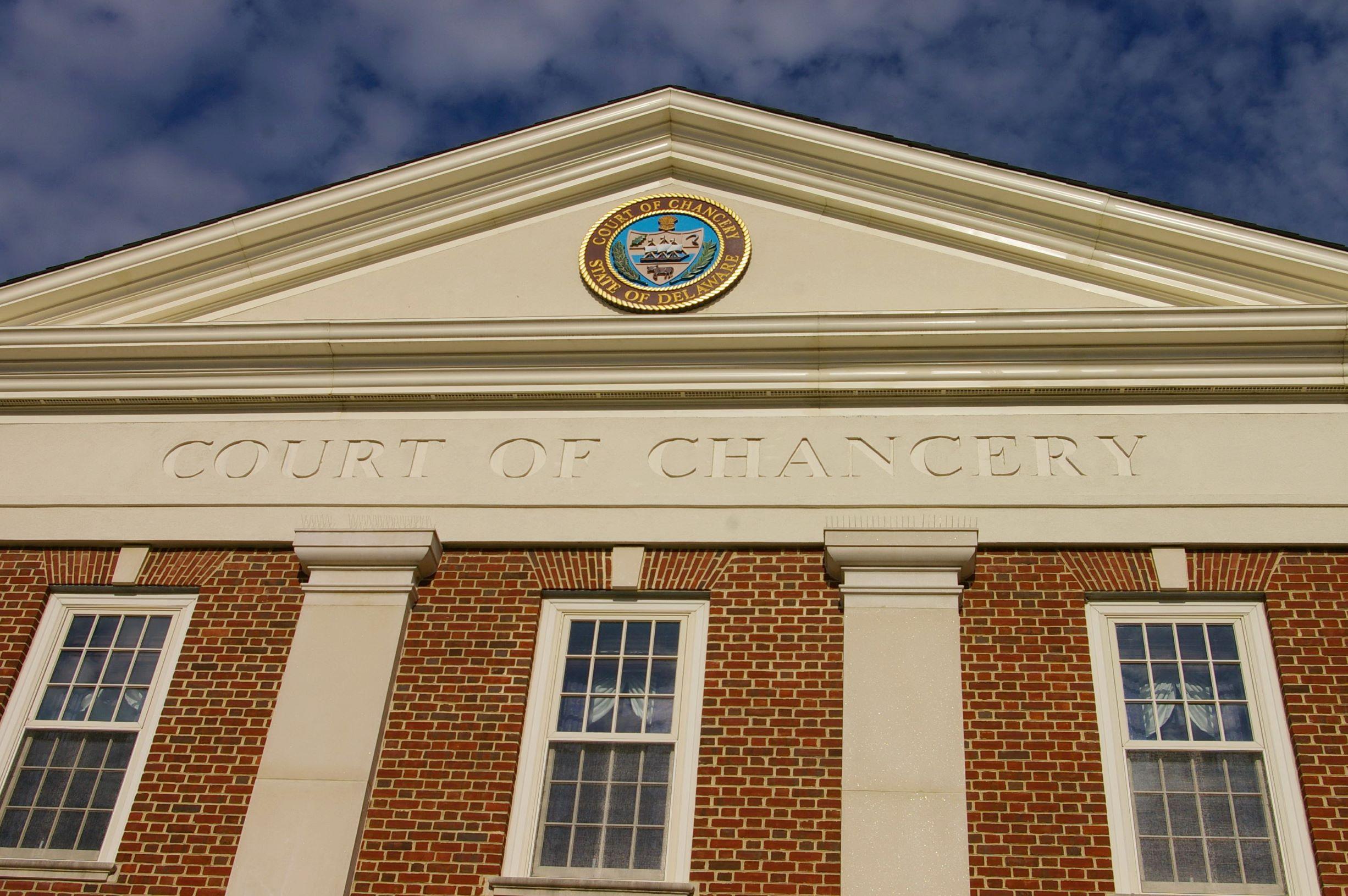
The Delaware Court of Chancery has dismissed a shareholder lawsuit against Jenzabar, Inc., delivering a significant ruling on derivative standing, indemnification disputes, and statute of limitations in corporate governance litigation.
The decision reinforces Delaware’s strict procedural standards and offers important guidance for boards, general counsel, and compliance leaders navigating fiduciary duty risks.
In a memorandum opinion issued on April 13, 2026, Vice Chancellor Will granted the defendants’ motions to dismiss, concluding that the plaintiffs’ claims were derivative in nature, unripe for adjudication, and time-barred.
The ruling underscores the decisive role procedural defenses play in shareholder litigation and reaffirms Delaware’s position as the global benchmark for corporate governance law.
Background to the Jenzabar Shareholder Dispute
The case arose from allegations brought by Jenzabar stockholders against the company, its founder Robert A. Maginn, Jr., and several current and former directors and affiliates.
The plaintiffs asserted that corporate insiders engaged in misconduct that harmed minority investors and enriched company leadership.
Two principal issues were at the heart of the dispute.
First, the plaintiffs challenged Jenzabar’s advancement of legal fees and payment of a prior judgment on behalf of Maginn.
These payments stemmed from earlier litigation in which the Court of Chancery determined that Maginn had usurped a corporate opportunity belonging to a Jenzabar investment vehicle.
Second, the plaintiffs alleged that between 2010 and 2015, Jenzabar’s leadership engaged in a scheme to overcompensate directors and officers while diluting minority stockholders.
According to the complaint, insiders increased their ownership stakes through incentive programs and cash distributions that allegedly disadvantaged other investors.
The lawsuit asserted thirteen causes of action, including breach of fiduciary duty, unjust enrichment, corporate waste, fraud, and claims for declaratory and injunctive relief.
Delaware Chancery Court Dismisses Jenzabar Shareholder Claims
The Delaware Court of Chancery granted the defendants’ motions to dismiss in full, resolving the dispute on procedural grounds without reaching the merits of the underlying allegations.
Vice Chancellor Will held that the plaintiffs’ claims failed on three threshold bases:
- The purported direct claims were exclusively derivative.
- Claims relating to indemnification were not ripe for adjudication.
- The remaining claims were barred by the statute of limitations.
As the court stated, “the plaintiffs’ claims fail on three threshold grounds: the direct claims are exclusively derivative, the indemnification claims are unripe, and the remaining claims are untimely.”
Counts III, VIII, and XII were dismissed without prejudice, while the remainder of the complaint was dismissed with prejudice.
The Court’s Legal Reasoning
The Delaware Court of Chancery dismissed the case on three threshold procedural grounds: derivative standing, ripeness, and timeliness.
Derivative vs. Direct Claims
The court applied the Delaware Supreme Court’s test from Tooley v. Donaldson, Lufkin & Jenrette, Inc., which examines who suffered the alleged harm and who would benefit from any recovery.
Although the plaintiffs framed several claims as direct, the court determined that they were derivative because the alleged misconduct, such as improper compensation and equity dilution—primarily harmed the corporation.
Any injury to stockholders was indirect and shared proportionally among investors.
Relying on established Delaware precedent, the court emphasized that dilution and overpayment claims typically belong to the corporation and must be pursued derivatively.
Ripeness of Indemnification Claims
The court next addressed allegations concerning Jenzabar’s advancement of legal fees and purported indemnification of Robert A. Maginn, Jr. Central to the analysis was the distinction between advancement and indemnification under Delaware law.
Advancement involves the payment of legal expenses during litigation, whereas indemnification is determined only after the underlying proceedings conclude.
The court found that Jenzabar had advanced legal fees and posted an appeal bond but had not yet made a final determination regarding indemnification.
Because a related indemnification action was pending, the court concluded that the plaintiffs’ claims were premature and therefore unripe.
Statute of Limitations
The court also held that the plaintiffs’ remaining claims were untimely. The alleged misconduct occurred between 2010 and 2015, triggering Delaware’s three-year statute of limitations.
The plaintiffs argued that tolling doctrines, including fraudulent concealment and equitable tolling should apply.
However, the court determined that stockholders were on inquiry notice by at least July 2014, when prior litigation concerning similar allegations became publicly available.
Because the lawsuit was filed in April 2024, the claims were deemed time-barred.
Key Takeaways for Business
- Dilution claims are typically derivative: Allegations involving insider overcompensation and equity dilution generally belong to the corporation rather than individual stockholders.
- Procedural defenses can be decisive: Issues such as standing, ripeness, and timeliness may dispose of shareholder litigation before courts address the merits.
- Advancement and indemnification are distinct rights: Companies must clearly distinguish between these obligations when protecting directors and officers.
- Public disclosures may trigger inquiry notice: Prior litigation and corporate filings can defeat tolling arguments and limit future claims.
- Delaware reinforces strict governance standards: The decision highlights the Court of Chancery’s rigorous approach to procedural compliance in shareholder disputes.
Procedural Outlook
The Delaware Court of Chancery dismissed the complaint in full, resolving the dispute on procedural grounds. Certain claims were dismissed without prejudice, leaving open the possibility of refiling should the identified deficiencies be cured.
The opinion also notes that a separate indemnification action involving Robert A. Maginn, Jr. remains pending before the court.
Beyond this ongoing proceeding, no further procedural developments are specified in the decision.
Case Details
Court: Court of Chancery of the State of Delaware
Date: April 13, 2026
Case Name: The Gregory M. Raiff 2000 Trust v. Jenzabar, Inc.
Docket Number: C.A. No. 2024-0368-LWW
Area of Law: Corporate Governance / Other Commercial Litigation
Result: Defendants’ motions to dismiss granted.
People Also Ask
1. Why did the Delaware Court of Chancery dismiss the Jenzabar lawsuit?
The court dismissed the case because the claims were derivative, unripe, or barred by the statute of limitations. These procedural deficiencies prevented the court from addressing the merits.
2. What is a derivative shareholder claim under Delaware law?
A derivative claim is brought by stockholders on behalf of a corporation for harm suffered by the company. Any recovery typically belongs to the corporation rather than individual investors.
3. What is the difference between advancement and indemnification?
Advancement involves payment of legal fees during litigation, while indemnification concerns reimbursement after a case concludes. The court held that indemnification issues in this dispute were premature.
4. Why were the claims considered time-barred?
The alleged misconduct occurred between 2010 and 2015. Delaware’s three-year statute of limitations expired well before the lawsuit was filed in 2024.
5. Why is the Delaware Court of Chancery influential in corporate law?
The court is widely regarded as the leading authority on corporate governance and fiduciary duty disputes, shaping legal standards followed by companies worldwide.