
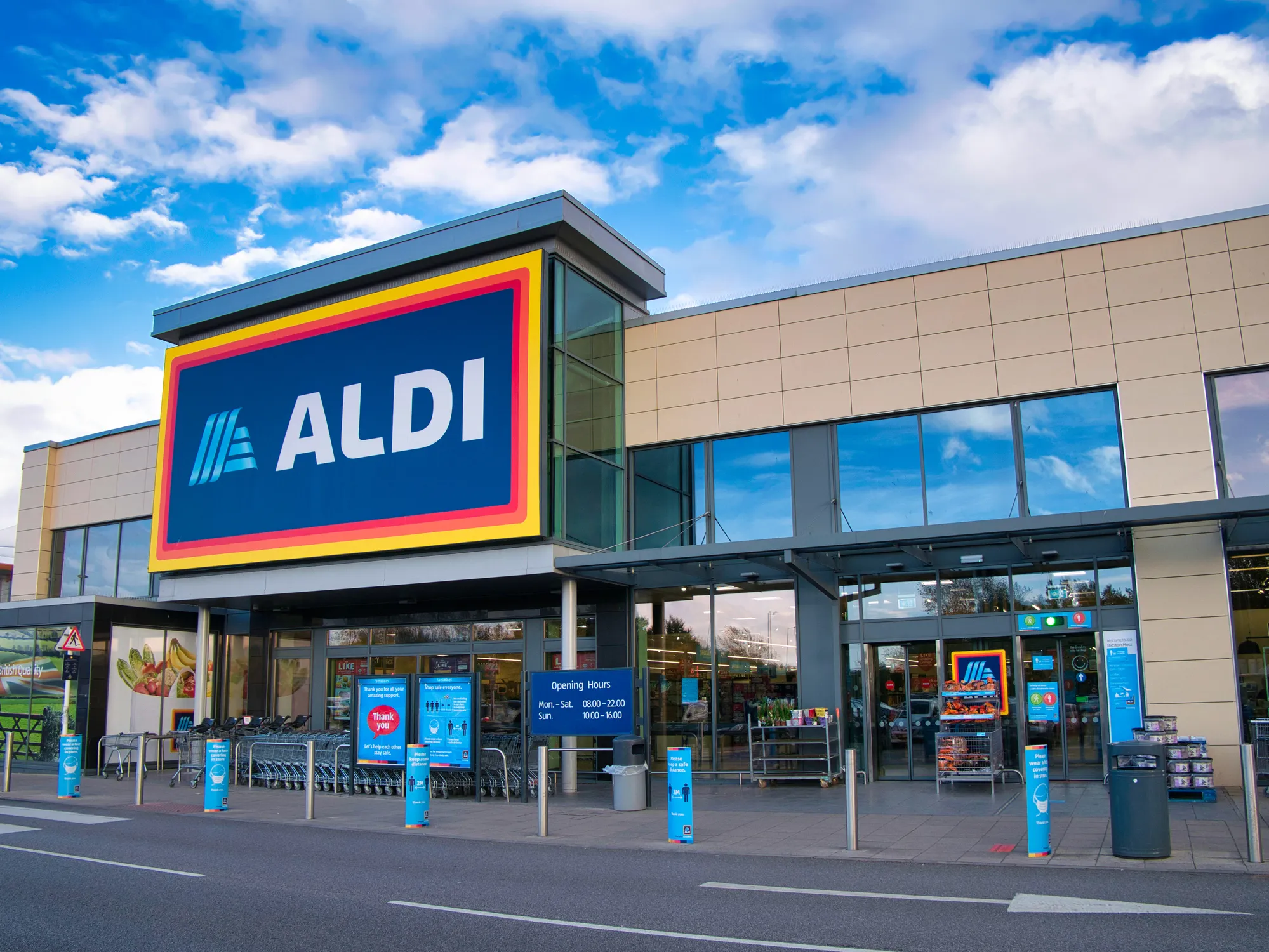
Major UK supermarkets are urging regulators to stop Aldi and Lidl from using restrictive property clauses that can prevent rival grocery chains from opening nearby stores, escalating a competition law dispute that could reshape how fast-growing retailers are regulated in Britain.
The case matters beyond supermarket rivalry because it raises a broader question regulators increasingly face across multiple industries: when should companies that began as disruptive challengers become subject to the same restrictions imposed on larger market players?
J Sainsbury, Morrisons and Iceland Foods have called on the Competition and Markets Authority to apply stricter controls to Aldi and Lidl under the Groceries Market Investigation (Controlled Land) Order 2010.
The supermarkets argue that Aldi and Lidl were originally exempted because they operated as smaller discount retailers with narrower product ranges, but now compete directly with mainstream grocery chains while continuing to benefit from lighter regulatory treatment.
The dispute centres on restrictive land agreements attached to retail sites. These clauses can limit how nearby properties are used and may reduce the ability of competing supermarkets to open stores in the same local market.
Rival chains argue that Aldi and Lidl’s continued expansion, combined with these land-use restrictions, increasingly allows the discounters to influence site availability and local market conditions in ways that were not anticipated when the original rules were introduced.
That issue has become more significant as Aldi and Lidl have expanded rapidly across the UK grocery sector. Aldi is now Britain’s fourth-largest supermarket by market share and plans to continue opening new stores across the country.
Lidl, which already operates more than 1,000 UK stores, recently published a wish list identifying 100 potential new locations for future expansion.
The legal and regulatory question extends beyond food retail because it reflects a wider challenge facing competition authorities. Regulators traditionally encourage disruptive entrants because they increase consumer choice, lower prices and place pressure on established incumbents.
Aldi and Lidl built their UK growth on precisely that argument, particularly after the financial crisis when consumers increasingly shifted towards lower-cost grocery shopping.
However, once fast-growing challengers gain substantial market share and influence over commercially valuable locations, regulators must decide whether continuing to exempt them from certain restrictions still promotes fair competition.
Similar tensions are emerging across technology, telecoms and transport markets, where companies initially welcomed as disruptive competitors later face scrutiny over the scale of their market influence.
The case is also politically sensitive because Aldi and Lidl remain strongly associated with lower grocery prices during an extended cost-of-living crisis. Any regulatory intervention that could slow discount supermarket expansion risks criticism that regulators are protecting larger incumbent chains rather than encouraging price competition for consumers.
At the same time, rival supermarkets argue that competition law cannot operate effectively if businesses with significant market presence continue benefiting from exemptions originally intended for smaller operators.
The dispute therefore goes beyond supermarket property agreements and instead becomes a broader test of how UK regulators intend to balance consumer pricing, market access and long-term competition policy as retail competition evolves.
The CMA is currently assessing whether Aldi and Lidl should become designated under the Controlled Land Order framework, a decision that could influence not only the future of UK grocery competition, but also how regulators approach expansion strategy and market power across other sectors of the economy.