
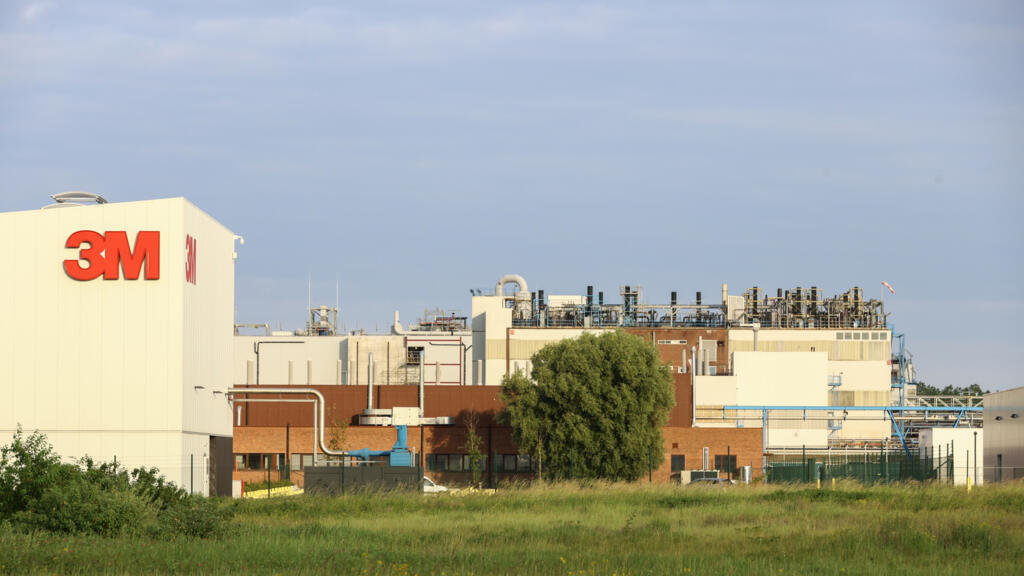
Australia is suing 3M for more than AU$2 billion ($1.4 billion) over contamination linked to PFAS firefighting foam used at military bases in what the government described as its largest-ever compensation claim relating to environmental contamination.
The lawsuit places renewed attention on the growing financial and legal costs tied to PFAS chemicals, which have triggered contamination disputes, cleanup programs, and regulatory scrutiny in multiple countries.
Australia filed proceedings in the Federal Court of Australia against 3M Company and 3M Australia over contamination linked to PFAS-containing firefighting foam used across 28 defense sites. The chemicals, formally known as per- and polyfluoroalkyl substances, were widely used for decades because they resist heat, grease, stains, and water.
Attorney-General Michelle Rowland said the government is seeking compensation for past and future remediation costs and alleged that 3M withheld information about environmental risks associated with the chemicals.
Assistant Defense Minister Peter Khalil said Australia had already spent around AU$1.3 billion managing contamination, including removing more than 200,000 metric tons of contaminated soil and treating billions of liters of polluted water.
3M said it would defend the lawsuit, arguing it stopped selling the relevant products in Australia around two decades ago and claiming the Australian Department of Defense continued using PFAS-based foam long after that period.
PFAS chemicals have become a growing source of litigation and remediation costs for governments, manufacturers, airports, industrial operators, and defense agencies. Cleanup programs tied to groundwater contamination and long-term environmental monitoring have expanded in the United States, Europe, and Australia as regulators tighten oversight of the chemicals.
Australia’s claim also highlights how contamination costs can continue rising years after PFAS exposure is discovered. Because the chemicals do not naturally break down, remediation can involve long-term soil removal, groundwater treatment, environmental monitoring, and ongoing containment programs.
Companies connected to industrial chemicals, firefighting systems, waste management, aviation infrastructure, and defense contracting are facing increasing scrutiny over historic PFAS use and contamination management practices as governments pursue larger environmental recovery claims.
Cleanup costs linked to PFAS contamination are also becoming a growing issue for insurers and companies connected to industrial sites.
Why the 3M PFAS Lawsuit Could Influence Future Environmental Claims
Australia’s case adds to a growing wave of environmental recovery litigation aimed at shifting cleanup costs from governments onto manufacturers and industrial suppliers linked to contamination.
PFAS cleanup programs can continue for decades because the chemicals remain in groundwater and soil long after initial exposure. That leaves governments facing ongoing remediation costs tied to water treatment, land cleanup, environmental monitoring, and public health responses.