
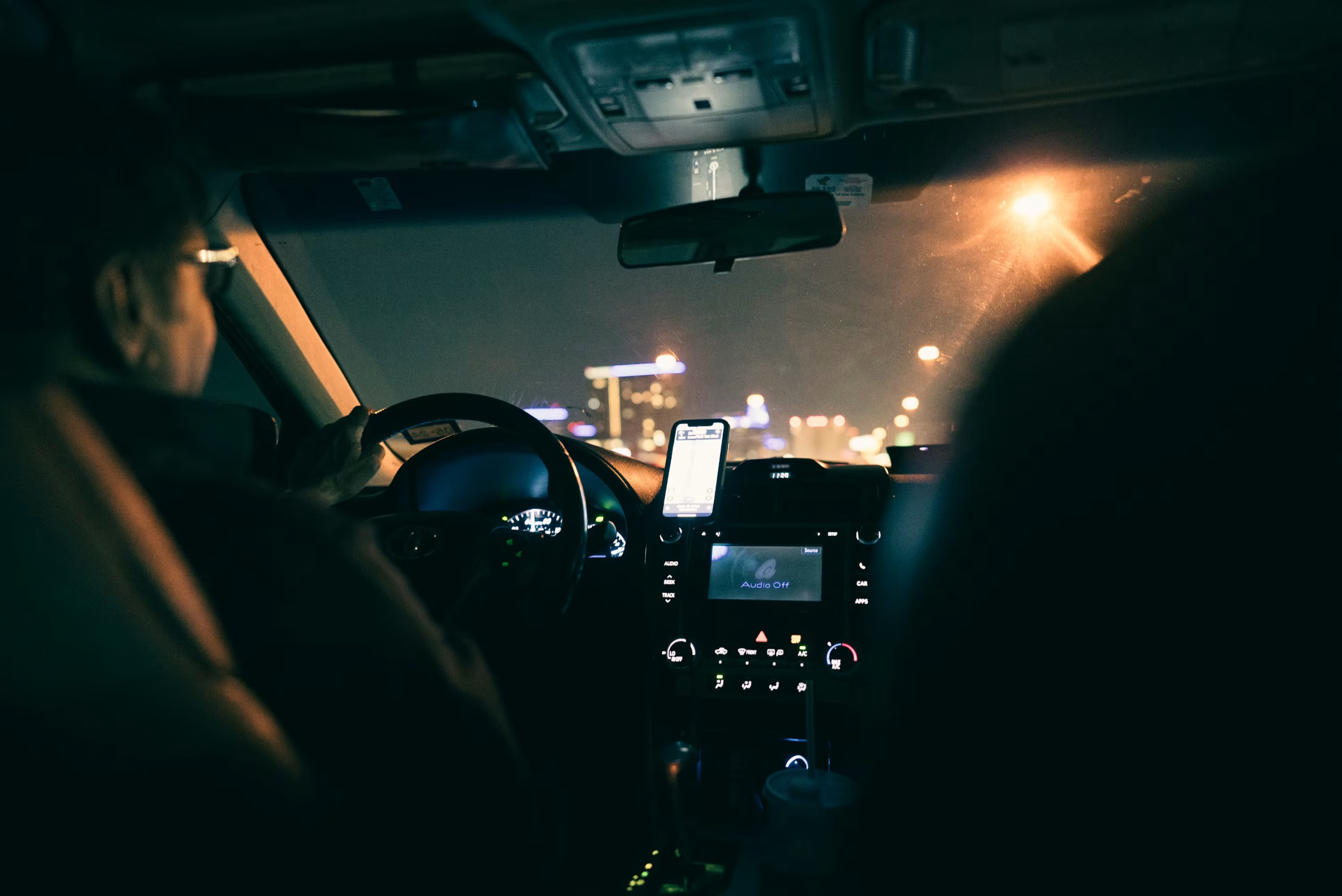
Most people still think their car is just a car. It gets you to work. Sits outside your house all night. Takes your kids to school. Plays music. Gives directions. Maybe flashes a warning light you ignore for three weeks before finally dealing with it.
But modern cars have quietly become surveillance systems people stopped noticing a long time ago.
They know where you live. Where you work. Where you stop for coffee every morning. Which pharmacy you visit. Which school run you make. Whether you regularly disappear into the same street late at night. Whether you spent two hours parked outside somebody else’s house while telling somebody entirely different you were “still at work.”
That is why the settlement involving General Motors is making people so uncomfortable.
Not because most people care deeply about data brokers.
Because suddenly a huge number of drivers are realising their car may already know things about their lives they never imagined leaving the vehicle.
California prosecutors say GM collected and sold driver data through its OnStar systems, including names, contact details, geolocation information and driving behaviour data. The state alleged that information was shared with companies including Verisk Analytics and LexisNexis Risk Solutions as part of a wider data-sharing system tied to connected vehicles.
GM agreed to a $12.75 million settlement and, under the agreement, must stop sharing driving data with consumer reporting agencies for five years while also deleting certain stored data unless drivers give permission for it to remain.
But honestly, the legal settlement is almost the least unsettling part of this story.
The unsettling part is how normal all of this already became without people fully noticing.
For years, technology companies trained people to trade privacy for convenience. Phones did it first. Then apps. Then smart TVs. Then watches. Then doorbells watching streets 24 hours a day.
Now cars are doing it too.
Only cars feel emotionally different.
People still think of cars as private places.
People cry inside cars. Have panic attacks inside cars. Sit silently after funerals gripping the steering wheel because they are not ready to walk into the house yet. Parents rehearse difficult conversations in parked cars before school meetings. Couples end relationships sitting outside homes with engines still running.
Teenagers sit in cars scrolling through messages they are terrified to answer.
Cars still feel private even when technologically they stopped being private years ago.
That is the moment this story starts feeling creepy to people.
Because once location data becomes real in somebody’s head, the entire thing changes.
People stop imagining “data.”
They start imagining routines.
Affairs.
Therapy appointments.
Hospital visits.
Religious services.
Political meetings.
Addiction clinics.
Late-night drives nobody else knows about.
You do not need somebody’s text messages if you already know where they go.
That is the line sitting underneath this entire case.
And suddenly the story becomes much bigger than one car company or one settlement.
People start wondering how many devices around them already know the shape of their lives.
Because this is what modern technology quietly became.
Not just tools.
Systems that record behaviour.
And the strange thing is that most people clicked “agree” years ago because refusing never really felt realistic. You want navigation to work. Emergency systems to work. Theft tracking to work. Remote unlocking to work. You want the convenient version of the product because the non-connected version barely exists anymore.
So people kept pressing accept.
Small permission box after small permission box.
Then one day they wake up and realise entire behavioural histories may already exist somewhere they cannot even see.
That panic is starting to spread far beyond cars now.
People are beginning to realise modern life leaves digital trails attached to almost everything they do. Their phones know where they sleep. Their watches know when they panic. Their streaming platforms know what keeps them awake at night. Their search history knows things even close friends do not know.
Now people are realising their cars may know them too.
Maybe too well.
And maybe the darkest part of this entire story is how emotionally ordinary it all sounds now.
Because a few years ago, this kind of surveillance felt futuristic.
Now it just feels normal.