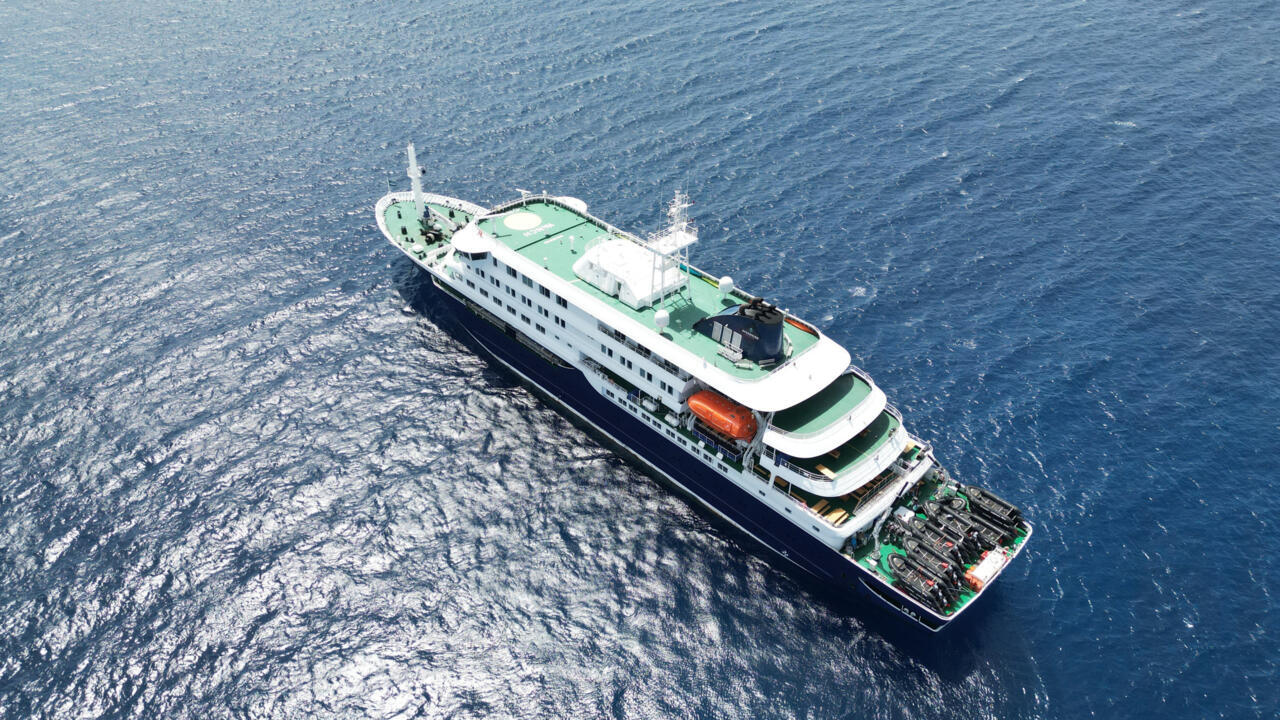
A deadly hantavirus outbreak aboard the MV Hondius has triggered an international passenger-tracing operation spanning multiple countries, placing renewed scrutiny on cruise ship outbreak protocols, cross-border health coordination and the legal responsibilities attached to infectious disease incidents at sea.
Health authorities in at least a dozen countries are now monitoring passengers who dispersed internationally after leaving the vessel, while officials from the World Health Organization and the CDC continue to state that the public health risk remains low.
The incident is nevertheless emerging as a significant operational and regulatory test for international health systems because it highlights how rapidly infectious disease monitoring becomes more difficult once potentially exposed passengers move across jurisdictions, aviation networks and separate national reporting systems.
The outbreak is also exposing a wider governance challenge for cruise operators and public health authorities: maintaining traceability, risk communication and coordinated oversight after passengers disembark before monitoring procedures are fully completed.
Although the current outbreak appears contained, the incident demonstrates how quickly a localized onboard health emergency can evolve into a multinational compliance and coordination issue involving maritime operators, regulators, border agencies and international public health institutions.
That issue now sits at the centre of the response effort after 29 passengers reportedly left the ship on the island of St. Helena before full contact tracing had been completed. Cruise operator Oceanwide Expeditions later confirmed it was still attempting to establish the whereabouts of all passengers who disembarked during that stage of the voyage.
The MV Hondius outbreak involves the Andes strain of hantavirus, one of the few known strains capable of limited person-to-person transmission through close personal contact.
Most hantavirus infections are linked to rodent exposure rather than human transmission, which is one reason health officials continue to emphasize that the outbreak does not currently represent a broad public health threat comparable to airborne diseases such as Covid-19 or influenza.
Even so, the incident has evolved into a significant international coordination challenge involving maritime operators, national health agencies, aviation systems and cross-border tracing procedures.
Passengers from the ship have already returned to several U.S. states, including Arizona, California, Georgia, Texas and Virginia. Other travelers dispersed internationally after leaving the vessel during earlier stages of the journey. Officials say none of the identified U.S. passengers have developed symptoms so far.
How the Outbreak Could Change Expectations for Cruise Operators
The MV Hondius outbreak is likely to intensify regulatory and legal scrutiny around how cruise operators manage infectious disease incidents involving remote voyages, international passenger movement and delayed tracing procedures.
Cruise operators function within a complex framework of maritime law, international health regulations, port authority requirements, passenger safety obligations and contractual duties owed to travelers. Once a suspected infectious disease outbreak develops onboard, those responsibilities can expand rapidly, particularly after passengers begin moving independently across multiple jurisdictions.
One of the central issues likely to attract regulatory attention is whether passengers should have been permitted to disembark before exposure assessments and tracing procedures were fully completed. A related question is whether travelers received sufficiently accurate and timely health information while the situation was still evolving.
Those concerns intensified after some passengers reportedly said they felt inadequately informed during the early stages of the outbreak. A widely circulated video also showed the ship’s captain initially telling passengers the vessel was “not infectious” before the cause of death had been confirmed.
Although the uncertainty surrounding the first fatality may ultimately explain those statements, communication during infectious disease incidents can later become highly significant in regulatory reviews, insurance disputes and potential negligence assessments.
Since the Covid-19 pandemic, regulators and passengers have placed far greater emphasis on outbreak transparency, risk disclosure and procedural accountability aboard internationally operating vessels.
The incident is also likely to increase pressure on expedition-style cruise operators to strengthen onboard containment systems, medical escalation procedures, evacuation planning and infectious disease protocols for voyages operating far from major healthcare infrastructure.
Former ship physician Dr. Martin Kriz noted that meaningful isolation aboard smaller expedition vessels can be extremely difficult because passengers share confined dining areas, lounges and communal facilities over extended periods.
That operational limitation creates additional exposure when illness emerges during remote voyages where immediate evacuation, laboratory testing and external medical support may not be readily available.
The outbreak therefore highlights a broader challenge facing the cruise sector: infectious disease incidents are no longer viewed solely as onboard medical events. They are increasingly treated as governance, compliance and operational resilience issues involving passenger safety, international coordination, disclosure standards and cross-border public health accountability.
The International Coordination Problems Emerging From the Outbreak
The MV Hondius outbreak also demonstrates how quickly infectious disease incidents become more difficult to manage once potentially exposed passengers begin moving across borders independently.
When travelers disperse internationally before tracing procedures are fully completed, public health authorities often depend on airline records, voluntary disclosure, intergovernmental coordination and rapidly evolving health guidance to reconstruct potential exposure chains. Different jurisdictions may simultaneously apply different standards involving quarantine powers, privacy protections, reporting obligations and public health surveillance authority.
That fragmentation can complicate not only tracing efforts but also accountability, because responsibility becomes divided across multiple governments, transport systems and regulatory agencies operating under separate legal frameworks.
The response effort already involves a wide network of international actors, including the World Health Organization, the CDC, Dutch health authorities, South African medical services and Spanish officials in the Canary Islands, where the vessel is expected to arrive. The United States is also preparing to evacuate the remaining American passengers still aboard the ship.
At the same time, Argentine authorities have reportedly launched rodent-trapping and diagnostic testing programs in Ushuaia, where the voyage originated, as investigators continue attempting to determine the source of the outbreak.
The incident highlights a broader operational challenge facing international health systems: infectious disease monitoring becomes substantially more complex once passengers disperse across aviation networks and multiple jurisdictions before exposure assessments are fully resolved.
In practice, tracing systems often depend on rapid information sharing between governments, transport operators and health agencies that may operate under different legal standards, disclosure rules and reporting timelines.
Although officials continue to state that the public risk remains low, the outbreak demonstrates how quickly a localized onboard medical event can evolve into a multinational coordination issue involving border management, health surveillance, passenger tracing and cross-border regulatory cooperation.
Why the Outbreak Could Change How Cruise Ships Handle Health Risks
The longer-term impact of the MV Hondius outbreak may extend well beyond the immediate public health response.
Since the Covid-19 pandemic, regulators, passengers and insurers have placed far greater emphasis on infectious disease transparency, passenger tracing, onboard containment procedures and operational preparedness across the travel sector. Incidents involving delayed tracing, fragmented communication or uncertain exposure monitoring now attract substantially higher scrutiny than they likely would have before 2020.
The outbreak also highlights the growing operational challenges associated with expedition-style cruises operating in remote regions where evacuation infrastructure, laboratory testing capacity and specialist medical support may be limited for extended periods.
That business model creates additional exposure when serious illness emerges at sea because operators may face delays involving diagnosis, evacuation, onboard isolation and international coordination while passengers continue traveling across jurisdictions.
Although human hantavirus infections remain extremely rare and officials continue to state that the current outbreak appears contained, the MV Hondius incident demonstrates how quickly a localized onboard medical event can escalate into a wider regulatory and compliance issue involving passenger safety obligations, cross-border tracing systems, disclosure standards and international public health coordination.
The outbreak may therefore become more significant for the operational and governance questions it raises than for the virus itself. Regulators and cruise operators are likely to face renewed pressure to examine how infectious disease incidents are managed aboard internationally operating vessels, particularly where remote travel routes, delayed tracing procedures and multinational passenger movement create additional coordination challenges.
The incident also reflects a broader shift within the travel sector: infectious disease response is increasingly treated not only as a medical issue, but as a governance, compliance and operational resilience issue with implications for insurers, regulators, transport operators and international health authorities.