
The lawsuit between Dua Lipa and Samsung is about far more than a photo on a television box. At the centre of the case is a growing problem for major brands: companies are using recognisable faces across packaging, online retail and digital marketing faster than legal safeguards are keeping up.
Dua Lipa claims Samsung used her image on TV packaging without permission and benefited from the impression she endorsed the products. If courts start taking a harder line on those kinds of claims, the financial risks could stretch far beyond celebrity advertising deals.
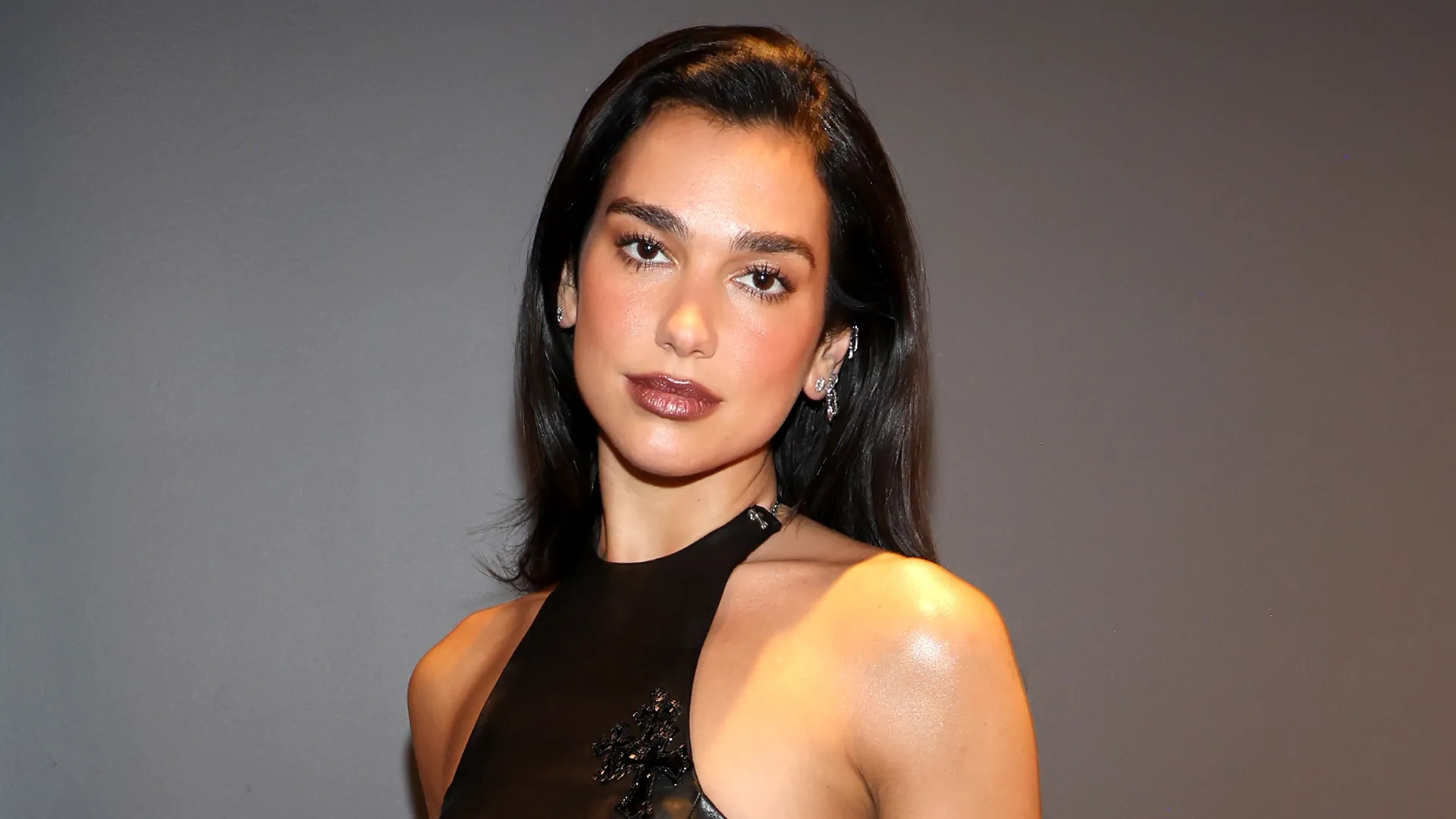
According to the complaint filed in California federal court, Samsung allegedly used a backstage image of Dua Lipa on packaging for televisions sold across the United States during 2025.
Her legal team says the image gave consumers the impression she was connected to or endorsing the products despite no licensing agreement existing between the singer and the company. The lawsuit seeks $15 million in damages along with profits allegedly linked to the use of the photograph. It also accuses Samsung of continuing to use the image after being asked to stop.
Celebrity identity is now one of the most valuable tools in advertising. Companies pay enormous amounts for endorsements because recognisable faces grab attention immediately and can influence buying decisions within seconds. A singer, actor or athlete does not need to appear in a traditional advert for that effect to work.
A photograph on product packaging can still shape how consumers view a brand, especially online where images spread quickly across social media, ecommerce sites and review platforms. For companies, that kind of visibility carries obvious commercial value. It can also create legal problems very quickly if consumers start believing a celebrity is connected to a product without permission ever being given.
Packaging itself has also changed. It is no longer just something wrapped around a product sitting on a shop shelf. In many industries, packaging now works like advertising. Consumers photograph products, upload them online and share them across platforms constantly. A design printed on a retail box can end up reaching millions of people online without the company ever launching a traditional advertising campaign.
That argument runs through much of the lawsuit. Her lawyers claim Samsung benefited commercially from the idea that she was associated with the televisions, pointing to online reactions included in the complaint from consumers who allegedly said they were more interested in the TVs because her image appeared on the packaging.
These disputes are no longer only about direct advertising claims. Companies do not always need to explicitly claim a celebrity partnership for consumers to assume some kind of relationship exists. In many situations, visual association alone can influence perception. Courts have become more interested in how ordinary consumers interpret branding rather than only examining formal advertising language.
The dispute also shows how quickly image-rights issues are becoming mainstream business risks rather than niche entertainment-law disputes. Most people have a basic understanding of copyright law, but fewer know much about the “right of publicity,” which generally stops companies from commercially using someone’s identity, likeness or image without permission.
Image rights have become much more important because online visibility is now big business. Celebrities are not the only people making money from public recognition anymore. Influencers, athletes, YouTubers and online creators often depend on their image and audience to secure sponsorships, partnerships and advertising deals. In many cases, the public identity itself is what companies are paying for. That is why disputes over photographs, branding and commercial association are becoming far more valuable — and far more aggressive — than they once were.
The money involved in these disputes is now far bigger than it used to be. An unauthorised image can potentially affect sponsorship deals, future licensing agreements and wider brand reputation. Dua Lipa’s legal team argues she has carefully limited partnerships in order to maintain a premium public image, meaning unauthorised commercial association could damage the value of future endorsement opportunities.
The timing is difficult for large companies because advertising systems are becoming more automated. AI-generated campaigns, ecommerce tools and large-scale digital marketing systems now produce enormous amounts of content very quickly. Images often move between agencies, retailers, distributors and online marketplaces at a pace that makes oversight harder than it once was.
Lawyers working in entertainment and intellectual property have spent months warning that image rights could become one of the major commercial legal battles connected to AI-era advertising. Although the Dua Lipa lawsuit is not directly about artificial intelligence, it arrives while companies are already facing growing pressure over how visual material is sourced and used in commercial campaigns.
That is partly why the case could become more important than it first appears. If courts begin taking a stricter view of implied endorsement disputes, companies may need tighter approval systems for visual marketing materials involving recognisable public figures. That pressure would not only affect celebrity campaigns. Retailers, ecommerce businesses, advertising agencies and technology companies all rely heavily on visual branding to attract attention and drive sales.
One of the more interesting parts of the lawsuit is its focus on consumer reaction. The complaint includes examples of online users allegedly saying they became interested in the televisions because Dua Lipa appeared on the packaging. That could matter because modern advertising increasingly depends on suggestion and association rather than direct promotional claims.
Consumers are used to seeing celebrities linked to products online. Influencer culture, sponsorship deals and branded partnerships dominate social media platforms. Because of that, people often assume recognisable public figures appearing beside products are connected commercially in some way. Companies may find it harder to argue that celebrity imagery carries no marketing influence when consumer behaviour increasingly suggests otherwise.
The stronger the evidence becomes that visual celebrity association affects buying decisions, the harder it may become for companies to dismiss image-rights disputes as minor technical disagreements. Courts are paying more attention to how branding works in reality rather than focusing only on whether formal endorsement language appeared in an advertisement.
This is no longer just a celebrity problem. Personal image has become commercially valuable across much of the internet economy. Small creators, influencers, entrepreneurs and professionals increasingly depend on public visibility to generate income online. Disputes involving likeness, branding and commercial association are therefore likely to become more common as digital marketing continues expanding.
Companies are now using celebrity imagery across packaging, ecommerce and digital marketing at enormous scale while the legal rules around image rights are still catching up. AI-generated campaigns and automated design systems are only making that problem bigger. A photograph can now spread across online marketplaces, retail listings and social media within hours, and if consumers start believing a celebrity is connected to a product without permission, the legal and financial fallout can become expensive very quickly.