
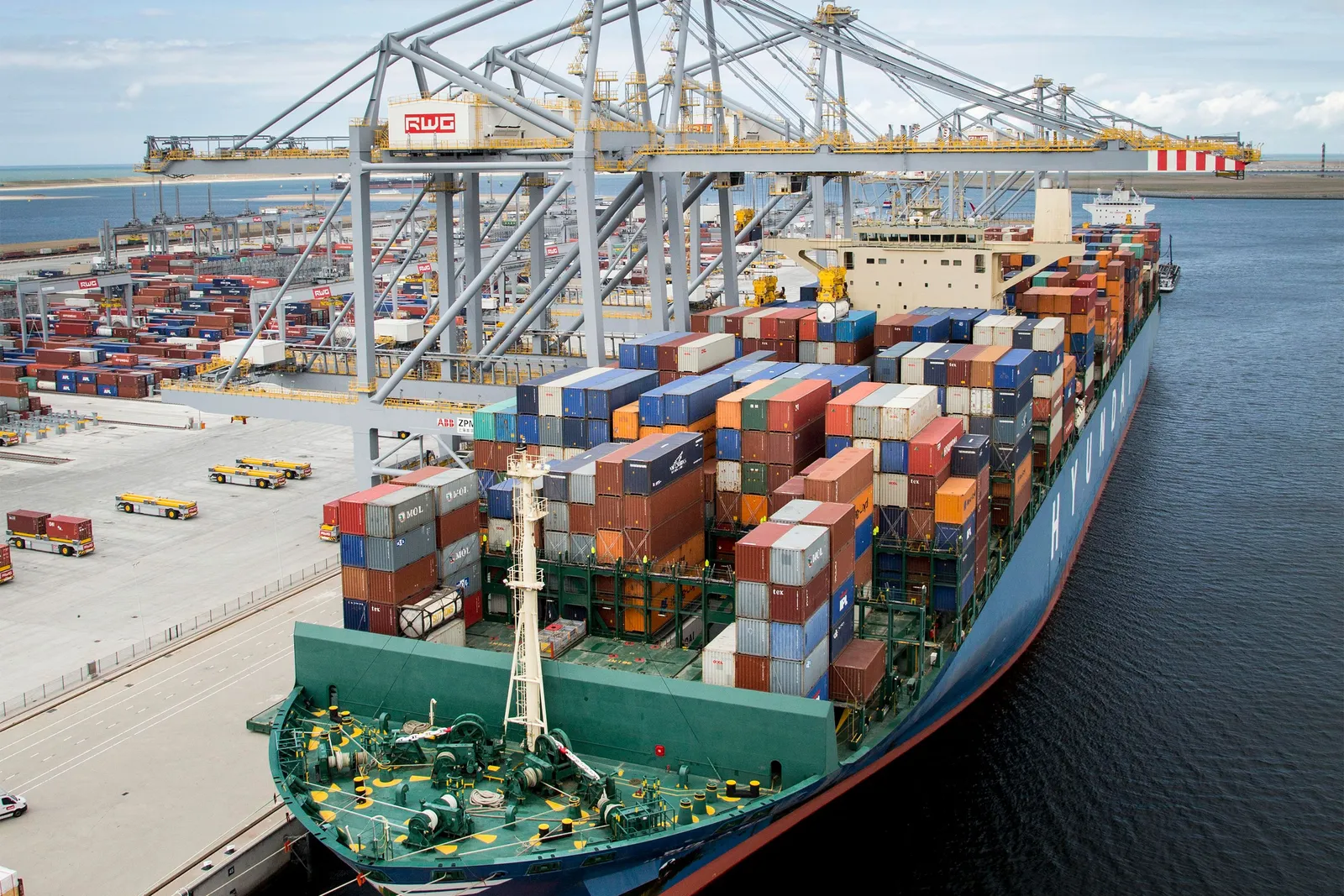
The EU–Mercosur trade deal, provisionally applied from 1 May 2026 under the EU–Mercosur Interim Trade Agreement framework, introduces immediate tariff reductions, expanded access to public procurement markets, and new regulatory requirements governing the movement of goods and services between the European Union and Mercosur countries, including Argentina, Brazil, Paraguay, and Uruguay.
The agreement operates as an active legal framework from the point of application, meaning that the conditions under which cross-border transactions are priced, documented, and executed have changed with immediate effect rather than through phased transition.
The central legal issue is whether businesses engaged in EU–Mercosur trade have ensured that their contractual structures, pricing mechanisms, customs processes, and product compliance systems align with the obligations now in force.
From 1 May 2026, companies trading goods covered by the agreement should apply the relevant revised tariff schedules, ensure the accuracy of customs declarations and classifications, and comply with applicable regulatory standards governing labelling, conformity assessment, and market access.
These requirements apply irrespective of when underlying commercial agreements were negotiated, creating immediate exposure where legacy arrangements are based on outdated tariff assumptions or regulatory conditions.
Unlike trade changes that are phased in over longer periods, the EU–Mercosur framework requires immediate operational alignment in practice. Businesses must therefore ensure that operational, legal, and commercial functions are aligned at the point of implementation.
Failure to do so may result in contractual disputes relating to pricing and performance, customs non-compliance leading to delays or penalties, regulatory enforcement affecting market access, and exclusion from procurement opportunities now opened under the agreement.
The legal and financial consequences arise not from future developments, but from the immediate application of the framework, requiring proactive and coordinated compliance from affected organisations.
Applicable Legal Framework, Key Changes and Compliance Obligations
The changes arise under the EU–Mercosur Interim Trade Agreement, which is being provisionally applied following authorisation by the European Council and corresponding procedural steps within Mercosur jurisdictions.
The agreement establishes binding obligations governing tariff reductions, market access, public procurement participation, and regulatory cooperation between the European Union and Mercosur countries. Its provisions operate alongside established international trade principles, including customs classification requirements, non-discrimination standards, and regulatory alignment measures designed to reduce technical barriers to trade.
The framework also provides for the protection of Geographical Indications, granting enforceable rights to designated EU-origin products within Mercosur markets and restricting the use of protected names by non-compliant goods.
Although provisional in legal status, the agreement’s core provisions are legally operative under provisional application and apply in practice to businesses engaged in relevant trade activity, with compliance assessed through applicable customs, procurement, and sector-specific regulatory frameworks.
From 1 May 2026, the agreement introduces immediate tariff reductions across a wide range of industrial and agri-food products, altering the economic and legal basis on which cross-border transactions are structured. These changes directly affect sectors such as automotive manufacturing, pharmaceuticals, and agricultural exports, where duty levels have historically influenced pricing, supply chain decisions, and contractual allocation of cost.
At the same time, EU companies gain the right to participate in public procurement processes across Mercosur countries on terms equivalent to domestic suppliers, removing structural barriers to entry while subjecting participants to local legal and procedural requirements governing transparency, eligibility, and contract award.
In parallel, provisions addressing non-tariff barriers take effect, including requirements relating to product labelling, conformity assessment, and technical standards, which are designed to facilitate trade but also impose immediate compliance obligations that must be met before goods are placed on the market or services delivered.
Businesses operating within the scope of the agreement must ensure that their legal, commercial, and operational structures are aligned with the framework now in force. Contracts entered into prior to 1 May 2026 must be reviewed to confirm that pricing provisions accurately reflect revised tariff levels, particularly where agreements were negotiated on the basis of pre-existing duty structures.
Where contractual mechanisms do not accommodate these changes, businesses must determine whether adjustment is contractually permitted or whether renegotiation is required to avoid commercial imbalance or dispute. Customs procedures must be updated to ensure that declarations, classifications, origin determinations, and valuation methods correspond to the applicable tariff schedule and regulatory requirements, as inaccuracies may result in delays, penalties, or possible border delays or regulatory consequences.
Product labelling and conformity assessment processes must also be verified to ensure compliance with recognised standards, particularly in sectors subject to technical, safety, or consumer protection controls. Businesses seeking to access procurement opportunities must ensure full compliance with the legal and procedural rules governing public tenders in Mercosur jurisdictions, including documentation requirements, transparency obligations, and administrative processes that may differ from those applicable within the European Union.
Liability, Operational Impact and Regulatory Considerations
The primary legal risk arising from the EU–Mercosur framework is the potential for misalignment between existing business practices and the legal conditions now in force under the EU–Mercosur Interim Trade Agreement.
Where contractual terms do not reflect revised tariff structures, disputes may arise concerning pricing, margin allocation, and performance obligations, particularly in agreements negotiated prior to 1 May 2026. Inaccurate customs declarations, misclassification of goods, or incorrect origin determinations may expose businesses to enforcement action by customs authorities, including financial penalties, shipment delays, checks or review by relevant authorities, and restrictions on the movement or release of goods.
Non-compliance with product labelling, technical standards, or conformity requirements may result in goods being rejected or subjected to heightened regulatory scrutiny, while participation in procurement processes without full adherence to applicable legal and procedural rules may lead to exclusion, challenge, or disqualification. These risks arise directly from the application of the agreement and must be treated as immediate and enforceable obligations.
Organisations engaged in EU–Mercosur trade must implement and maintain coordinated alignment across legal, compliance, and commercial functions to ensure effective and ongoing compliance. Legal teams must ensure that contractual frameworks incorporate revised tariff conditions and include mechanisms capable of responding to further regulatory developments.
Compliance teams must implement and maintain customs and regulatory processes that ensure accurate classification, origin determination, valuation, and documentation, recognising that these areas are subject to audit and enforcement by relevant authorities. Product compliance systems must ensure that labelling, certification, and technical requirements are satisfied before goods are placed on the market.
Commercial teams must reassess and continuously monitor pricing strategies to reflect tariff reductions while maintaining consistency with contractual obligations and market positioning. A failure to integrate these functions increases the risk of inconsistent implementation, exposing the organisation to regulatory enforcement, financial loss, and contractual dispute.
The provisional application of the agreement reflects a broader regulatory trend towards the immediate implementation of trade frameworks, reducing the time available for businesses to adapt to new legal conditions and increasing the expectation of real-time compliance.
This places a heightened emphasis on internal governance, compliance controls, and continuous monitoring of regulatory developments across relevant jurisdictions. Although further ratification processes will determine the long-term legal status of the agreement, its current provisions are fully operative and must be treated as binding in practice.
Businesses must therefore implement ongoing review and oversight mechanisms to ensure sustained compliance as the framework evolves, recognising that legal and financial exposure arises not only at the point of implementation but throughout the lifecycle of the agreement.
Implementation Status and Ongoing Compliance Obligations
The EU–Mercosur trade agreement is currently being applied on a provisional basis following a decision by the European Council and subsequent implementation by the European Commission.
While further ratifications within Mercosur countries will determine its long-term legal status, this does not affect the immediate applicability of its core provisions, which are fully in force and operational from 1 May 2026.
Businesses must therefore proceed on the basis that the framework is legally effective and enforceable, while maintaining readiness to respond to refinements arising from the ongoing ratification process and future regulatory developments within both EU and Mercosur jurisdictions.
In this context, the agreement introduces immediate and substantive changes to the legal conditions governing trade between the European Union and Mercosur countries, requiring organisations to implement, maintain, and continuously monitor alignment across contracts, pricing models, customs procedures, and regulatory compliance systems.
Compliance is not a one-time adjustment but an ongoing obligation, requiring coordinated governance across legal, compliance, and commercial functions. Businesses must ensure that contractual frameworks reflect current tariff conditions, that customs processes support accurate classification, origin determination, and valuation, and that product standards, labelling, and certification requirements are satisfied prior to market entry.
The central compliance priority is therefore the establishment of effective internal controls capable of supporting real-time compliance and audit readiness. Regulatory oversight by customs authorities, procurement bodies, and sector-specific regulators means that failures in implementation may result in enforcement action, financial penalties, operational disruption, or loss of market access.
The principal risk does not arise from the agreement itself, but from a failure to implement and sustain compliance with its obligations at the point of application and throughout the lifecycle of the framework as it continues to evolve.