
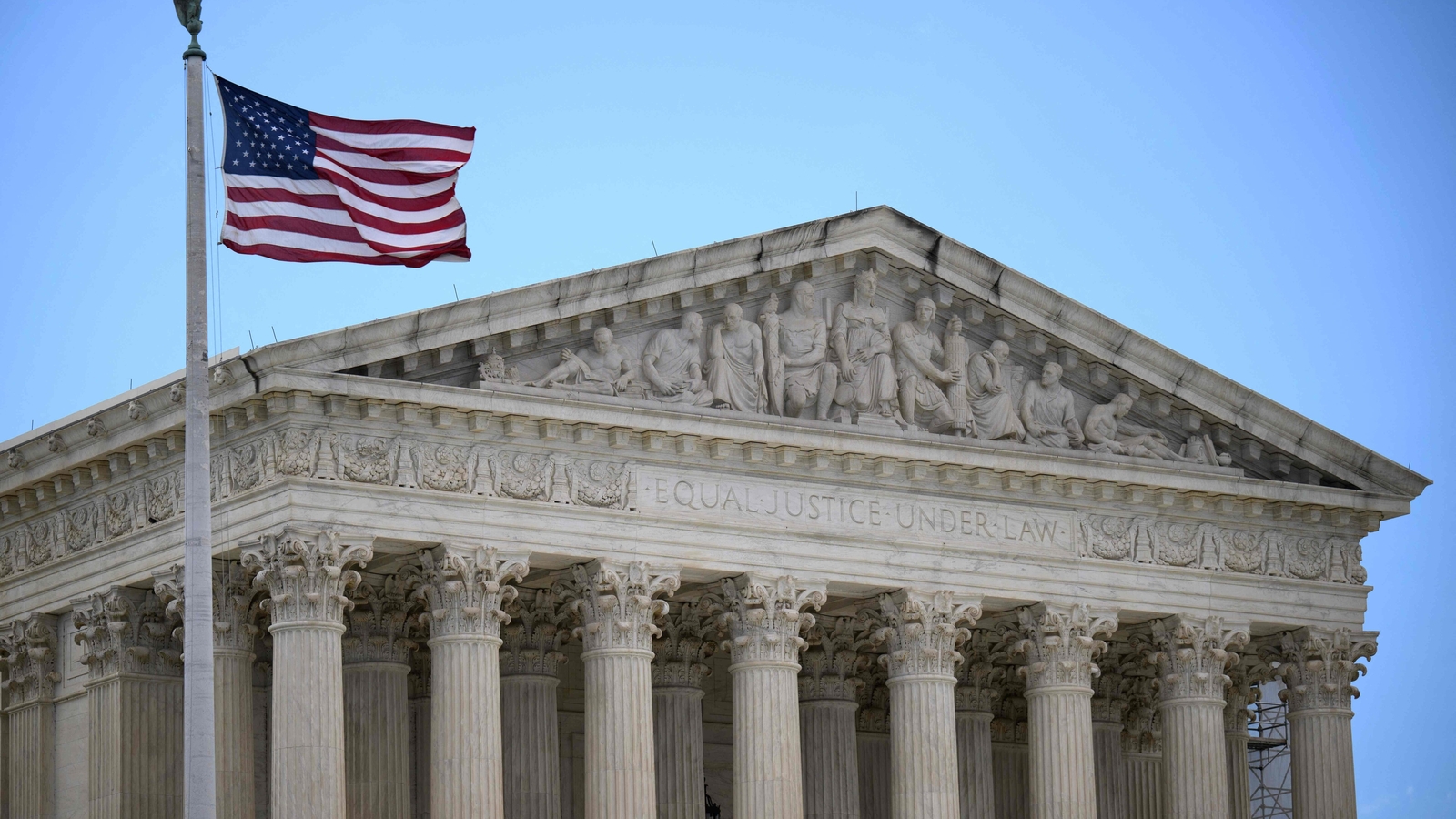
Federal employees face higher barriers when challenging workplace policies in court after the Supreme Court of the United States ruled that disputes covered by the Civil Service Reform Act (CSRA) must remain within established administrative review systems and that appellate courts cannot expand cases beyond the arguments raised by the parties.
In Margolin v. National Association of Immigration Judges, the Court reversed the Fourth Circuit after the appellate panel attempted to reopen broader constitutional concerns surrounding the CSRA and the functioning of the federal administrative review system.
Covered workplace disputes may now have to go through the government’s administrative review system first, making it harder for federal employees to take challenges directly into federal court.
Immigration Judges’ Speech Policy Challenge
The case grew out of a 2021 policy introduced by the Executive Office for Immigration Review requiring immigration judges to obtain supervisory approval before giving public speeches connected to their official duties. The agency said the rule was designed to ensure statements carrying the possible “imprimatur” of the Office remained aligned with official positions.
The National Association of Immigration Judges challenged the policy in federal district court, arguing it violated members’ First and Fifth Amendment rights.
Government lawyers responded that the claims belonged inside the administrative review system created under the Civil Service Reform Act, which routes many federal workplace disputes through the Merit Systems Protection Board and the Office of Special Counsel before they can reach the courts.
Both the district court and the Fourth Circuit agreed the claims fell within the CSRA framework. The dispute reached the Supreme Court after the Fourth Circuit nevertheless ordered further fact-finding into whether recent disputes involving MSPB independence and presidential removal authority had weakened the review structure Congress created.
Where Procedural Exposure Begins
Federal employment disputes become materially harder to pursue in district court once they are classified as “covered” CSRA claims because procedural control shifts into the administrative review structure. The ruling reinforces that constitutional arguments alone may not permit litigants to bypass statutory review systems. For agencies, unions, and employment counsel, jurisdictional classification now carries immediate strategic consequences for forum selection and dismissal exposure.
Why the Fourth Circuit Was Reversed
The Supreme Court focused less on the immigration judges’ speech claims and more on how the Fourth Circuit handled the case.
According to the Court, the appellate panel crossed the line by building its decision around a broader legal theory that neither side had argued. The dispute before the courts had been relatively narrow: whether the immigration judges’ claims belonged inside the CSRA review system.
The Fourth Circuit went further. It raised its own concerns about whether disputes involving MSPB independence and presidential removal authority had weakened the administrative structure Congress created.
The Supreme Court rejected that move outright, warning that federal courts are not “roving commissions” free to pursue legal theories the parties themselves never raised.
That part of the ruling may carry wider significance for federal employment disputes and future attempts to work around administrative review systems.
CSRA Issues Before the Court
At the centre of the dispute was the Supreme Court’s long-standing view that many federal workplace claims belong inside the Civil Service Reform Act review system rather than federal district court.
The Court pointed back to earlier decisions including United States v. Fausto and Elgin v. Department of Treasury, both of which treated the CSRA as the route Congress intended for covered employment disputes.
Justice Clarence Thomas, writing separately with Justice Amy Coney Barrett joining him, argued the Fourth Circuit had gone beyond procedural error and misread the law itself.
Thomas rejected the idea that political disputes surrounding agency independence or presidential removal powers could change how the statute operates. Congress had not changed the law, he wrote, and lower courts could not reshape the review structure around current political tensions.
That part of the opinion could resurface in future fights over agency independence, administrative review systems, and attempts to move federal employment disputes outside the channels Congress originally created.
How Exposure Escalates
Exposure increases when litigants attempt to reframe covered employment disputes as broader constitutional challenges in order to avoid administrative review systems. The Supreme Court’s intervention narrows opportunities for lower courts to reopen established jurisdictional frameworks based on political or institutional concerns. Plaintiffs attempting to bypass administrative exhaustion requirements may now face stronger procedural challenges earlier in litigation.
What Changes After the Ruling
Operational pressure begins once a federal workplace dispute falls inside a statutory review framework already recognised by Supreme Court precedent. At that point, the dispute stops being simply about constitutional rights and becomes a question of whether Congress has already designated an exclusive route for review.
Agencies defending workplace policies covered by the CSRA may now have stronger grounds to argue that disputes belong inside the government’s administrative review process before they reach federal court. Lawyers handling these cases are also likely to push jurisdictional challenges earlier, particularly where employees attempt to move constitutional claims directly into district court.
Federal employers may now face greater pressure to keep internal review procedures properly documented and closely aligned with the statutory process Congress created. The Supreme Court likewise delivered a direct warning to appellate judges against building cases around legal theories the parties themselves never argued.
The Supreme Court’s criticism of the Fourth Circuit may also place additional pressure on appellate judges to stay closer to the arguments actually raised by the parties rather than expanding disputes into broader institutional debates.
Action Threshold
Legal exposure becomes operational once litigants attempt to bypass administrative review systems through constitutional framing while lower courts move beyond the issues actually presented by the parties. The ruling indicates the Supreme Court is prepared to scrutinise both jurisdictional theories and judicial departures from party-presentation principles. Organisations managing federal employment disputes may therefore encounter stronger procedural enforcement at earlier stages of litigation.
Beyond the Immigration Judge Dispute
Although the case began with a policy governing immigration judges’ public speeches, the ruling reaches into a much wider debate over how federal workplace disputes move through the courts.
The decision arrives amid continuing disputes involving agency authority, executive removal powers, administrative adjudication, and judicial oversight of federal employment systems.
Rather than reopening those constitutional tensions directly, the Court kept the focus on procedural rules and the review structure Congress originally created.
That approach signals reluctance to let lower courts reshape administrative systems through broader constitutional reinterpretation unless those arguments are properly presented and litigated.
Administrative law practitioners are likely to read the ruling as reinforcing the durability of
Broader Precedent Signal
The ruling strengthens the Supreme Court’s continuing preference for procedural discipline, statutory review exclusivity, and restrained appellate intervention. Lower courts may face greater resistance when attempting to expand disputes into wider constitutional or political debates not squarely argued by the parties themselves. Federal employment litigation, administrative law disputes, and agency-governance challenges are likely to encounter tighter procedural boundaries as a result.
The Case Returns to the Lower Courts
The case now returns for further proceedings consistent with the Supreme Court’s opinion.
The Court did not resolve the underlying constitutional merits of the immigration judges’ speech challenge. Instead, it narrowed the dispute back to the procedural framework originally argued by the parties.
The longer-term importance of the decision may ultimately rest less on immigration judge speech rights and more on the Court’s broader effort to reinforce administrative exhaustion requirements, statutory review exclusivity, procedural discipline in appellate courts, and limits on judicial expansion of litigation theories.
The ruling tightens the procedural boundaries around attempts to move those disputes directly into district court, particularly where employees try to bypass existing administrative review channels.