
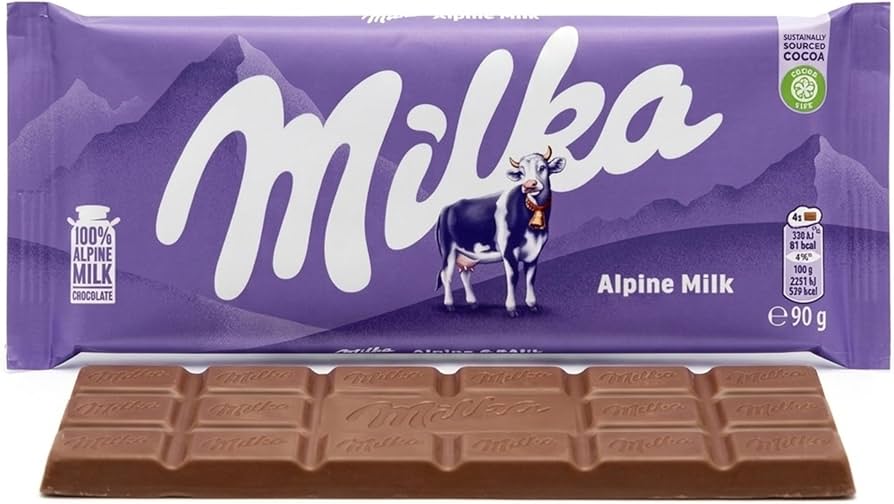
Can companies shrink products without clearly warning consumers? A German court has ruled that the maker of Milka misled shoppers after reducing its Alpenmilch chocolate bar from 100g to 90g while keeping near-identical purple packaging.
Consumers may end up paying more for less without immediately noticing, especially when packaging looks almost identical to the version they have bought before. The ruling also puts more attention on how companies communicate product reductions to shoppers at the point of purchase, rather than through separate website notices or marketing material.
The Bremen regional court concluded that the problem was not simply the smaller bar itself, but the gap between what shoppers visually expected and what they actually received.
Milka’s Alpenmilch bar was reduced from 100g to 90g while retaining packaging consumers had associated with the product for years. At the same time, the reported price increased from €1.49 to €1.99.
The court found that the overall presentation created a misleading impression because the product visually appeared substantially unchanged while containing less chocolate. Judges said the issue could only have been avoided with a clear, understandable, and easily noticeable warning on the wrapper itself.
The ruling is not yet legally binding because Mondelēz International still has the right to appeal.
Consumer Packaging, Shrinkflation, and the Wider Significance of the Milka Ruling
The ruling is significant because it focuses on how consumers actually buy products in supermarkets rather than simply whether the correct weight appeared somewhere on the packaging.
Manufacturers across food, household, and consumer goods sectors have increasingly responded to rising production and ingredient costs by reducing product size instead of making larger price increases. In many cases, the packaging and branding remain largely unchanged even though the quantity inside has been reduced.
The Bremen regional court indicated that the key issue was the overall impression created by the product. The case suggests courts may look beyond technical weight disclosures and consider whether shoppers could reasonably recognise that a familiar product had changed before purchasing it.
Most consumers do not compare product weights every time they shop. Purchasing decisions are often made quickly using familiar packaging, shelf position, colours, and branding recognised from earlier purchases.
The issue therefore was not simply that the chocolate bar became smaller. Businesses are generally free to alter product weights, dimensions, and pricing. The court’s concern was whether the packaging continued creating the impression that consumers were buying the same product they had known for years despite the reduction in quantity.
In this case, Mondelēz International argued that consumers had been informed about the change through social media, its website, and the packaging itself. The court nevertheless concluded that a clearer and more noticeable warning on the wrapper was required.
The ruling may place greater attention on how shrinkflation changes are communicated directly to consumers at the point of purchase, particularly where packaging remains visually familiar.
What Could Go Wrong for Consumers and Manufacturers?
The practical concern for consumers is that familiar packaging can make a product look unchanged even when the quantity inside has been reduced.
A chocolate bar may appear almost identical to the version shoppers bought previously, while the weight, thickness, or overall value has changed. Many consumers may only notice the difference after purchase when comparing receipts, checking the weight more closely, or placing older and newer products side by side.
At that stage, the issue is no longer whether a company was allowed to change the product. The question becomes whether shoppers were given a fair opportunity to recognise the change before deciding to buy it.
The financial impact is not limited to the missing 10g of chocolate itself. The wider concern is that consumers may believe they are buying the same product from the same shelf position and familiar packaging while effectively paying more for less.
The reputational consequences can also become significant once consumers believe changes were hidden rather than communicated clearly.
In Germany, consumers voted the Milka Alpenmilch bar “rip-off packaging of the year 2025,” turning the dispute into a broader debate about transparency and consumer trust rather than simply the size of a chocolate bar.
For manufacturers, the commercial challenge is balancing familiar branding with clearer disclosure. Companies may want to preserve packaging consumers already recognise, but doing so can create greater scrutiny if shoppers later argue that quantity reductions were difficult to notice.
The Bremen regional court focused heavily on the “visually conveyed expectation” created by packaging consumers had known for years. That suggests future disputes may depend less on whether the correct weight technically appeared on the packaging and more on whether the overall presentation gave consumers a realistic chance of spotting the change before purchase.
Potential Impact of the Milka Shrinkflation Decision
The ruling is not yet final because Mondelēz International still has the right to appeal within one month.
If the decision is upheld, the case may be referenced in future disputes involving shrinkflation and product packaging.
Consumer groups in Germany have already raised similar complaints involving toothpaste, oats, instant coffee, and other household products where packaging stayed familiar even though the quantity inside had been reduced.
The dispute also centres on whether consumers can reasonably tell that a familiar product has changed before putting it in their basket.
People Also Ask
Is shrinkflation illegal?
Shrinkflation itself is not automatically illegal. Problems may arise if packaging or marketing gives shoppers a misleading impression about the quantity or value of a product.
What did the German court say about Milka shrinkflation?
The Bremen regional court ruled that consumers were misled because Milka’s packaging continued creating the impression that the chocolate bar remained unchanged despite the reduced weight.
Can companies reduce product sizes without changing the packaging?
Yes, but the Milka ruling suggests companies may face consumer complaints or legal challenges if shoppers are not given a clear enough indication that the product has changed.
Why did Milka reduce the size of its chocolate bars?
Mondelēz said rising costs within its supply chain contributed to the decision to reduce the weight of several Milka chocolate bars.
Could shrinkflation cases happen outside Germany?
Consumer groups in several countries, including the UK, have criticised shrinkflation practices, particularly where packaging remains visually similar despite quantity reductions.