
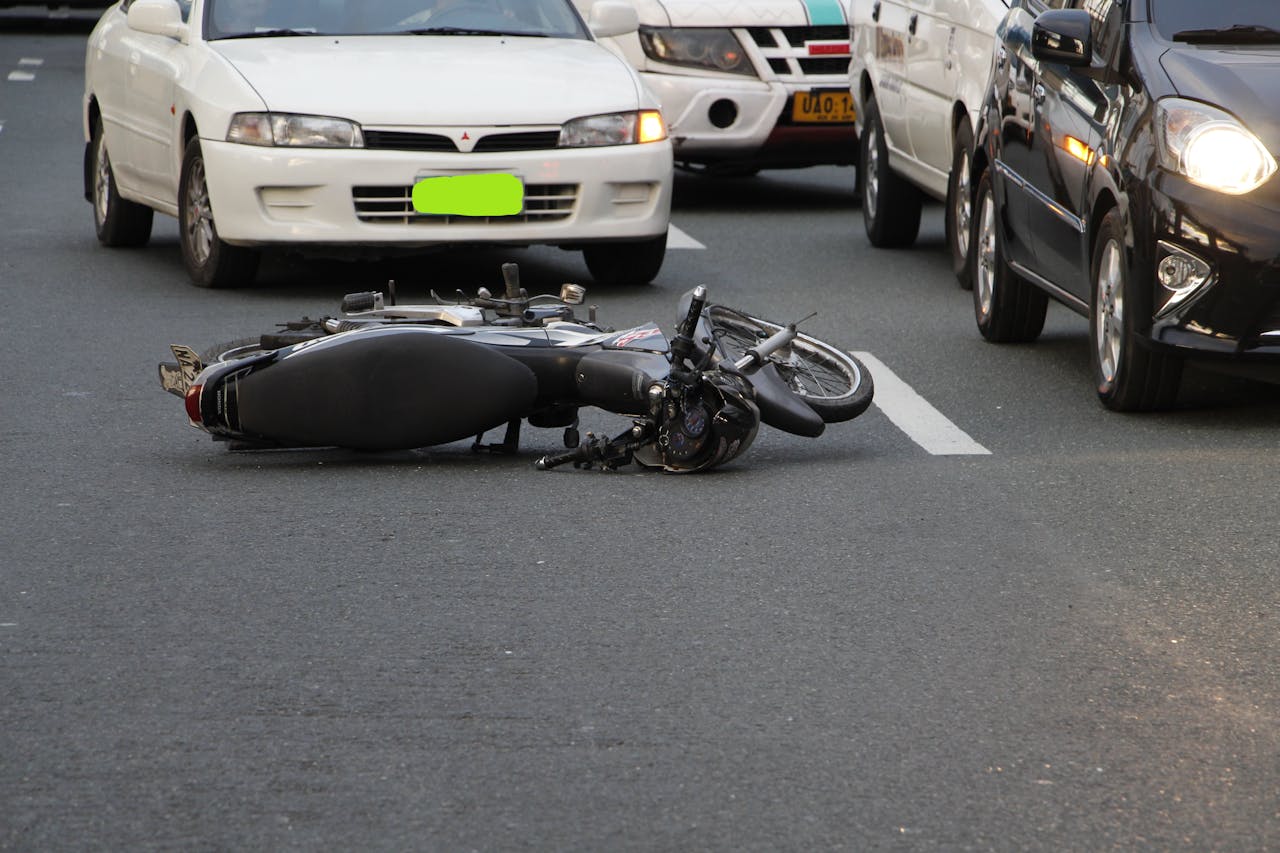
Intersections are where a significant share of motorcycle crashes happen, and California’s roads present a particular set of conditions that make those locations more dangerous for riders than for drivers of larger vehicles. The combination of sightline problems, road geometry, and traffic behavior creates a pattern of collisions that follows predictable logic. Understanding that logic matters whether you are a rider, someone sharing the road with riders, or someone sorting through the aftermath of a crash.
Why Motorcycles Disappear from Drivers’ View
Research from the California Office of Traffic Safety has consistently shown that “failure to see” the motorcycle is a leading factor in intersection crashes involving other vehicles. When drivers approach or sit at an intersection, their visual system is calibrated to detect objects the size of cars and trucks, and a motorcycle’s narrow profile often fails to register as a hazard. Studies on California motorcycle intersection risks have documented how this attentional failure occurs even when a motorcycle is technically within a driver’s line of sight.
The issue is compounded at intersections with physical obstructions: utility poles, parked delivery vehicles, landscaping, and the A-pillars of the driver’s own vehicle all reduce visible area. Left-turn collisions, where an oncoming motorcycle is struck by a turning driver, are among the most common crash types in California. In many of those cases, the driver reports not seeing the motorcycle before the collision.
How Road Design Contributes to the Problem
California’s road infrastructure was largely built during an era when motorcycles represented a smaller share of traffic, and many intersections were designed with car-to-car visibility in mind. Wide multi-lane intersections with complex signal phasing create longer exposure windows for riders crossing through. Unprotected left-turn lanes place motorcycles in the path of oncoming traffic without dedicated signal phases in many locations.
Poorly timed signals, faded lane markings, and inconsistent signage add another layer of difficulty. Some older intersections in California also have pavement transitions or surface defects at the point where a rider must slow, stop, or lean, conditions that affect stability in ways that don’t affect four-wheeled vehicles the same way. The California Department of Transportation has identified road surface maintenance as a contributing factor in motorcycle crash data compiled across multiple years.
California Traffic Law and Intersection Rules for Riders
California Vehicle Code Section 21802 requires drivers approaching a stop sign to yield to vehicles already in or lawfully entering the intersection. When a motorcycle enters an intersection with the right of way, a driver who fails to yield can be found at fault under this provision. The same principle applies at signalized intersections when a driver runs a red light or makes an unsignaled turn into a rider’s path.
California also permits lane splitting under Vehicle Code Section 21658.1, which was codified in 2016. Lane splitting near intersections introduces its own set of considerations, and the California Highway Patrol’s guidelines note that lane splitting at higher speed differentials increases risk. If a lane-splitting rider is involved in an intersection crash, fault analysis will take into account whether the rider was operating within what courts and insurers treat as reasonable speed differential ranges.
Comparative Fault in Motorcycle Intersection Crashes
California’s pure comparative fault rule, established through case law and reflected in Civil Jury Instructions (CACI No. 405), allows an injured rider to recover damages even when they bear some share of responsibility for a crash. A rider found 25 percent at fault, for example, would have their total compensation reduced by that percentage. This framework applies regardless of how the fault is divided.
Insurance adjusters frequently use a rider’s speed, lane position, or visibility gear to argue for a higher fault allocation. California courts have addressed these arguments in various contexts, and juries are instructed to weigh all evidence without presuming either party’s negligence. Comparative fault determinations in motorcycle cases often turn on physical evidence, traffic signal data, and witness accounts collected at the scene.
What Evidence Shapes These Cases
In intersection crash cases involving motorcycles, the physical evidence gathered immediately after the collision tends to carry the most weight. Skid marks, point-of-impact measurements, signal timing records, and surveillance footage can establish which vehicle had the right of way and how each party was moving before contact. California courts allow this evidence in both the liability and damages phases of a trial.
Medical records documenting the nature and progression of injuries are equally central to the damages calculation. California allows injured plaintiffs to pursue economic damages covering medical expenses and lost income, as well as non-economic damages for pain, suffering, and loss of enjoyment of life under Civil Code Section 3333. Building a complete evidentiary record from the earliest possible point protects your ability to support both categories of recovery.
What Riders and Road Users Should Know Going Forward
Intersection crashes involving motorcycles in California follow patterns shaped as much by infrastructure and visual perception as by individual driver behavior. Negligence laws in California provide the legal framework for addressing those crashes, with fault allocation, evidentiary standards, and available damages governed by specific statutes and court rules. Knowing where those rules stand gives anyone affected by such a crash a factual basis for understanding their options.