
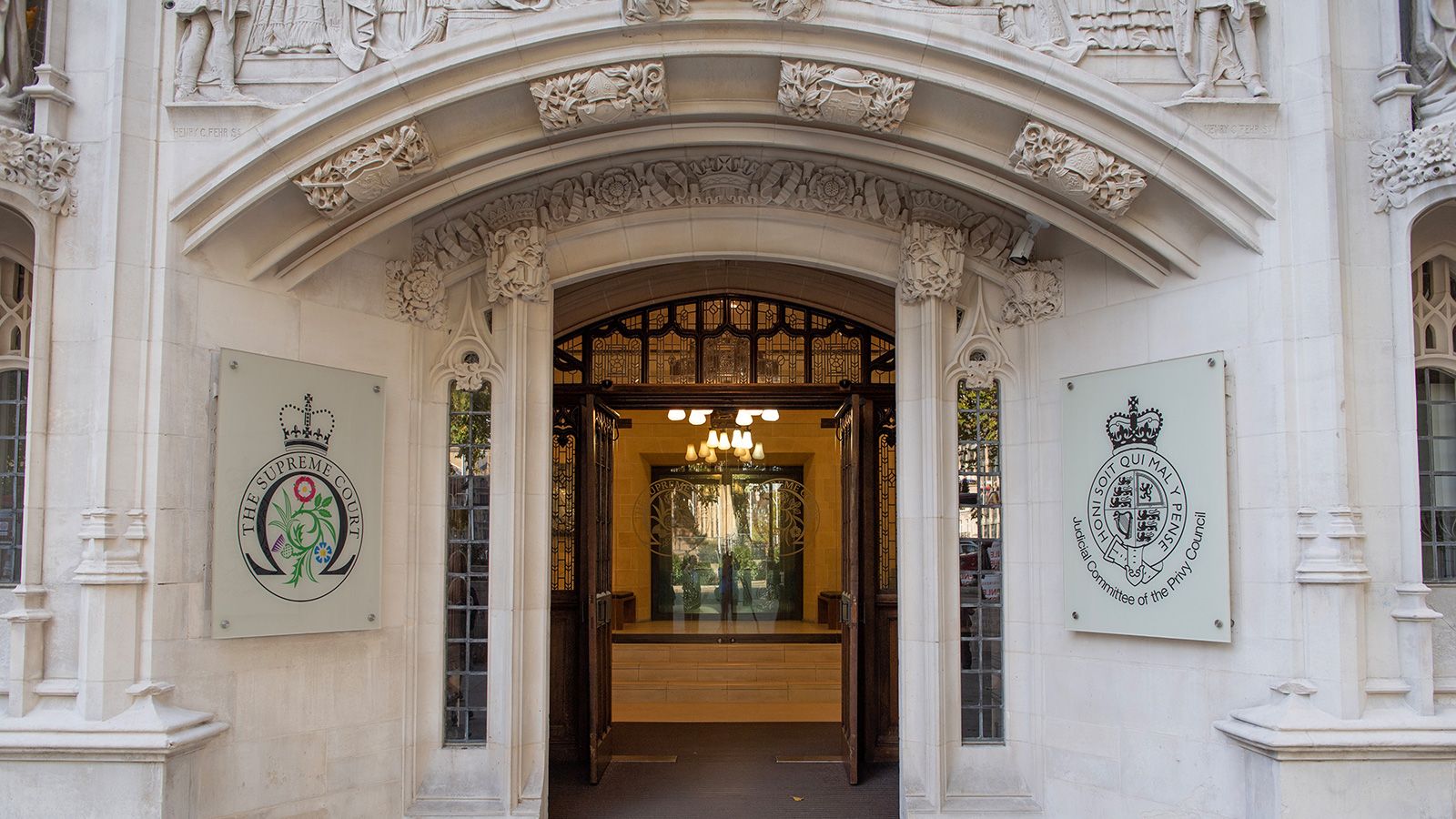
The UK Supreme Court’s decision in McCulloch v Forth Valley Health Board clarifies that doctors are not legally required to discuss treatment options they do not consider clinically reasonable, provided that assessment is supported by a responsible body of medical opinion.
The ruling refines the informed consent principles established in Montgomery v Lanarkshire Health Board by confirming that patient disclosure obligations do not extend to treatments clinicians reasonably regard as medically inappropriate. The judgment therefore preserves the distinction between a doctor’s advisory duty to explain material risks and the clinician’s professional responsibility to determine which treatment options qualify as reasonable alternatives in the first place.
For NHS trusts, private healthcare providers, insurers, governance teams, and medical defence organisations, the operational significance of the ruling lies not in reducing consent obligations, but in increasing the importance of evidencing clinical reasoning, documenting treatment-option assessments, and maintaining defensible records explaining why alternatives were rejected.
Healthcare organisations may now face greater litigation and regulatory exposure where consent processes, specialist consultations, or treatment-decision records fail to demonstrate a clear and supportable clinical reasoning pathway.
The judgment is also likely to influence future medical negligence litigation strategy, GMC-related governance reviews, consent training procedures, and healthcare compliance frameworks across the UK, particularly in disputes involving informed consent, multidisciplinary decision-making, and retrospective scrutiny of treatment discussions.
How the Supreme Court Clarified Montgomery
The central legal issue in McCulloch v Forth Valley Health Board was whether doctors are legally required to discuss treatment options they personally consider clinically inappropriate where another body of medical opinion might support the alternative.
The case arose following the death of Neil McCulloch, who suffered a fatal cardiac arrest in April 2012 after treatment at Forth Valley Royal Hospital in Scotland. His family brought proceedings against Forth Valley Health Board, alleging negligence by consultant cardiologist Dr Catherine Labinjoh.
One of the principal allegations was that Dr Labinjoh failed to discuss the use of non-steroidal anti-inflammatory drugs (NSAIDs), including ibuprofen, as a possible treatment option for pericarditis. The appellants argued that the disclosure obligations established in Montgomery v Lanarkshire Health Board required that option to be discussed with the patient. The Supreme Court unanimously rejected that argument.
The judgment forms part of the wider evolution of UK medical negligence law concerning informed consent, patient autonomy, and professional clinical judgment.
Historically, courts applied the professional practice approach established in Bolam v Friern Hospital Management Committee and reflected in Hunter v Hanley. Under that framework, clinicians were generally protected where their conduct was supported by a responsible body of medical opinion.
That position changed significantly following Montgomery, where the Supreme Court held that doctors must take reasonable care to ensure patients understand material risks and reasonable alternative treatments. Lords Kerr and Reed stated that “the doctor is therefore under a duty to take reasonable care to ensure that the patient is aware of any material risks involved in any recommended treatment, and of any reasonable alternative or variant treatments.”
Montgomery therefore reduced judicial reliance on Bolam in relation to disclosure obligations and strengthened the role of patient autonomy within treatment decision-making. McCulloch clarifies the limits of that principle rather than reversing it.
The Supreme Court confirmed that while doctors remain under a duty to disclose material risks and reasonable alternative treatments, the threshold question of whether an alternative treatment is itself “reasonable” continues to depend upon professional clinical judgment supported by responsible medical opinion.
The court therefore held that doctors are not legally required to discuss treatment options they do not regard as medically appropriate where that assessment is capable of support under established professional practice standards.
The practical significance of the ruling is substantial for NHS trusts, private healthcare providers, insurers, governance teams, and medical defence organisations. The judgment reinforces that informed consent disputes are likely to focus increasingly on evidencing clinical reasoning, documenting why alternatives were rejected, and demonstrating that treatment decisions were supported by defensible professional judgment at the time care was delivered.
The decision also reduces the risk that Montgomery could be interpreted as requiring clinicians to discuss every theoretical treatment option regardless of medical appropriateness. At the same time, the ruling preserves the post-Montgomery expectation that patients must still receive meaningful information about material risks and genuinely reasonable alternatives capable of influencing treatment decisions.
Risk Emergence
Healthcare exposure in informed consent disputes now begins before the patient discussion itself. Organisations must be able to demonstrate that treatment alternatives were clinically evaluated, considered against the patient’s presentation, and assessed through a defensible professional reasoning process. Weak or undocumented clinical evaluation may transform a disclosure dispute into a broader governance and liability issue.
Compliance, Liability and Decision Triggers
The judgment does not reduce the importance of informed consent procedures. Instead, it changes where healthcare providers are most likely to face scrutiny in future negligence claims, governance reviews, and regulatory assessments.
Following McCulloch v Forth Valley Health Board, NHS trusts, private healthcare operators, clinical governance teams, insurers, and medical defence organisations are likely to place greater emphasis on evidencing how treatment alternatives were assessed and why particular options were considered clinically inappropriate.
In practical terms, healthcare organisations may now face increased exposure where records fail to demonstrate:
- how treatment options were evaluated;
- whether specialist advice was obtained or escalated appropriately;
- and why alternatives were rejected at the time care was delivered.
The ruling is therefore likely to influence consent documentation standards, multidisciplinary communication procedures, specialist referral pathways, advisory consultation records, and evidential retention policies relating to clinical reasoning.
The judgment also reinforces the importance of distinguishing between genuinely reasonable treatment alternatives and theoretical options lacking support within responsible medical practice. That distinction is likely to become increasingly important in future disputes concerning informed consent obligations and retrospective scrutiny of treatment decisions.
The Supreme Court accepted the findings of the Scottish courts below that Dr Catherine Labinjoh did not regard NSAID treatment as clinically appropriate in the circumstances and that this assessment was supported by a responsible body of medical opinion.
Importantly, the court did not overturn Montgomery v Lanarkshire Health Board or restore complete judicial deference to medical opinion on disclosure issues.
Instead, the judgment draws a clearer boundary between:
- a doctor’s duty to disclose material risks and reasonable alternatives;
- and the clinician’s professional responsibility to determine which treatment options qualify as medically reasonable in the first place.
That distinction carries substantial litigation and compliance consequences.
For claimants, the ruling makes it more difficult to argue that every conceivable treatment option should automatically have been discussed with a patient.
For healthcare defendants, however, the judgment increases the importance of contemporaneous records, documented clinical reasoning, specialist involvement, and evidence capable of demonstrating that treatment decisions were supported by defensible professional judgment at the relevant time.
The operational trigger point is likely to arise where healthcare organisations cannot clearly evidence why alternatives were discounted or where consent discussions become disconnected from the underlying clinical reasoning process. Once that evidential gap appears, the dispute may escalate beyond an individual negligence allegation into a broader governance, compliance, or systemic risk issue.
Exposure Escalation
Healthcare exposure increases significantly where disputes concerning informed consent become linked to failures in documentation, escalation procedures, or multidisciplinary communication. Courts are unlikely to treat unsupported assertions of clinical judgment as sufficient where records fail to demonstrate how treatment alternatives were assessed at the time care was delivered.
The judgment also reinforces the continued role of Bolitho v City and Hackney Health Authority, under which courts may reject professional opinion incapable of withstanding logical analysis.
The operational trigger point created by McCulloch arises when healthcare organisations cannot clearly evidence why treatment alternatives were rejected.
At that stage, the issue may escalate beyond an isolated negligence allegation into a governance concern, litigation-management issue, or regulatory compliance risk.
This is particularly relevant in complex hospital environments involving multiple departments, advisory consultations, or fragmented specialist responsibility.
The Supreme Court noted that Dr Labinjoh was not the consultant with overall responsibility for Mr McCulloch’s care and had primarily been asked to review echocardiogram findings.
That factual detail highlights how modern healthcare structures can complicate responsibility for treatment discussions, escalation decisions, and consent obligations.
Action Threshold
Board-level concern is likely to arise where repeated consent disputes expose systemic weaknesses in documentation standards, specialist communication pathways, or treatment-option review procedures. Once these issues begin appearing across multiple claims or internal investigations, organisations may face increased litigation costs, regulatory scrutiny, and wider governance exposure extending beyond individual clinicians.
The involvement of both the General Medical Council and the British Medical Association as interveners demonstrates the wider professional significance attached to the case.
The judgment is likely to influence GMC guidance interpretation, NHS governance reviews, consent training frameworks, and future expert evidence in medical negligence litigation.
Importantly, the ruling does not remove existing professional expectations concerning shared decision-making or informed patient discussions.
Healthcare providers may still face regulatory scrutiny where disclosure procedures, documentation quality, or treatment reasoning fall below accepted professional standards, even where negligence claims ultimately fail.
McCulloch signals a broader judicial attempt to balance patient autonomy with workable clinical decision-making standards. The ruling preserves Montgomery’s informed consent principles while limiting attempts to expand disclosure obligations into a requirement for exhaustive discussion of treatments clinicians do not regard as medically appropriate.
McCulloch clarifies the limits of Montgomery rather than reversing it.
The Supreme Court confirmed that doctors remain under a duty to explain material risks and reasonable alternative treatments to patients. But the court also made clear that deciding whether an alternative is genuinely “reasonable” still depends on professional medical judgment.
For healthcare organisations, the practical issue now shifts toward evidence. Hospitals, insurers, and governance teams are likely to focus more closely on how treatment decisions are recorded, how alternatives are assessed, and whether specialist input is properly documented when consent disputes arise later.
The ruling is expected to carry significant weight in future UK medical negligence claims involving informed consent and treatment disclosure. It may also influence how NHS bodies review consent procedures, escalation pathways, and clinical recordkeeping standards following complex treatment decisions.
The case is particularly important because it draws a firmer boundary between patient autonomy and clinical discretion. Future disputes are likely to focus less on whether every possible treatment was mentioned and more on whether clinicians can show that alternatives were properly considered and rejected on defensible medical grounds.