
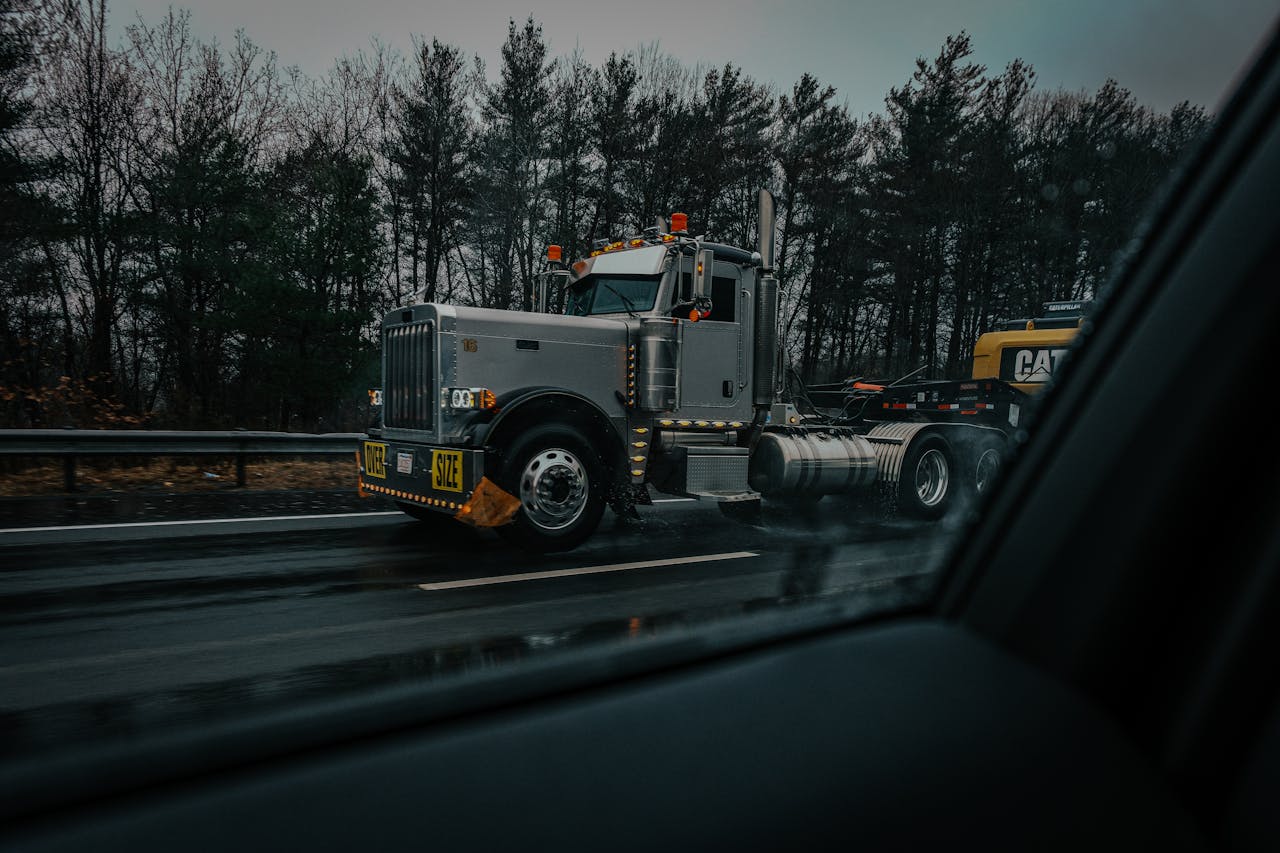
We have all felt that sudden wave of anxiety when driving next to a massive semi-truck on the highway. You look up at those giant wheels and realize just how small your passenger vehicle really is. This fear is not irrational because big rigs have massive blind spots that completely swallow up normal cars. When a truck driver changes lanes without seeing you, the results are often catastrophic. If you or someone you love was hurt in one of these wrecks, reaching out to 18-wheeler injury attorneys is usually the best way to protect your rights and get your life back on track.
The Danger of the No-Zone
Trucking professionals refer to a semi-truck’s blind spots as the No-Zone. These are not the tiny blind spots you find in a sedan or an SUV. A tractor-trailer has massive blind spots on all four sides. The right side is the most dangerous because it extends across several lanes and runs the entire length of the trailer.
If you are driving on the right side of a truck, the driver cannot see you at all. The left side also has a large blind spot, though it is slightly smaller because the driver sits on that side. There are also deep blind spots directly in front of the cab and right behind the trailer. When you drive in these areas, you are essentially invisible to the trucker.
Why the Injuries Are So Severe
When a regular car collides with an eighty-thousand-pound machine, the laws of physics are never on the side of the smaller vehicle. The sheer size and weight disparity mean that the smaller car absorbs almost all of the impact energy. This energy causes devastating crushing damage to the vehicle cabin.
Because the impact is so violent, occupants of passenger cars often suffer life-altering injuries. Brain trauma, spinal damage, broken bones, and internal organ injuries are incredibly common. A truck hitting a car at sixty miles per hour can easily cause a multi-car pileup, which compounds the injuries even further.
Common Reasons for Blind Spot Wrecks
You might think that truck drivers are trained to check their blind spots, and they are. However, mistakes happen frequently on long hauls. Driver fatigue is a major factor here. Truckers spend long hours on the road, and exhaustion slows down their reaction times and limits their situational awareness.
Distraction is another massive problem. If a driver looks down at a GPS or a phone for just two seconds, they can easily miss a car entering their No-Zone. Combine that with poor weather conditions or heavy traffic, and you have a recipe for a terrible highway wreck.
Proactive Tips for Driving Near Big Rigs
The best way to stay safe on the highway is to practice defensive driving around large trucks. A good rule of thumb to remember is that if you cannot see the truck driver’s face in their side mirrors, they cannot see you.
- Pass quickly: Never linger alongside a semi-truck. If you need to pass, do it safely and efficiently on the left side.
- Give them space: Avoid tailgating a truck because the driver cannot see you behind the trailer, and you will have zero time to react if they slam on the brakes.
- Avoid the right side: Avoid passing a truck on the right whenever possible, as that is its largest blind spot.
- Signal early: Give the truck driver plenty of warning before you make a move so they know exactly where you are going.
Who is Liable for These Crashes
Determining fault in a truck accident is rarely simple. While the driver might have made the mistake, the trucking company could also share the blame. For example, the company might have pushed the driver to exceed their legal driving hours. Another reason is that they might have failed to properly maintain the truck’s mirrors and safety equipment.
Investigating these crashes requires looking at black box data, logbooks, and maintenance records. This is why trying to handle the aftermath alone is so overwhelming for victims who are just trying to heal.
Final Word
Navigating life after a major highway accident is incredibly stressful. The physical pain is hard enough, but dealing with insurance companies makes everything worse. If you are dealing with medical bills and lost wages after a crash, contacting experienced 18-wheeler injury attorneys can give you the legal support you need to secure fair compensation and move forward with your recovery.