
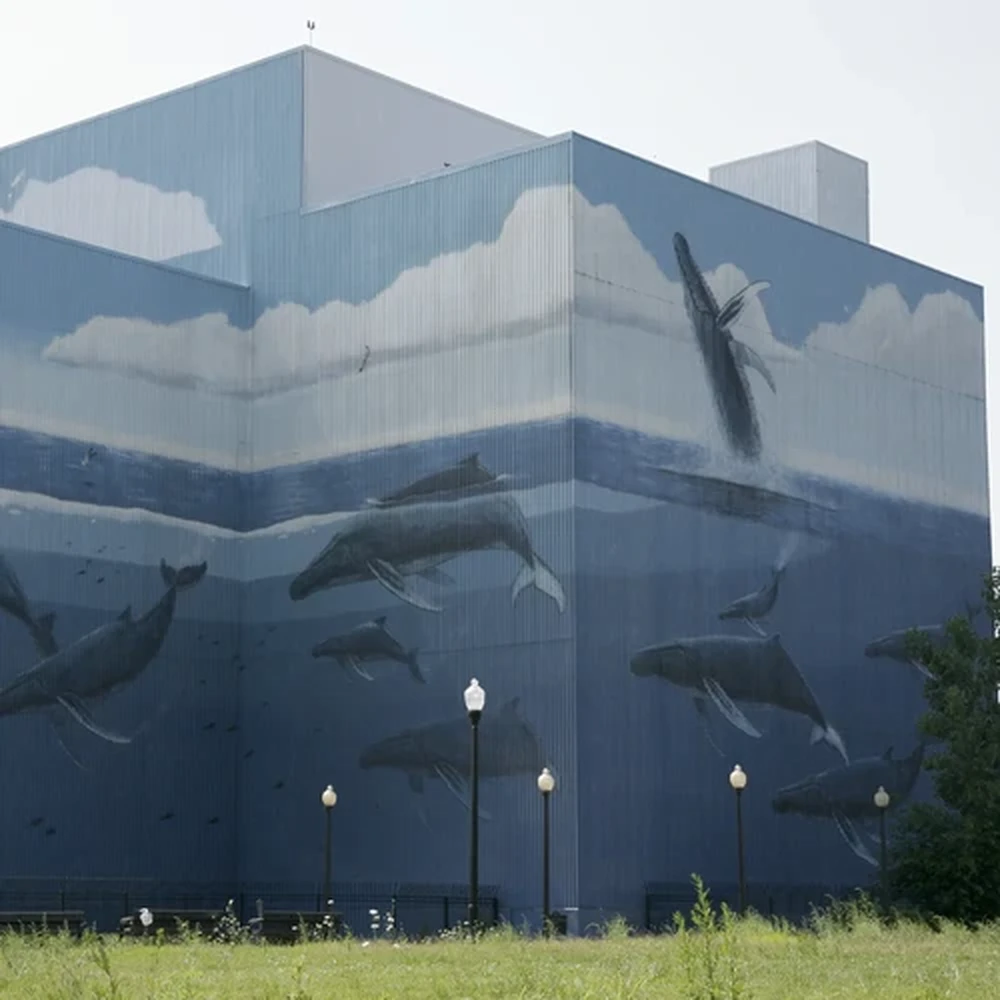
A $25 million federal lawsuit filed by artist Robert Wyland in the U.S. District Court for the Northern District of Texas centres on claims that his Dallas whale mural was painted over without consent or prior notice.
In Wyland v. Fédération Internationale de Football Association (FIFA) et al., filed on June 1, 2026, Wyland alleges that his Dallas whale mural was painted over during redevelopment linked to World Cup preparations without notice or permission. FIFA and associated entities are named as defendants in the case.
The filing brings the Visual Artists Rights Act of 1990 (VARA), enacted under H.R.2690, into focus as the legal basis for the claim, raising questions over how federal copyright protections apply when public artwork is removed from privately controlled property.
Can a Building Owner Legally Paint Over a Mural?
Robert Wyland’s Whaling Wall 82 remained part of the Dallas streetscape for nearly three decades before being painted over ahead of preparations linked to the 2026 FIFA World Cup. According to the federal complaint, the mural was removed as part of redevelopment activity connected to the tournament, with Wyland alleging it was destroyed without consent or prior notice.
Under VARA, enacted under H.R.2690, certain works of visual art may receive protection even after installation on privately owned buildings. The statute grants artists limited moral rights, including protection against the intentional destruction of qualifying works, although those rights depend on whether the work meets the legal threshold of “recognised stature.”
That threshold is shaped largely by federal case law, including the 5Pointz decision, where courts held that publicly displayed artworks could retain enforceable rights even when located on privately owned property undergoing redevelopment.
The court will now assess whether Whaling Wall 82 meets that standard based on its artistic recognition, public visibility and place within Wyland’s broader body of work.
What Happens If a Protected Mural Is Removed?
If a mural qualifies for VARA protection, its destruction may give rise to statutory damages rather than a standard property dispute. The law allows artists to seek compensation where qualifying works are intentionally destroyed or altered without compliance with federal requirements, and courts have previously upheld significant awards in similar cases under the 5Pointz precedent.
Wyland is seeking at least $25 million in damages in connection with the alleged destruction of his mural.
Beyond financial exposure, disputes of this nature can affect redevelopment timelines and increase legal scrutiny, particularly where long-standing public artworks have become part of the visual identity of a location. Recent reporting on the case shows wider public attention, including criticism from residents and calls for greater protection of public artwork.
Why Ownership Is Only Part of the Legal Question
Ownership of the building on which the mural was displayed does not determine the outcome of the dispute. The legal question instead concerns whether statutory rights in the artwork continued after installation and whether those rights were respected when the mural was removed.
Wyland alleges the work was destroyed without consent or prior notice, while parties connected to the redevelopment have disputed aspects of the communication surrounding the removal.
Whether the mural qualifies as a work of “recognised stature” is likely to be a central issue in the case, along with whether the legal requirements governing its removal were followed. The court is also likely to consider decisions such as 5Pointz, where artists successfully challenged the destruction of public artwork displayed on privately owned property.