
We live in a world governed by the click of a button. Whether it’s grocery delivery, a last-minute e-commerce package, or a hot meal, our expectations have shifted toward instant gratification. We applaud the efficiency of the “two-hour delivery window” while failing to acknowledge the extensive logistics infrastructure required for it.
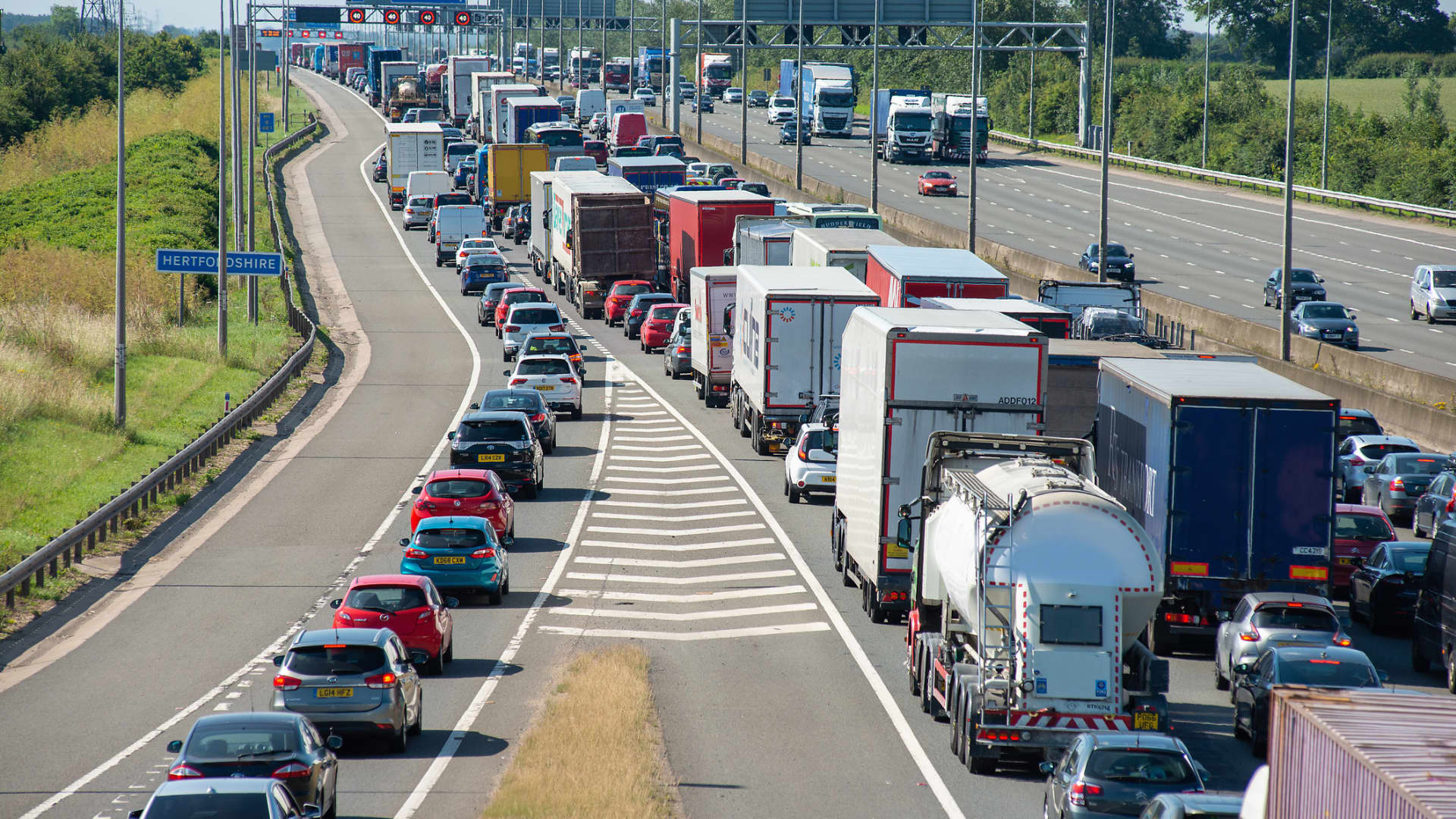
However, in reality, our quest for rapid service comes at a heavy price. Our cities are now inundated with commercial vans and trucks to meet delivery timelines. When the urgency of a corporate stopwatch collides with the realities of traffic, a convenient delivery window can instantly transform into a devastating multi-car pileup. The process of dealing with such commercial accidents is exceedingly complicated, making it imperative to contact a Burnetti truck accident lawyer as soon as possible to safeguard your rights from corporate recklessness on public highways.
The Blind Spot Bottleneck
Delivery trucks are inherently larger, taller, and wider than the average passenger vehicle. Because of their design, they possess massive blind spots, often called “no-zones“, that extend along the sides, directly behind, and right in front of the cab.
In the attempt to locate the address, the delivery driver ends up doing quick lane changes, making abrupt stops, or taking an abrupt U-turn. If there happens to be a smaller vehicle in that huge blind spot, they will only realize its presence once an accident has already occurred. To make things even worse, the big box truck blocks the line of sight of other drivers if they have to make an emergency stop due to something along the way.
The Danger of Unexpected Roadblocks
Compared with trucks used to haul goods over long distances that use major highways, delivery vans move around our neighborhoods. The drivers of these vans often park their vehicles illegally because they are in such a hurry to deliver their cargo within the prescribed time limits. The van drivers often double-park on two-lane roads, obstruct traffic lanes, or park very close to busy intersections.
These vans pose a real hazard to others by obstructing traffic flow. If one delivery truck occupies a lane, other cars traveling in opposite lanes must change lanes abruptly and dangerously, without being able to see clearly ahead. Such a situation may cause a chain reaction resulting in a serious accident involving multiple cars.
The Toxic Pressure of the Clock
The main problem lies in how such accidents occur; this is known as “algorithmic pressure.” Delivery drivers’ activities can be monitored by highly advanced software that tracks every route, stop, and second of their time.
Such strong pressure pushes safe drivers to take risks. It motivates them to speed, ignore stop signs, tailgate others, and even drive when feeling extremely tired. In addition, the need to monitor a handheld GPS device or a delivery application distracts drivers from the road and from everything that might happen on it.
Holding the System Accountable
When a delivery truck causes a multi-car pileup, determining liability is a logistical nightmare. The blame rarely rests solely on the individual driver. It often traces back to independent contractor loops, unrealistic corporate scheduling metrics, and improper fleet maintenance.
Conclusion
Our desire for instant delivery should never compromise public safety. If you or a loved one has been injured in a chain-reaction crash triggered by a commercial vehicle, partnering with an experienced Burnetti truck accident lawyer ensures you have an advocate who can stand up to major logistics corporations and their insurance teams. The convenience of a two-hour delivery window is never worth the price of a human life.