
The Legal Ombudsman’s restored award against Aina Khan Law moves a long-running complaint about family law fees, client capacity and ombudsman reasoning back from judicial review into the professional service complaints regime.
The Court of Appeal decision follows the High Court’s partial quashing of the ombudsman’s ruling in 2025 and reinstates the disputed £15,692.60 element of a wider £51,192.60 award made after CXV complained about the firm’s handling of sensitive family proceedings.
The Legal Ombudsman had found that Aina Khan Law failed to adequately assess CXV’s litigation capacity and that its costs were excessive. The award comprised a £35,500 refund linked to poor service over costs, plus a further £15,692.60 reduction, calculated as 20% of the net fees paid, in relation to the capacity issue.
Aina Khan Law brought judicial review proceedings, and David Pievsky KC, sitting as a deputy High Court judge, upheld the costs refund but quashed the capacity-related fee reduction.
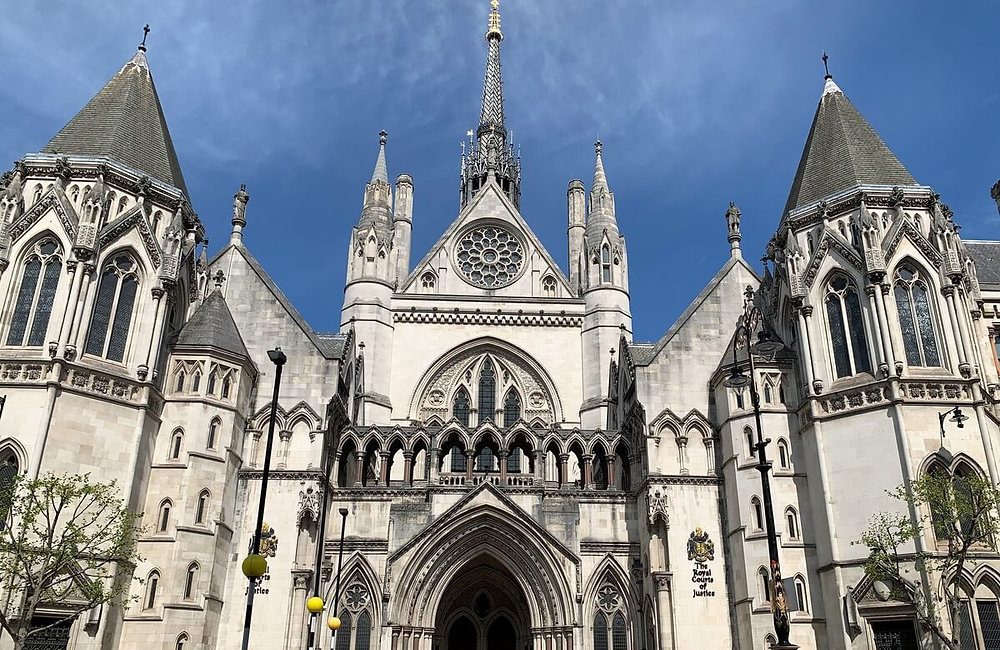
Lord Justice Holgate, giving the unanimous decision of the Court of Appeal, restored that part of the Legal Ombudsman’s decision and held that there was no irrationality in the ombudsman’s reasoning.
The court found that the High Court had read the ombudsman’s decision too selectively and had stepped beyond the proper limits of judicial review by becoming drawn into factual and merits issues that belonged to the ombudsman. The judgment also confirms that the Legal Ombudsman is not required to give reasons to the same standard as a court judgment when resolving legal service complaints under an inquisitorial and non-adversarial scheme.
Client vulnerability, mental health indicators, family involvement and litigation capacity now need to be assessed as part of the service record, not reconstructed only when a complaint arises.
The judgment does not mean every mental health concern creates a capacity issue under the Mental Capacity Act 2005, but it does confirm that the Legal Ombudsman can consider the broader adequacy of service where vulnerability is apparent.
Family law firms, private client teams and disputes practitioners should be able to show why capacity was or was not questioned, what support was considered, what advice was recorded and how costs exposure was explained as the matter progressed.
Aina Khan Law now faces the restored award, while solicitors advising vulnerable clients must ensure their file notes can withstand Legal Ombudsman scrutiny as well as any later challenge before the High Court or Court of Appeal.