Not Every Serious Injury Is Physical
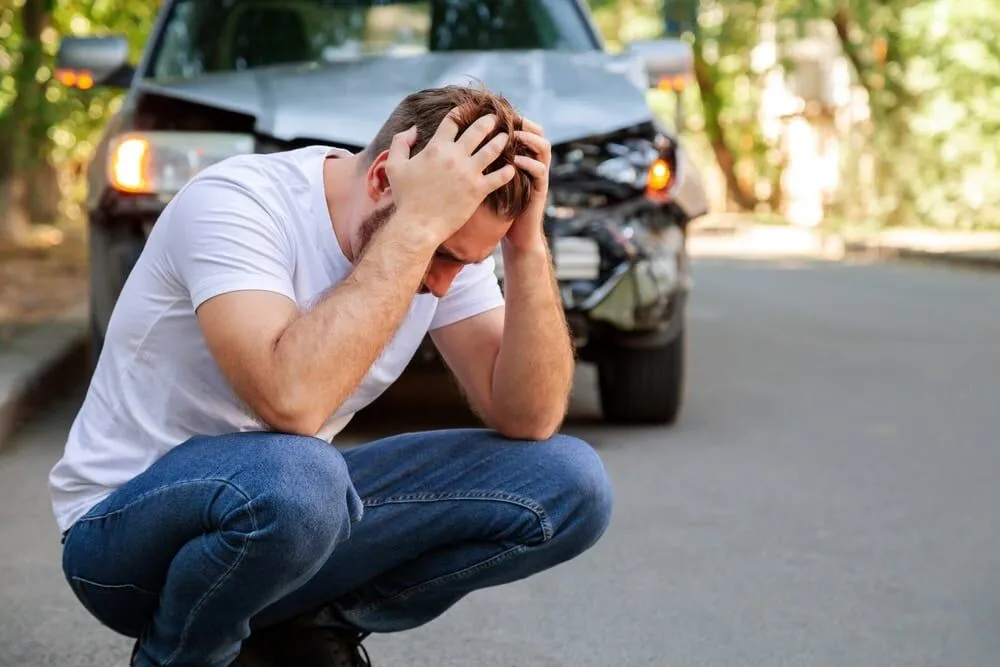
Most people, after being in an accident, immediately look for cuts, bruises, broken bones, and anything they can see. But surprisingly, the most serious damage is often hidden. Emotional upset from an accident can stick with you for months, even years, and this is even if you haven’t been physically hurt much at all.
Lots of people who’ve had an accident initially think they’re pretty okay, because they can still walk, go to work, and generally get on with things. However, emotional difficulties tend to surface later, quite possibly a good while after the accident itself. Actually, emotional difficulties are much more common after a serious accident than most people think.
How Emotional Trauma Develops After an Accident
A bad accident puts an incredible strain on your brain and nervous system. And even when the danger is over, your body can continue to act as if the threat is still right there.
Common reactions include:
- Anxiety
- Panic attacks
- Trouble getting to sleep
- Nightmares
- Swings in mood
- A fear of driving or traveling
- Problems focusing
- Emotional numbness
In really serious cases, particularly after a violent crash or something truly shocking, people can develop post-traumatic stress disorder (PTSD).
Symptoms Often Appear Later
These symptoms don’t always hit immediately. Some people carry on as normal for a bit, then gradually find their mental and emotional state changing.
Anxiety and Sleep Problems
Anxiety and sleeplessness are frequent problems; people might find the accident playing over and over in their head, or be unable to relax, or wake up in the night feeling incredibly stressed and panicky.
Fear and Avoidance
Some become fearful of driving, traveling, crossing the road, or even going back to the place where the accident happened.
Emotional Exhaustion
Others feel completely emotionally drained, disconnected, snappy, or simply overwhelmed, and aren’t even sure why. Because you can’t see these injuries, people frequently dismiss them, at least until they start interfering with daily life.
Emotional Trauma Can Affect Work and Relationships
Emotional trauma can have a huge impact on work and your relationships. These psychological injuries can be as disruptive as physical ones.
Anxiety, being exhausted, and not being able to concentrate affect your performance at work, how you make decisions, and how much you get done. At home, this emotional distress frequently causes tension in relationships – family might simply not grasp why your behavior, your mood, or your personality has altered since the accident. Many accident survivors also withdraw from friends and family, feeling pressured to ‘get over it’ quickly.
Why Emotional Injury Claims Can Be Difficult
It’s often surprisingly hard to get an insurance company to accept that you’ve been emotionally injured. One of the biggest hurdles in these cases is showing the effect of the trauma, especially when the physical injuries are minimal or aren’t apparent.
Insurers often claim:
- The emotional effects are temporary
- The stress was already there
- The symptoms are exaggerated
- The trauma isn’t actually linked to the accident
That’s why medical records and any mental health treatment you’ve had become so vital for any injury claim. A personal injury lawyer will usually advise you to write down how you’re feeling emotionally, just as carefully as you’d document any physical injury.
Why Early Mental Health Support Matters
Talking to a doctor, a therapist, or another mental health professional early on is helpful for both getting better and for keeping a record of things.
Treatment can include:
- Therapy
- Counseling
- Medication
- Coping strategies
- Trauma-focused treatment
And your Nashville personal injury lawyer can use those records to show just how much the accident has disrupted your day-to-day life, your work, and your future well-being.
Emotional Injuries Can Last Long After Physical Recovery
It’s important to remember that not every accident leaves a visible mark. Some of the most profound injuries are emotional, continuing to affect how you sleep, your confidence, your relationships, and your normal routines long after you should have physically recovered.
Emotional trauma is a genuine medical condition, not just stress or overreacting. Spotting the signs early and getting the right support can make a massive difference to your personal recovery and to any compensation claim.