
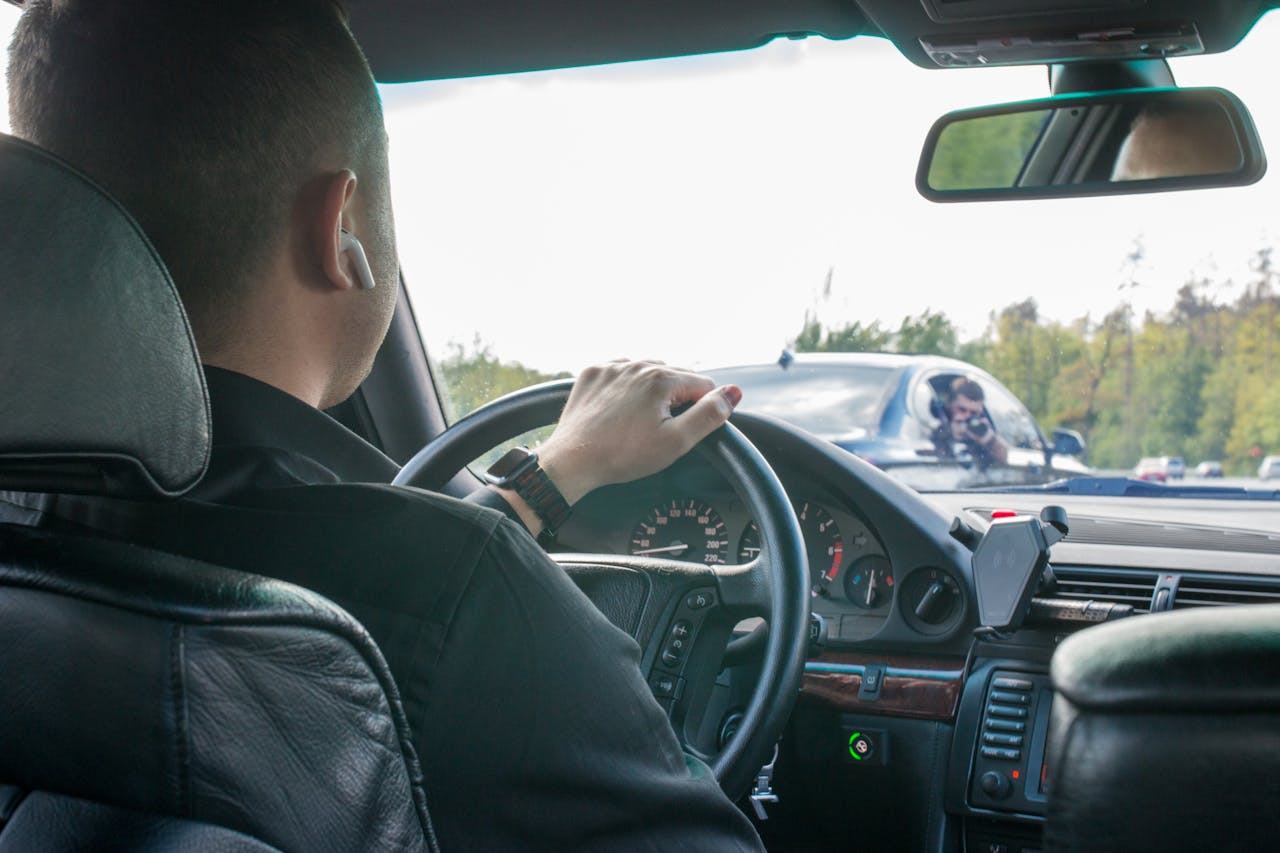
We have all experienced it: that sudden, surreal moment when we pull into our driveway or workplace parking lot and realize we have absolutely no memory of the last five miles. We steered through the turns, stopped at the lights, and maintained our speed, yet our conscious mind was completely checked out. This phenomenon is a shared human experience, but when it occurs on a daily commute, it creates a psychological blind spot that can have fatal consequences. If you or someone you love has been injured because a driver failed to adapt to a newly altered road layout, choosing to view accident attorneys who understand the intersection of human psychology and traffic liability can help you navigate the complex aftermath. Understanding the science behind why our brains betray us on familiar roads is the first step in breaking a deadly driving habit.
The Neurological Trap: Cognitive Highway Hypnosis
Why people tend to miss the dangers that arise when they travel the same roads every day lies in how the human brain functions. When a driver encounters a new road for the first time, his prefrontal cortex becomes very busy. He starts consciously looking for any signs and judging curves and distances. However, as a route becomes familiar, the brain shifts the task of driving from active processing centers to the basal ganglia, the brain regions responsible for executing deeply ingrained habits.
This shift means the brain is no longer actively analyzing the environment; instead, it is essentially running a predictive simulation based on yesterday’s drive.
For example, if a road crew suddenly moves a lane marking overnight, or if a storm takes out a stop sign, then the driver whose mind has been using its simulated map of the surroundings will look right at that change and, physically speaking, not see it. The brain will simply plug in the missing information from memory.
Specific Hazards That Are Missed
Every day we drive somewhere, changes in the road environment occur regularly; however, our subconscious brain automatically categorizes these changes as irrelevant noise. Some important changes, however, tend to take drivers by surprise.
- Newly Installed Traffic Signals: An intersection that has been a two-way stop for a decade might be converted into a four-way stop or a roundabout to accommodate new urban growth. Drivers relying on muscle memory often blow right through new signs without tapping the brakes.
- Active, Shifting Construction Zones: Construction barriers, lane splits, and altered speed limits change daily in active work zones. A driver who traveled the route safely at 8:00 AM might find the lanes completely shifted by the time of their 5:00 PM return trip.
- Progressive Environmental Degradation: A small pothole on a sharp curve can rapidly expand into a deep, tire-popping crater after a heavy rainfall. Because the driver remembers the road as smooth, they do not slow down to avoid it, resulting in a sudden loss of steering control.
Conclusion
Breaking free from the cognitive trap of the daily commute requires a deliberate, conscious effort to disrupt your brain’s automated patterns. Traffic safety experts suggest swapping small variables, like not just being on autopilot, but keeping your mind slightly busy. For example, actively pick a detour one time a week, switch off the radio so you can concentrate fully on the road’s noises, or try a mental challenge where you make yourself read and actually say out loud every speed limit sign you pass. If you find yourself facing medical bills and a damaged vehicle because a negligent motorist drove by memory rather than by sight, it is in your best interest to view accident attorneys who can aggressively investigate the crash site, review traffic patterns, and hold the distracted driver accountable.