
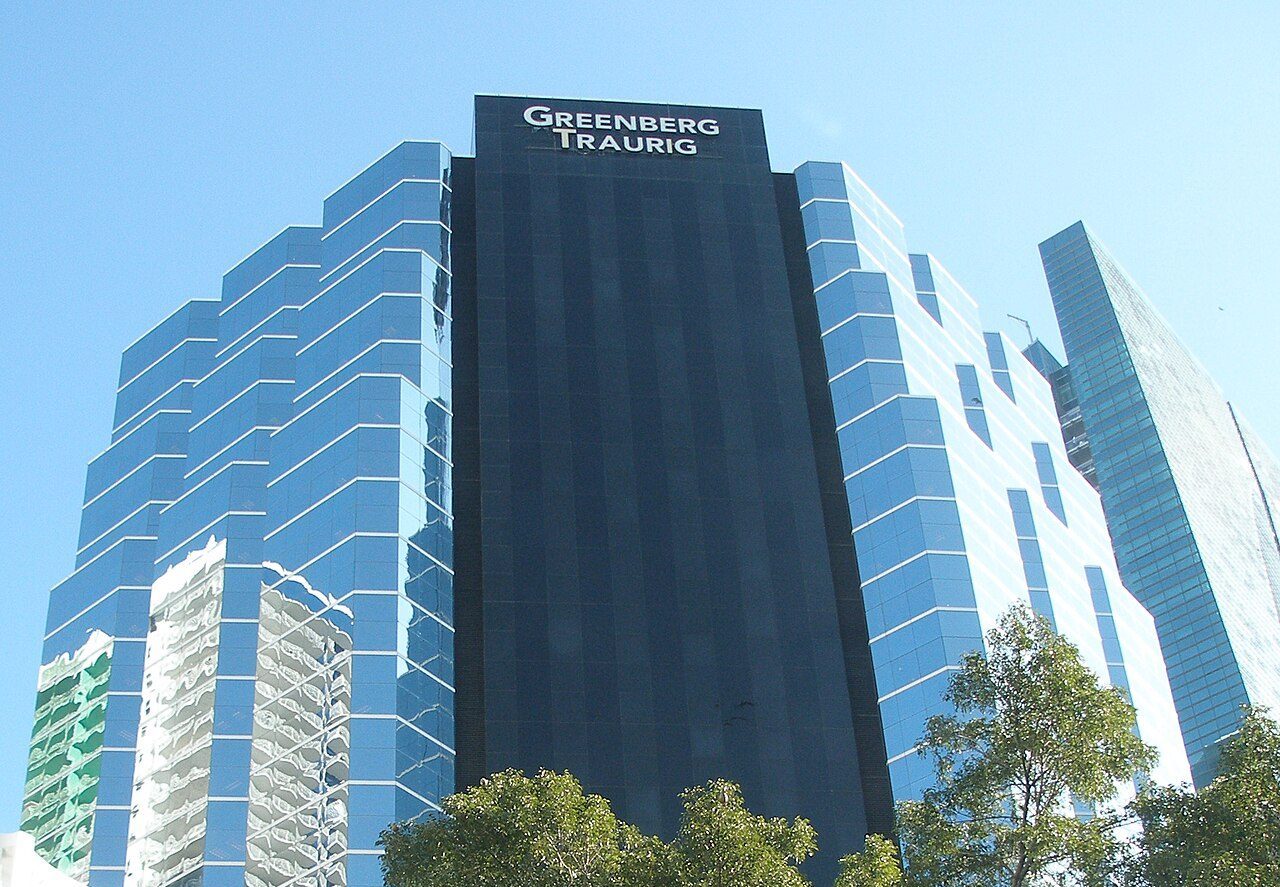
Greenberg Traurig has been named in a $70 million legal malpractice lawsuit filed by Texas businessman Branden Muhl and a group of entities he controls. The suit, filed in Florida Circuit Court on July 1, concerns legal work the firm provided in connection with the historic Greystone Hotel in Miami Beach.
According to the filing, representations and opinions made by Greenberg Traurig left the plaintiffs exposed to tens of millions of dollars in debt and equity obligations tied to the property.
The claim centers on conflicted, deficient and disloyal legal services, according to the suit. Beyond the entities named, the specific advice at issue, the timeline of the alleged conduct, and the firm’s response have not been independently confirmed.
Conflict allegations in Florida real estate transactions sit on well-established ground. Under Rule 4-1.7 of the Rules Regulating the Florida Bar, a lawyer cannot represent a client where representation is directly adverse to another client.
The rule also bars representation where a significant risk exists that a lawyer’s duties to another client, a former client, or their own interests will materially limit that representation, unless the affected client gives informed consent, confirmed in writing.
Florida real estate closings routinely involve one attorney performing several roles at once, from issuing title insurance to handling loan disbursement on behalf of both buyer and lender, which the Florida Bar has flagged as a persistent source of exactly this kind of conflict.
The Florida Supreme Court has disciplined attorneys for comparable dual-role conduct before: in The Florida Bar v. Reed, the Court suspended an attorney for six months after finding it unethical to represent both buyer and seller of the same property while assuming multiple roles in the transaction.
A separate hurdle sits beneath any conflict allegation in a Florida malpractice suit: proving the underlying negligence claim itself.
Florida malpractice law requires a plaintiff to establish that an attorney-client relationship existed, that the attorney breached the professional duty owed within that relationship, and that the breach was the proximate cause of quantifiable damages.
This commonly requires a “case within a case” showing — establishing what the outcome would have been absent the alleged failure. A conflict of interest can support a breach-of-duty finding, but Florida courts still require the plaintiff to connect that breach directly to the financial harm claimed, rather than relying on the existence of a conflict alone.