
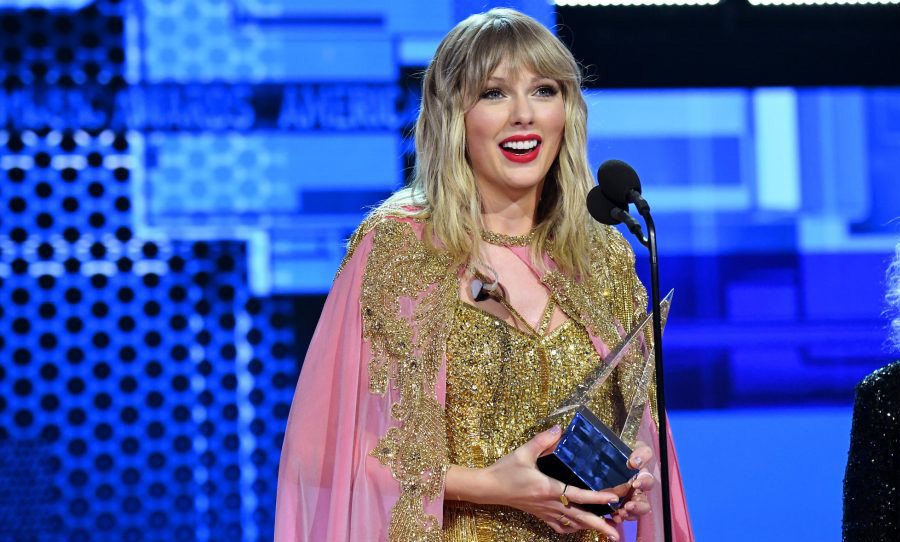
Taylor Swift has defeated a copyright lawsuit brought by Florida poet Kimberly Marasco after a federal judge ruled that the alleged overlaps between poems and songs relied on unprotectable ideas, themes, metaphors and isolated words rather than original expression.
Judge Aileen Cannon dismissed the action with prejudice in the U.S. District Court for the Southern District of Florida on 6 July 2026. Marasco, who represented herself, alleged that Swift copied material from her poetry across more than a dozen songs, including The Man, The Great War, Invisible String, Down Bad, I Can Do It With a Broken Heart and Who’s Afraid of Little Old Me?.
Universal Music Group and Republic Records were among the defendants. The complaint had also named Jack Antonoff and Aaron Dessner, although both were no longer active defendants by the time of the dismissal.
Marasco relied on works including Dealing with a Chronic Illness: Vestibular Neuritis, Fallen from Grace, Songs of the Unsung and the standalone poem Noah. The case followed an earlier unsuccessful copyright action against Taylor Swift Productions.
Swift and the corporate defendants, represented by J Douglas Baldridge and Katherine Wright of Venable, argued that the amended complaint recycled rejected allegations and sought to turn broad concepts such as betrayal, love, fire, adversity and workplace frustration into copyright property.
Judge Cannon found that none of the pleaded counts identified protectable expression. The court treated the alleged similarities as common words, short phrases, familiar metaphors or general ideas, not the type of original literary expression protected by copyright law.
The ruling also found that Marasco had not plausibly alleged access, noting limited sales and marketing of the works, and had not pleaded substantial similarity between the poems and Swift’s songs.
The decision matters beyond celebrity litigation because it gives intellectual property lawyers another clear example of the boundary between shared language and actionable copying. Solicitors advising writers, artists, publishers, labels or platforms will read the judgment as a reminder that copyright claims need disciplined comparison of expression, not broad thematic association.
The pleading point is likely to be the most useful part of the ruling for litigators. Judge Aileen Cannon criticised an amended complaint that treated different defendants, songs and poems together, despite the separate roles of Taylor Swift, Universal Music Group and Republic Records. Solicitors and barristers handling creative-sector claims will need to map infringement allegations defendant by defendant and work by work.
Record-label and talent-side legal teams should read Marasco v Swift as risk guidance for high-profile releases. Claims built around mood, imagery or familiar turns of phrase will still arrive, but the ruling shows why early assessment should focus on protectable expression, plausible access and substantial similarity rather than broad thematic overlap.
Copyright and entertainment disputes are likely to remain active for firms advising artists, publishers, labels and platforms, particularly as AI-assisted writing and online evidence of access create new arguments around authorship and copying. Practitioners advising creative clients should test weak lyric-copying claims before they become expensive federal litigation.