
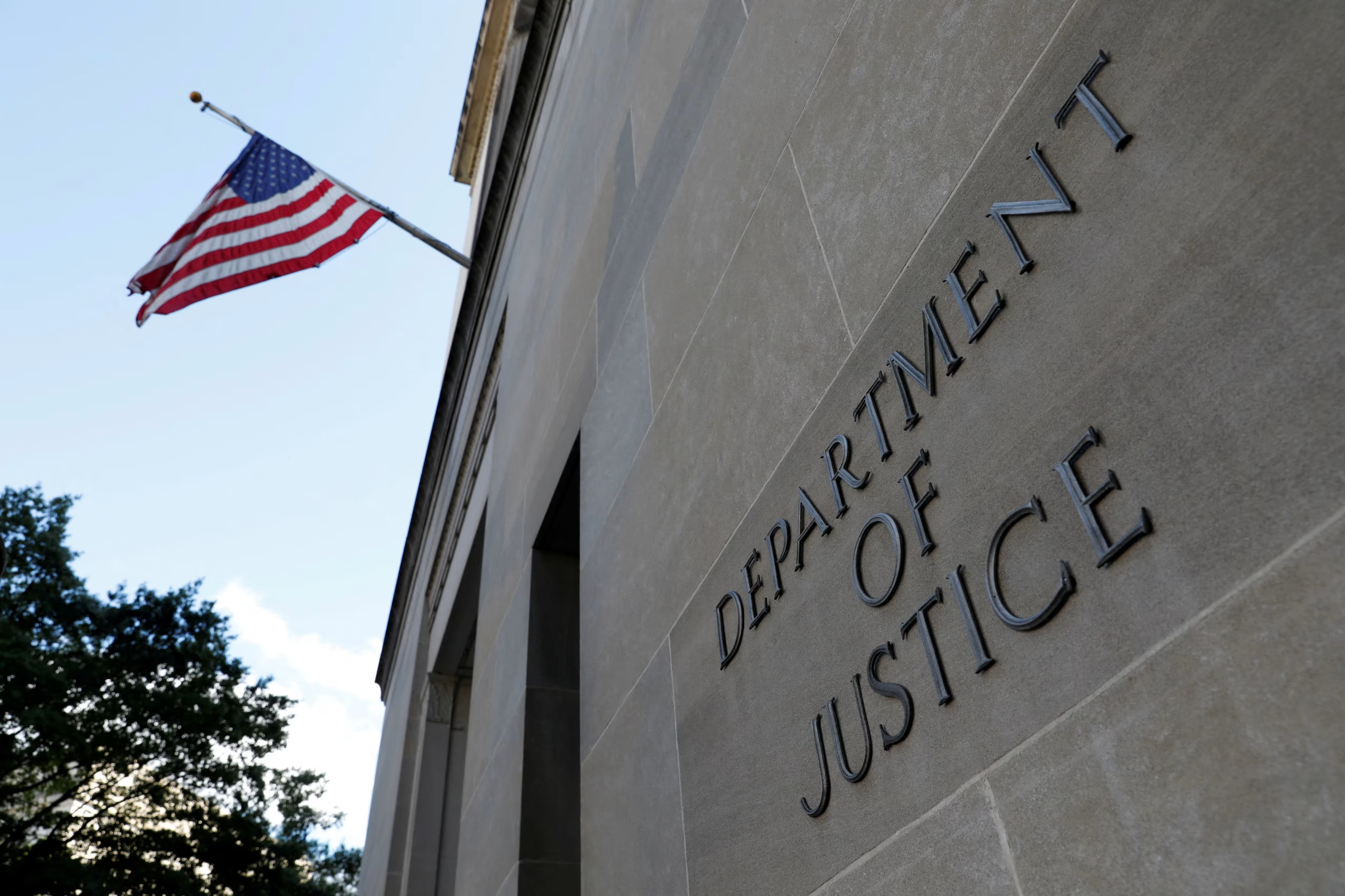
The Trade Fraud Task Force has surpassed $1 billion in civil and criminal recoveries, penalties, forfeitures and publicly charged losses less than a year after it was launched by the US Department of Justice and Department of Homeland Security.
The announcement signals a more aggressive federal approach to customs fraud, using both criminal prosecutions and civil enforcement under the False Claims Act.
Established in August 2025, the task force investigates false declarations made to US Customs and Border Protection, including mislabelling, transshipment and inaccurate claims about a product’s country of origin. Its remit extends beyond importers to customs brokers, distributors, commercial end-users and other businesses alleged to have knowingly profited from goods entered contrary to law.
Priority areas include Section 301 tariff evasion, antidumping and countervailing duties, forced labour and imports that create risks to health and safety.
The Justice Department has also announced the creation of a Global Trade & Commerce Enforcement Section within the National Fraud Enforcement Division. The new section will pursue criminal import, trade and other fraud offences, while the US Attorney’s Office for the Northern District of Illinois has been selected as the task force’s lead prosecutorial partner.
US Customs and Border Protection and Homeland Security Investigations will support that work through border enforcement, investigations and international cooperation.
Two Chicago cases announced with the milestone show how prosecutors are applying the model. Raj Kohli and Veena Kohli, operators of Surya International Inc., were charged over allegations that gold jewellery imported from India and the United Arab Emirates was falsely declared as originating in Singapore.
Prosecutors allege that 563 entries worth more than $693 million avoided over $38 million in customs duties. Narain Gulabani, owner of Barkha Wholesale Inc., was separately charged over 242 entries valued at more than $240 million, with alleged unpaid duties exceeding $13.6 million. The allegations in both cases remain to be proved.
The task force’s wider record includes a $549.5 million False Claims Act settlement involving Perfectus Aluminum and a $54 million settlement with Ceratizit USA, alongside criminal resolutions concerning Boise Cascade, Royal Sovereign and MGI International.
Customs and Border Protection has also assessed more than $2.1 billion in commercial trade penalties during the current fiscal year and debarred 35 parties from doing business with the federal government.
In-house teams will need to look beyond tariff classification and test the evidence supporting each import. Supplier statements, country-of-origin records, broker instructions and forced-labour checks may all come under scrutiny. Companies that identify misconduct may qualify for benefits under the US Department of Justice’s Corporate Enforcement Policy if they disclose promptly, cooperate with investigators and remediate the breach.
Whistleblowers can report suspected fraud through the False Claims Act’s qui tam provisions or the Corporate Whistleblower Program.
With the Trade Fraud Task Force using both civil and criminal powers, law firms advising importers, distributors and manufacturers should check that customs records, contractual warranties and escalation procedures clearly allocate responsibility for origin, valuation and duty declarations. Weak documentation or unclear ownership can turn a customs discrepancy into a wider enforcement investigation.