
TransDigm Group has abandoned its proposed $960 million acquisition of Stellant Systems after the US Department of Justice informed the companies that it intended to file a federal lawsuit to block the transaction.
The withdrawal avoids contested antitrust proceedings, but it signals that defence-sector acquisitions involving mission-critical components will face close examination where a deal could leave the government dependent on a single supplier.
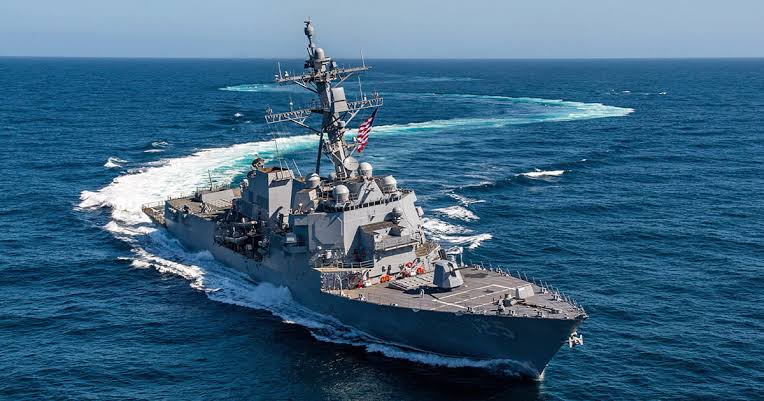
The Justice Department said TransDigm and Stellant compete to manufacture and repair components used in radar systems for the US Navy’s Aegis Combat System and the US Air Force’s F-16 fighter jets.
The proposed acquisition would, according to the department, have left the Department of War with only one source for certain products, increasing supply-chain risks and removing the pricing, quality and resilience benefits associated with competition.
For practitioners, the decision shows why merger analysis in aerospace and defence cannot be limited to the parties’ overall revenue or broad market shares. Solicitors and in-house counsel must identify individual components, repair services, approved suppliers and platform-specific qualification requirements early in the transaction process.
A product line representing a small proportion of the parties’ businesses may still create a serious competition concern where technical approvals, procurement rules or lengthy testing procedures make entry by another supplier impractical.
TransDigm agreed on 30 December 2025 to acquire Stellant, a portfolio company of Arlington Capital Partners, for approximately $960 million in cash. TransDigm subsequently told the Securities and Exchange Commission that completion remained subject to US regulatory approval, while later filings indicated that cash and proceeds from debt issued in April would be used to finance the purchase.
The abandonment therefore creates work extending beyond antitrust advice, including the treatment of acquisition financing, regulatory-condition clauses, termination provisions and funds raised for a transaction that will no longer complete.
Associate Attorney General Stanley Woodward said the Justice Department acted to preserve competition and protect taxpayers and military users. Michael P. Duffey, Under Secretary of War for Acquisition and Sustainment, said the deal would have increased reliance on a single supplier for critical defence components. Supply-chain resilience was therefore treated as a competition issue alongside price, market concentration and supplier choice.
No complaint was filed because TransDigm withdrew after the Justice Department said it would sue to block the acquisition. The Antitrust Division’s intervention centred on the risk that the Department of War would be left dependent on a single supplier for critical radar components.
Counsel advising TransDigm, Stellant Systems and other defence manufacturers will need to assess single-source exposure, regulatory conditions and financing arrangements before agreeing transaction timetables.