
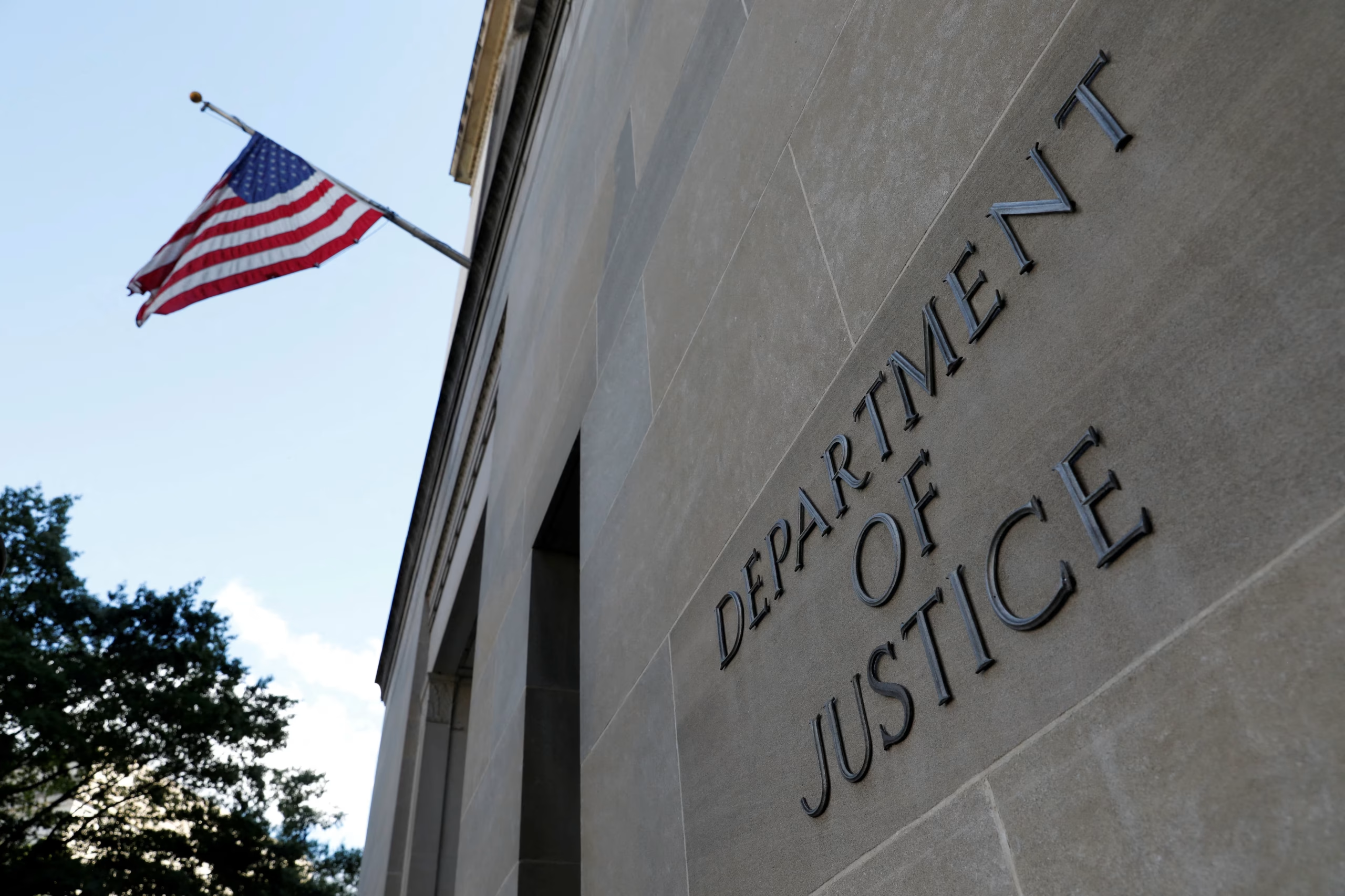
The US Department of Justice sued Maryland on 16 July 2026, challenging state measures that allow some undocumented students to obtain in-state tuition and financial assistance while non-resident US citizens pay higher rates.
The complaint, filed in the US District Court for the District of Maryland, names the State of Maryland, the Maryland Higher Education Commission and the University System of Maryland Board of Regents as defendants. The United States seeks declaratory and injunctive relief preventing enforcement of the disputed statute and regulation. The allegations have not yet been determined by the court.
At the centre of the case is 8 USC § 1623(a), a federal provision addressing post-secondary education benefits granted on the basis of state residence. The Justice Department argues that Maryland Education Code § 15-106.8 and Maryland regulation 13B.07.02.03 conflict with that provision and are pre-empted under the Supremacy Clause.
Maryland enacted the original measure, commonly called the Maryland DREAM Act, in 2011. The complaint says legislation passed in 2019 and enacted in 2020 expanded eligibility, with further amendments made in 2024 and 2026. It also alleges that qualifying students saved nearly $9 million in tuition costs at Maryland community colleges and public universities between summer 2024 and spring 2025.
Associate Attorney General Stanley Woodward and Assistant Attorney General Brett Shumate presented the proceedings as part of a wider federal enforcement programme. According to the Department, this is its thirteenth lawsuit challenging state tuition arrangements of this kind. It points to orders concerning Texas, Kentucky, Oklahoma and Nebraska, including a Fifth Circuit decision in United States v Texas, while related cases remain pending against other states.
The case will turn on the Justice Department’s pre-emption argument, its request for an injunction and the responses from Maryland, the Maryland Higher Education Commission and the University System of Maryland Board of Regents. Lawyers advising universities and other education bodies should review how their policies treat residency, immigration status, tuition rates and financial assistance.
A ruling on 8 USC § 1623(a) and the Supremacy Clause could influence similar proceedings brought by the Justice Department against other states. The decisions concerning Texas, Kentucky, Oklahoma and Nebraska will provide useful points of comparison for law firms representing public universities and state agencies in the Maryland case.