
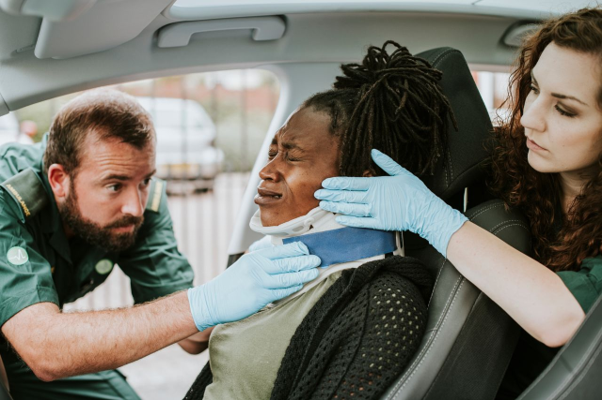
Right after an accident, it’s not uncommon to feel okay. Or at least well enough to dismiss care from paramedics and insist there’s no need for a hospital visit. The truth is that nobody wants to sit in an emergency room for hours over something that might turn out to be nothing, and many people feel embarrassed accepting help when they can still stand, talk, and walk around normally.
Unfortunately, this can be one of the costliest decisions someone makes after a crash, both for their health and for any injury claim they may pursue. What might feel like a minor bump in the moment can turn out to be something far more serious once the shock wears off, and by then the window to document it cleanly has already passed. It’s also often not until later, once a personal injury lawyer in California (also known as an abogado de lesiones personales en California) gets involved, that people realize how much that early decision affects their case.
Shock and Adrenaline Can Hide Pain After an Accident
After a sudden accident, people often experience an overwhelming amount of adrenaline and other stress hormones. That flood of chemicals is designed to help a person react quickly, but one side effect is that it dulls pain signals for a period of time afterward. This means that it’s entirely possible to walk away from a serious accident feeling mostly fine, only to wake up the next morning in a great deal of pain.
This is especially true for:
- Whiplash and other soft tissue injuries, which often don’t cause noticeable pain until swelling sets in over the following day or two
- Concussions and other head injuries, were symptoms like headaches, confusion, or nausea can take hours to appear
- Internal injuries, which sometimes show no visible symptoms at all until they become serious
Due to this delay, refusing treatment based on how someone feels in the first few minutes after a crash isn’t a reliable way to judge whether an injury actually happened. An abogado de lesiones personales en California sees this pattern often: someone declines care at the scene, feels mostly normal for a day or two, and then ends up in urgent care once the adrenaline wears off and the real pain sets in.
Medical Records Create a Link Between the Accident and the Injury
Beyond the health risks, refusing care at the scene creates a documentation gap that can seriously weaken a personal injury claim. Medical records are one of the clearest ways to link an injury directly to the accident. Without that immediate record, an insurance company gets an opening to argue that an injury happened in some other way or wasn’t as serious as claimed.
A same-day or next-day medical visit does a few important things:
- Creates a timestamped record connecting the accident to specific injuries
- Documents visible signs of injury before they have time to heal or fade
- Starts a treatment history that shows consistent, ongoing care
- Gives a doctor the chance to order imaging or tests that catch injuries not visible to the naked eye
Without this record, a claim often comes down to one person’s word against another’s, and insurance companies rarely give the injured person the benefit of the doubt in that kind of situation.
How Do Insurance Companies Leverage Treatment Gaps
Insurance adjusters are trained to look for any gap between an accident and the first medical visit. It doesn’t take a long delay to raise questions. Even waiting two or three days can be flagged during negotiations.
A treatment gap tends to get used in a few specific ways:
- Suggesting the injury isn’t accident-related, or wasn’t serious enough to need immediate care
- Shifting the burden onto the injured person to explain the delay, instead of the insurer having to disprove the injury outright
- Dismissing reasonable explanations, like not wanting to leave a family member alone at the scene, once negotiations begin
- Arguing that a true injury would have led to continuous treatment, not a delayed start
A well-documented visit within a day or two of the accident is one of the simplest ways to make these arguments a non-issue before they ever come up, and an abogado de lesiones personales en California can flag this kind of tactic the moment it shows up in settlement talks.
Symptoms That Are Easily Overlooked
Some of the most serious injuries from car accidents don’t show obvious signs right away. Understanding which ones tend to be delayed can help explain why medical attention matters even when everything feels okay:
- Traumatic brain injuries, including concussions, which can involve subtle symptoms like irritability, memory issues, or trouble concentrating
- Herniated discs, which may not cause pain until inflammation builds up over several days
- Internal bleeding, which can be life-threatening and sometimes shows no outward symptoms until it becomes an emergency
These types of conditions can worsen rapidly if left untreated, so getting checked out isn’t just about protecting a future claim. It’s also about catching something dangerous before it becomes a medical emergency.
A headache that appears minor at first can, in some cases, signal brain bleeding and require immediate attention. There’s no reliable way to tell the difference without a proper evaluation, which is exactly why “wait and see” isn’t a safe strategy after a crash.
What Happens if Care Is Refused and Symptoms Show Up Later
Refusing treatment at the scene doesn’t mean it’s too late to see a doctor afterward. Anyone experiencing pain, stiffness, headaches, or other symptoms in the hours or days following an accident should still seek care as soon as possible. Connecting those symptoms back to the accident gets harder the longer the delay, but it’s rarely impossible.
In that situation, a few things can help strengthen the connection between the accident and the injury:
- Writing down when symptoms first appeared and how they progressed
- Collecting statements from anyone who witnessed the accident and the person’s condition afterward
- Explaining clearly and honestly to the doctor that was treating the accident and why care was delayed
- Taking photos or sending messages to friends or family around the time symptoms began, which can help establish a timeline.
A delayed start to treatment doesn’t mean you’ve lost your case, but it does mean more work to piece together what happened. An attorney can help with that, especially with pulling together records, witness accounts, and messages to build a timeline that holds up.
Why the Date of Injury Matters
California generally gives injured people two years from the date of an accident to file a personal injury lawsuit. When medical care is delayed, and the injury isn’t properly documented until weeks or months later, it can create confusion about when the clock actually started.
A same-day or next-day medical visit helps in a couple of specific ways:
- It ties the injury date directly to the accident date from the outset, eliminating any ambiguity.
- It protects against disputes over deadlines later on, especially in cases involving a slow-developing condition like a herniated disc or a brain injury.
This doesn’t just help with negotiating a settlement. It also prevents deadline disputes from becoming a separate, unnecessary complication in an already difficult situation.
Making the Right Call in the Moment
It’s not always easy to think clearly right after a crash, especially with shock and adrenaline still running high. A couple of key steps can go a long way:
- Accept an evaluation from paramedics on the scene, even if it seems unnecessary.
- Follow up with a doctor within a day or two, even if that initial evaluation seemed to clear things up.
This holds true whether the accident feels minor or serious, since it’s often impossible to tell the difference in the first few minutes.
An attorney can frequently see cases where an early decision to skip medical care ends up complicating an otherwise straightforward claim. Getting evaluated quickly protects both the health of the injured and the ability to hold the at-fault party accountable later. It also removes a question that would otherwise follow the case through every stage of negotiation: why didn’t this person go to the doctor sooner?
Protecting Both an Accident Victim’s Health and a Future Claim
Choosing to see a doctor after an accident isn’t just a legal formality. It can mark the difference between a hidden injury getting caught early and a claim that has to be rebuilt from scratch months later. An injury lawyer in California can help sort through what a treatment gap might mean for a specific case, and what steps can still be taken to strengthen it.
It’s important to consult a skilled personal injury lawyer in California, such as those at Abogados Fuertes, for guidance on how medical documentation affects a claim’s value. Doing so is one of the easiest ways to avoid a settlement being reduced over something as preventable as a delayed doctor’s visit.
Photo Credit: Adobe