
For a family, adopting a new medical diagnosis for its child can be overwhelming. CP affects motor skills, posture and muscle tone and is one of the most prevalent physical movement problems amongst children today. Many cases result from naturally biological issues and genetic issues, others have parents who find out that the health of their child may have been a result of delivery mistakes or birth complications. Cerebral palsy caused by medical negligence requires an understanding of medical standards expected in pregnancy, labour and early postpartum that can lead to this condition, and an understanding of what can be done to help a child’s long-term health and development.
Cerebral Palsy – What is it and How Does It Happen?
Cerebral Palsy, also referred to as CP, is a broad term used for various neurologic disorders that cause difficulties in controlling movements of one’s body. Due to damage to or abnormal development of the regions of the brain responsible for body movements, typically before, during, or shortly after birth. Each child is impacted differently. A few individuals will experience mild stiffness or an unsteady gait, whereas other individuals might require long-term support to enable them with daily activities and movement and communications needs.
| Developmental delay | Where there is a failure to reach motor developmental milestones appropriate for the child’s age, such as infant turning, sitting, crawling, and walking.
|
| Abnormal muscle tone | Where there is excessive stiffness (hypertonia) or reduced stiffness (hypotonia) in muscle tone.
|
| Coordination issues | Where there are uncoordinated movements, spasticity, or difficulty with fine motor coordination. Postural problems: preferring to lean to one side of the body or not being able to sit or stand up straight.
|
Distinguish between “natural causes” and “preventable medical errors”

Sometimes, CP is not caused by medical errors. Indeed, for many cases, the cause is a preventable factor before the baby is born, like the mother’s infection, genetic change and the disruption of the blood vessels during the development process of the unborn baby. But in some cases, there are circumstances that are going to be preventable and where people are not following the standard healthcare procedure is what ends up causing the case.
Most of the time, medical negligence means that a medical professional has not adequately satisfied the “standard of care” which they should, and it directly causes an injury. While giving birth and after the baby is born, minor errors could cause complications if the baby’s brain is deprived of oxygen for too long.
The ways in which medical errors can result in birth-related brain injury occur as follows:
It’s important to keep track of both the mother and baby throughout the delivery process. If warning signs are missed or are not treated effectively, the infant can develop hypoxic-ischemic encephalopathy (HIE) or malfunctioning of the brain due to lack of oxygen and blood flow.
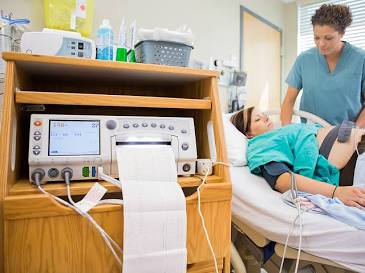
Failure to Monitor Fetal Heart Rate: There is electronic fetal monitoring to look for sign of distress. If not addressed, rates of prolonged oxygen deprivation can occur.
Late emergency response: In case of emergencies such as the prolapse of the umbilical cord, placenta abruption, or uterine rupture, it is necessary to ensure that surgery is done promptly (cesarean section).
Improper use of obstetric tools: Forceps and vacuum extractors are to be used with great care. Trauma might occur if the baby’s skull and brain tissue get affected due to excessive pressure or improper placement.
Neonatal infections (such as meningitis), severe jaundice with kernicterus, and other complications that occur after birth can make it more likely that the newborn’s brain is damaged if treatment is not immediate.
Frequently Asked Questions (FAQ):
But what does birth defect vs. birth injury imply?
Birth defects generally develop while a baby’s growth is inhibited by environmental conditions and/or genes present to the fetus. A birth injury occurs when the baby suffers an injury during the birth and the labor process, which may be caused by some mechanical injury, or lacking oxygen.
From the medical point of view, is Cerebral palsy my child’s fault?
The medical history during prenatal, labor/delivery, and post-postpartum (PP) phase of the medical literature should be studied in detail by independent experts in both obstetrics and pediatric neurology who have enough expertise to figure out the exact cause.
Is there any treatment for cerebral palsy?
It is an irreversible disease and thus lifelong. Early diagnosis and treatment along with the use of assistive devices enable the child to live independently and lead a good life.
Conclusion
Cerebral palsy is a complex condition, and each child is impacted in his or her own unique way. While there are numerous non-medical, natural and unavoidable risk factors present in the development of CP, families affected by CP should be fully aware of the role played by delivery complications, and normal medical care. When children with cerebral palsy have access to appropriate medical, developmental and legal services and guidance from experienced firms like: Salvi, Schostok & Pritchard P.C. they have the support and services they need for a thriving life.