
Apple has been ordered by a US jury to pay more than $5.7 billion to San Diego-based Taction Technology after jurors found that the iPhone maker infringed two patents covering haptic-feedback technology.
The federal jury awarded Taction $5,721,961,750 after concluding that Apple’s Taptic Engine infringed claims in US Patent Nos. 10,659,885 and 10,820,117.
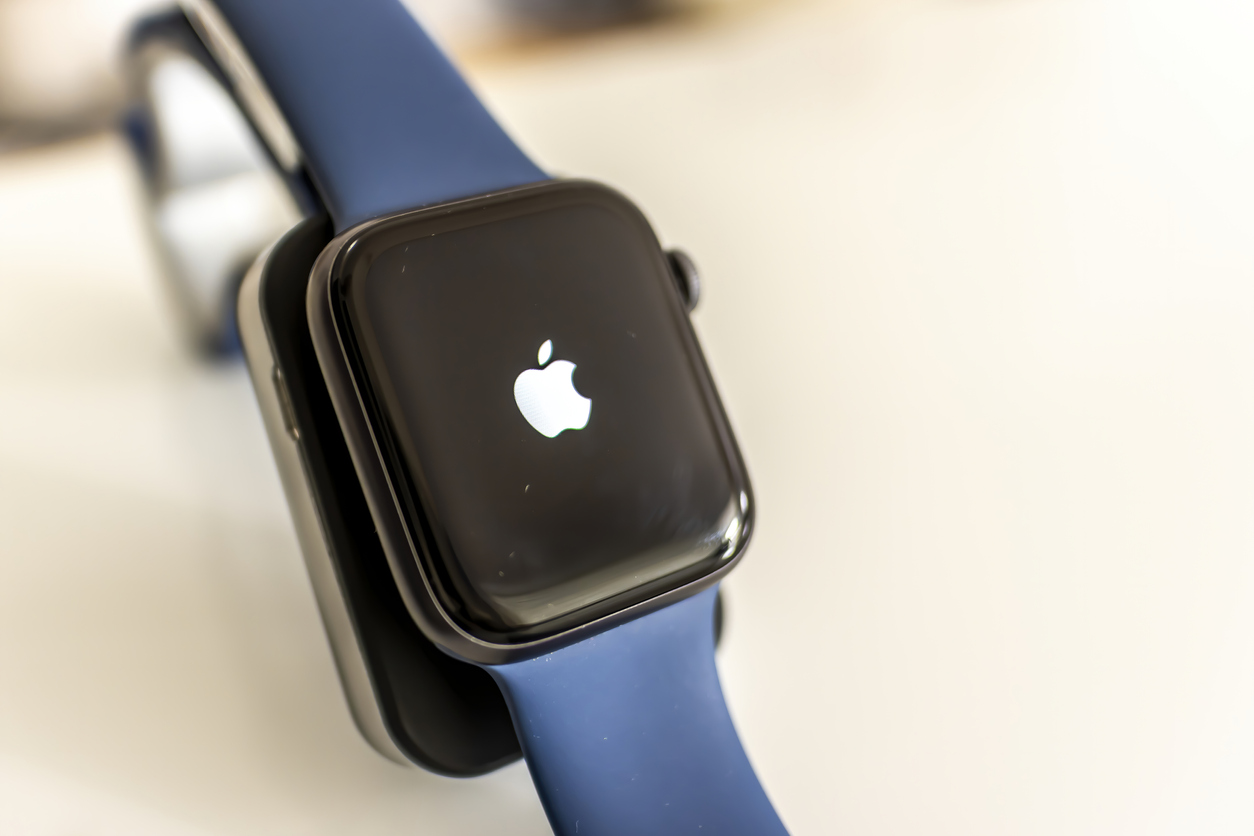
The Taptic Engine creates the tapping and vibration sensations used in iPhones and Apple Watches.
The verdict is the largest US patent damages award reported to date.
Apple has said it will appeal.
The company disputes both infringement and the validity of Taction’s patents and maintains that the Taptic Engine was independently developed and fundamentally different from Taction’s technology.
Taction, which develops haptic technology used in products including headphones and gaming headsets, filed the lawsuit against Apple in 2021.
The jury found Kioxia Owes Viasat $229m in Patent Verdict | Lawyer Monthly but concluded that Apple’s conduct was not wilful.
That distinction is significant because US patent law can permit enhanced damages of up to three times the amount assessed in exceptional cases involving particularly serious infringement. A finding that infringement was not wilful removes one potential basis for seeking such an enhancement.
The litigation has already travelled through the appellate courts.
In 2023, the US District Court for the Southern District of California granted Apple summary judgment of non-infringement.
Taction appealed.
In August 2025, the US Court of Appeals for the Nike, Lululemon End Mirror Patent Dispute | Lawyer Monthly vacated that judgment and returned the case to the district court for further proceedings.
The Federal Circuit concluded that the district court had erred in parts of its infringement analysis, allowing Taction’s claims to proceed.
The case then reached a jury, producing the $5.7 billion verdict now facing Apple.
For patent litigators, the procedural history demonstrates how significantly the outcome of a case can change following appellate review.
A summary judgment that appears to dispose of infringement can be reopened where the Federal Circuit concludes that the lower court applied an incorrect legal or evidentiary approach.
The scale of the damages award also reflects the commercial significance of patents covering technology incorporated across large volumes of consumer devices.
Apple sells hundreds of millions of iPhones and other devices, meaning a technology representing only one component of a finished product can generate substantial damages exposure if infringement is established across years of sales.
The jury verdict does not necessarily represent the amount Apple will ultimately pay.
Apple can ask the trial judge to alter or set aside aspects of the verdict through Kioxia Owes Viasat $229m in Patent Verdict | Lawyer Monthly and can challenge the result at the Federal Circuit.
Damages awards can be reduced, new trials can be ordered and infringement findings can be overturned depending on the legal and evidentiary issues raised after trial.
Apple has already made clear that it intends to appeal.
The company said Taction’s own testing showed that Apple’s Taptic Engine was fundamentally different from the patented technology and maintained that it does not use Taction’s inventions.
Taction has welcomed the verdict, saying the jury vindicated its patent rights.
The dispute therefore remains active despite the size of the award.
For technology companies, the case demonstrates the potentially enormous financial consequences of patent disputes involving components used across mass-market products.
For patent owners, it illustrates how rights covering relatively specialised technology can become extremely valuable once that technology is alleged to be incorporated into devices sold at global scale.
Apple’s post-trial challenges and expected appeal will now determine whether the record verdict survives further judicial review.