
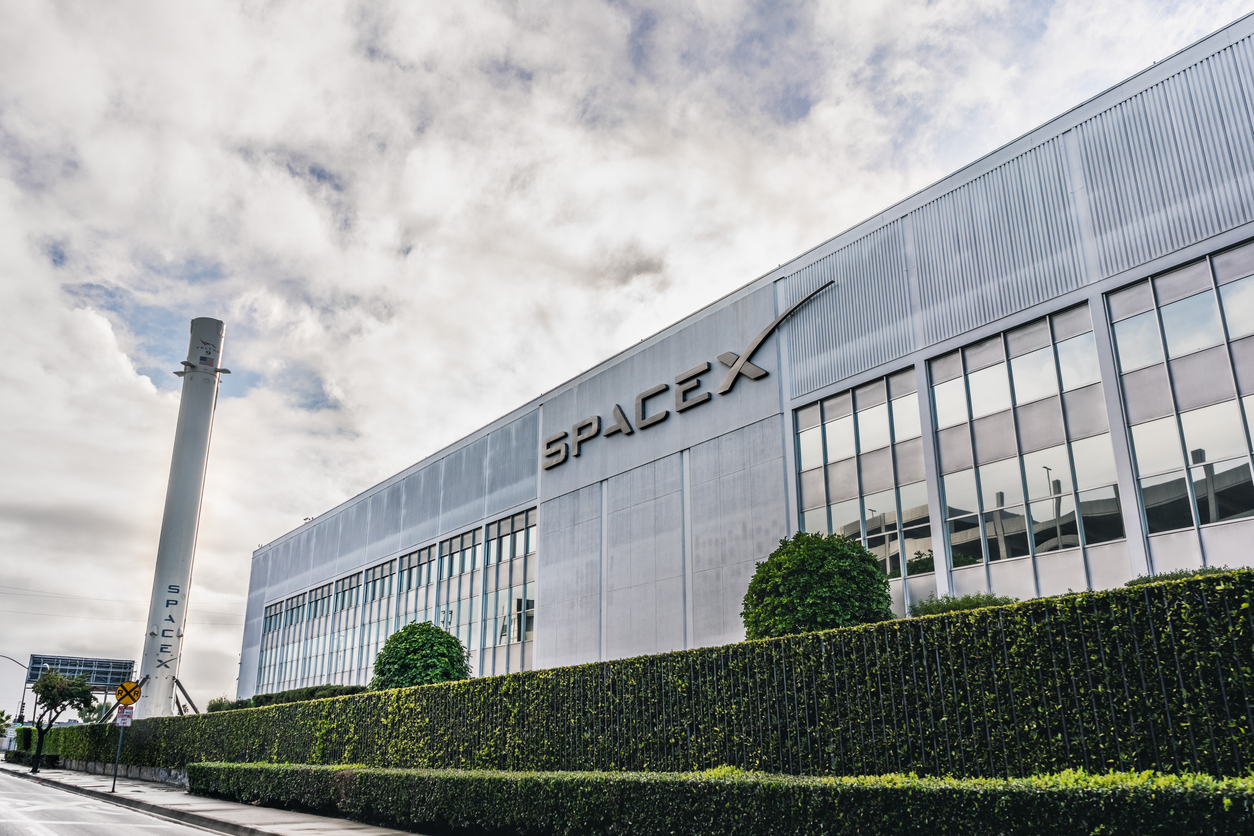
A US federal judge has refused to block a land exchange between the US Fish and Wildlife Service and SpaceX in South Texas, allowing the transaction to proceed while environmental and conservation groups continue their legal challenge.
US District Judge Fernando Rodriguez Jr. denied a preliminary injunction sought by the Center for Biological Diversity, Save RGV, the Carrizo/Comecrudo Nation of Texas and the South Texas Environmental Justice Network.
The exchange involves approximately 715 acres of federal land within the Lower Rio Grande Valley National Wildlife Refuge being transferred to SpaceX. In return, the government will receive approximately 683 acres of SpaceX-owned land for federal conservation holdings.
Parts of the federal property lie within the Palmito Ranch Battlefield National Historic Landmark and also have environmental, cultural and religious significance.
The Fish and Wildlife Service says the exchange will reduce fragmented land ownership and improve management of the refuge. The land being acquired from SpaceX includes coastal marsh, tidal flats, saline prairie and thornscrub habitat, with substantial acreage adjoining the Laguna Atascosa National Wildlife Refuge.
The conservation groups sought a CNN, MS NOW and Politico Sue Over White House Press Ban – Lawyer Monthly preventing the transaction while their underlying lawsuit continues. They argued that transferring the federal property to SpaceX could damage wildlife habitat and areas of historical and cultural importance.
Judge Rodriguez concluded that they had not satisfied the requirements for emergency relief.
At the preliminary-injunction stage, the plaintiffs were required to demonstrate a sufficient basis for Article III standing, including a concrete and imminent injury. The court found they could not rely on loss of access to the exchanged property because the relevant federal parcels were already legally closed to the general public.
Some members of the groups also said they observe wildlife on the property from surrounding areas and argued that planned SpaceX development would diminish its aesthetic and recreational value.
The court recognised that observing wildlife from adjoining land can support standing. However, it found insufficient evidence that SpaceX’s proposed activity would cause the concrete and imminent harm claimed by the plaintiffs.
That same evidentiary problem affected the request for a preliminary injunction. Rodriguez found that the groups had not demonstrated that their members, or the property itself, were likely to suffer irreparable harm while the lawsuit remained pending.
SpaceX intends to expand its Massey Test Site and construct an additional access road after obtaining the required approvals. The company argued that delaying the exchange would create uncertainty around its development plans and its ability to meet contractual and operational milestones.
The court also found that the balance of equities and public interest weighed against granting an injunction. While recognising the public interest in protecting wildlife and historic land, Rodriguez pointed to evidence from the Fish and Wildlife Service that the exchange would reduce fragmentation and increase protected holdings associated with the Laguna Atascosa refuge.
The ruling does not determine whether the Fish and Wildlife Service ultimately complied with every federal legal requirement governing the transaction. It decides only that the plaintiffs had not made the showing necessary to stop the exchange through a preliminary injunction.
That distinction is important for RWE Dogger Bank South Judicial Review — Lawyer Monthly. Establishing concern over potentially sensitive land is not enough by itself to obtain emergency relief. Plaintiffs must demonstrate a concrete injury linked to the challenged action and provide evidence that irreparable harm is sufficiently likely before the merits can be decided.
The case also illustrates the importance of the administrative record in defending government land transactions. California Signs Seven New Data Centre Laws | Lawyer Monthly, habitat comparisons and evidence concerning the management benefits of an exchange can become central when courts weigh both alleged harm and the public interest.
The underlying lawsuit can continue. For now, however, the September 21 ruling removes the immediate legal obstacle to the Fish and Wildlife Service completing its South Texas land exchange with SpaceX.