
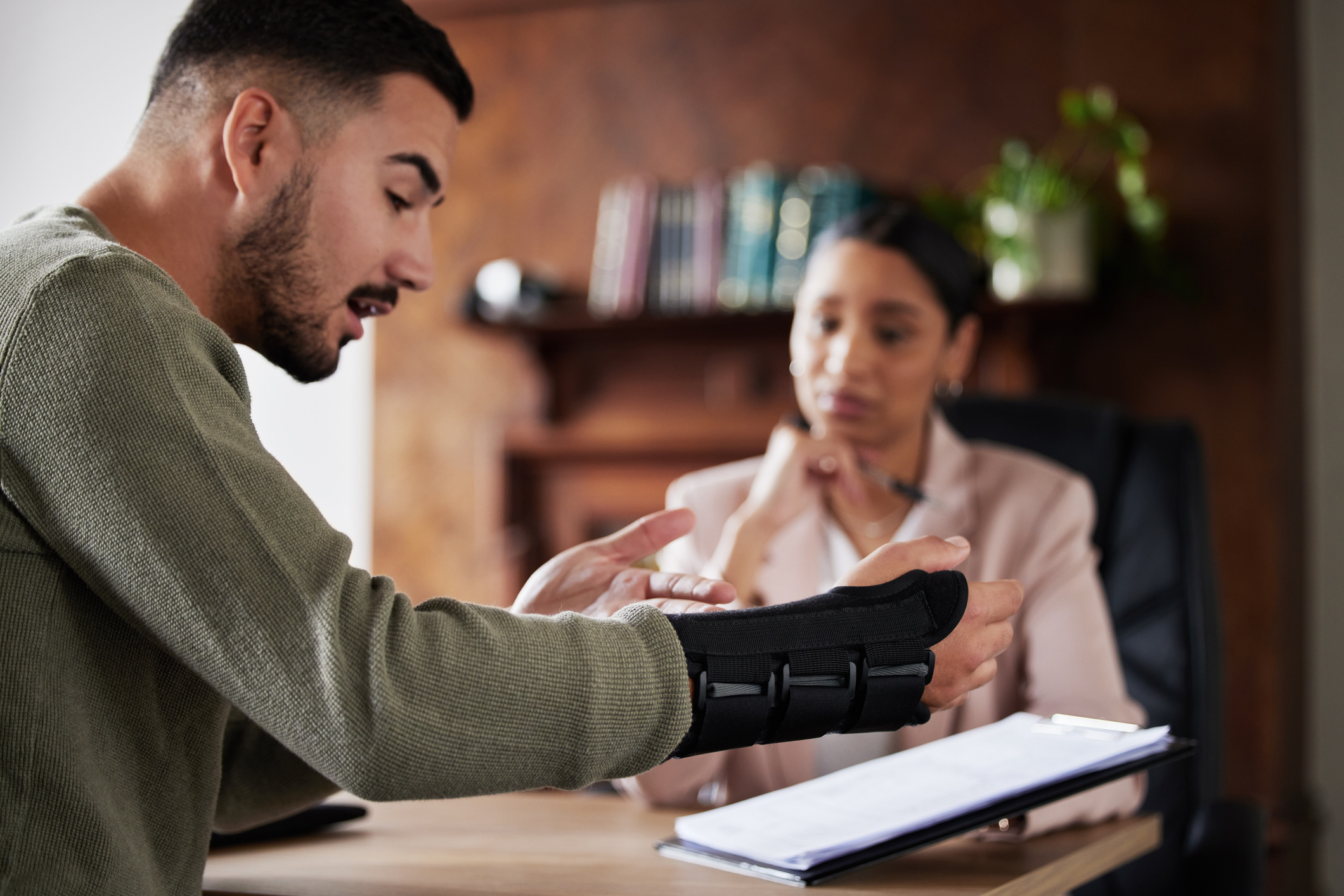
Massachusetts has a diverse legal and economic landscape, with busy cities, extensive transportation networks, workplaces, and communities where accidents can have serious consequences. When an injury is severe, the challenges often extend beyond medical treatment, affecting a person’s ability to work, manage responsibilities, and plan for the future. Pursuing compensation in these circumstances can become complicated when liability is disputed, the extent of the harm is questioned, or an insurer pushes for an early resolution.
The quality of legal representation can make a meaningful difference, particularly when a case requires detailed investigation, strong evidence, and the ability to present it in court. Earley Law Group personal injury lawyers can help clients approach serious injury claims with thorough preparation and a clear focus on protecting their interests.
Preparation Begins With Evidence
Early investigation protects evidence that can disappear. Accident scenes change, vehicles get repaired, surveillance footage gets erased, and witnesses forget important details. Counsel should quickly identify available evidence, preserve records, obtain photographs, and locate witnesses before memories become less reliable.
Liability Requires a Clear Theory
A serious injury case needs a specific explanation of what happened and why another party is legally responsible. That theory should connect the conduct, the injury, and the available proof without relying on assumptions. For example, a vehicle collision claim can involve traffic records, photographs, damage patterns, witness statements, and medical documentation. A premises claim can require inspection records, maintenance policies, photographs, and evidence of prior notice. Each fact must support the same liability theory.
Damages Need More Than Bills
Medical bills reflect financial losses, but they do not capture the full impact of a serious injury. A complete damages case documents treatment, physical restrictions, pain, emotional effects, lost income, and changes to daily activities. Medical evidence should explain the injury, the required care, the expected recovery, and any future limitations. Employment records can establish missed work and reduced earning capacity. Testimony from family members, coworkers, and treating providers can show how the injury changed ordinary routines.
The legal team also needs to separate accident-related conditions from unrelated medical history. That distinction requires accurate records and consistent testimony. A trial-ready file addresses those questions before the opposing side frames the claimant’s health as the primary cause of ongoing problems.
Depositions Test Case Strength
Depositions give opposing counsel an opportunity to question the injured person, witnesses, and medical providers under oath. The answers become part of the record and can affect settlement discussions or trial testimony. Preparation should cover the accident sequence, symptoms, treatment history, work limitations, prior injuries, and statements made after the event. The claimant must answer truthfully, listen carefully, and avoid guessing. Counsel should also identify questions that expose contradictions or unsupported defense arguments.
Trial Preparation Improves Settlements
Insurance carriers assess whether a personal injury lawyer is prepared to present evidence in court. They consider the quality of the liability theory, the proof of damages, witness credibility, and the lawyer’s willingness to proceed beyond negotiations. A trial-ready case gives both sides a clearer basis for evaluating risk. Counsel can explain why a demand reflects documented losses and how the evidence supports responsibility. The insurer must then account for the possibility of an unfavorable verdict, litigation costs, and public courtroom scrutiny.
Client Decisions Need Clear Advice
Serious injury cases often involve medical uncertainty, unpaid bills, missed income, and pressure from insurers. Clients need direct explanations about evidence, deadlines, risks, and settlement terms. Counsel should explain what an offer pays, which losses remain unresolved, and how liens or outstanding bills affect the final recovery. The client also needs time to consider the decision without pressure. Clear communication reduces avoidable mistakes during a stressful period. Trial-ready representation keeps the client involved while handling legal tasks that require professional judgment. The lawyer investigates, prepares evidence, counters defense tactics, and explains significant developments as the case progresses.
Conclusion
Trial-ready counsel matters because serious injury claims face greater scrutiny when the stakes are high. A lawyer who prepares evidence, tests witnesses, documents future losses, and evaluates settlement offers creates a clearer path for decision-making. The practical next step is to ask prospective counsel how the case would be prepared if negotiations failed. Specific answers about the investigation, proof of damages, depositions, and trial strategy reveal whether the representation is built for a fair result rather than a quick resolution.