
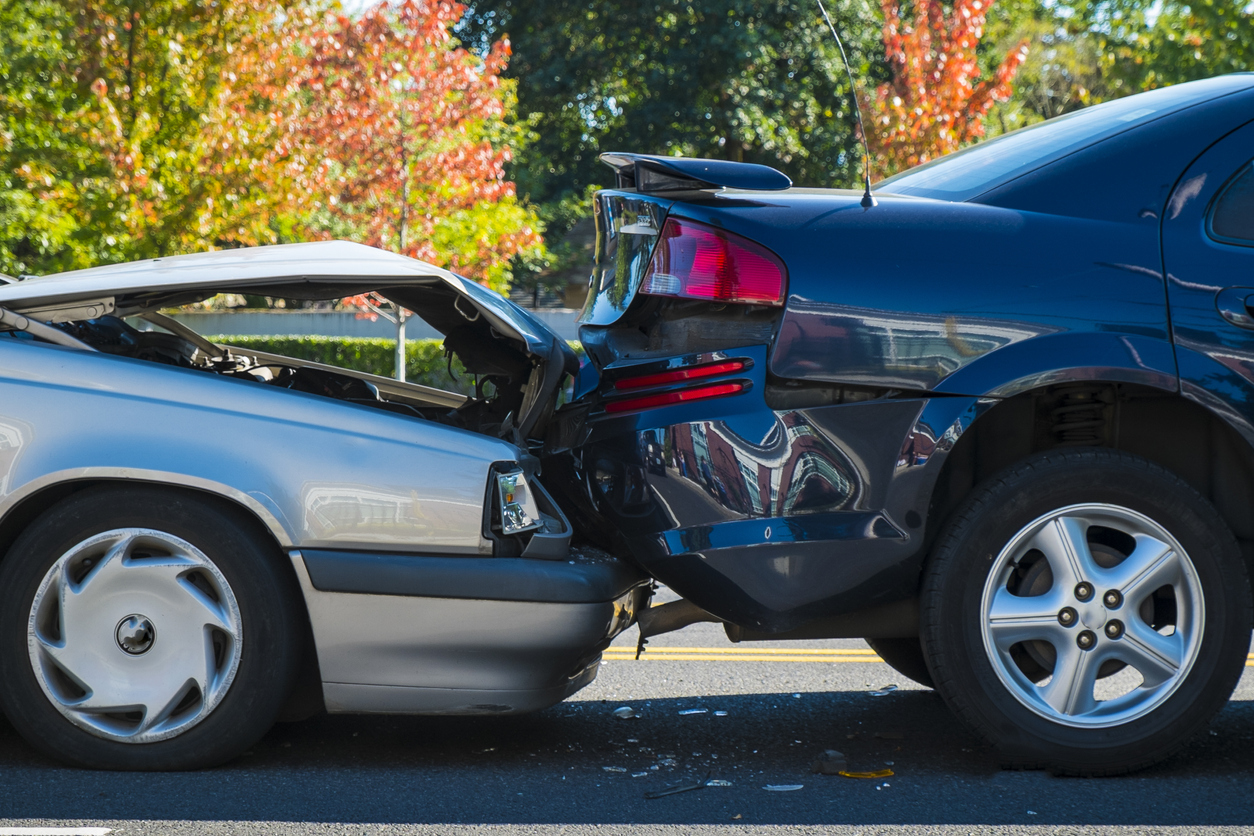
A car crash in Georgetown, Texas, is not always as simple as pointing to one driver and saying, “That person caused it.” A motorist may have turned left when it was unsafe, while the other vehicle was coming through an intersection too quickly. One driver may have been changing lanes, but the other may have been distracted. When both sets of actions played a part, the question becomes one of shared fault.
For people injured in a Georgetown collision, checking the information on https://www.sharpfirm.com/georgetown-tx-car-accident-lawyer/ can help explain how Texas comparative responsibility rules may affect a personal injury claim. The Sharp Firm represents clients in car accident and other personal injury matters in Georgetown and throughout Central Texas, including Austin, Round Rock, Cedar Park, and San Marcos. A driver does not have to be completely blameless to have a claim, but the driver’s percentage of fault can reduce or eliminate a recovery.
Two Drivers, One Crash
Consider a simple example. A driver turns left across traffic and gets hit by an oncoming car. At first glance, the turning driver looks responsible. Then investigators learn the approaching vehicle was traveling well above the speed limit. That speed may have reduced the time available to avoid the collision.
The same issue can arise in a rear-end crash, a merge, or a sideswipe. A vehicle may have stopped suddenly, but the following driver may also have been too close to react safely.
How Texas Handles Shared Responsibility
Texas uses a modified comparative responsibility system. Under Section 33.001 of the Texas Civil Practice and Remedies Code, a claimant whose responsibility is greater than 50% cannot recover damages. When the claimant is 50% responsible or less, Section 33.012 requires the damages to be reduced by that percentage.
Suppose an injured driver proves $90,000 in damages. A finding of 20% responsibility would reduce that amount by $18,000, leaving $72,000 before other applicable adjustments. At 51%, the claimant would be barred from recovery under Section 33.001. That is why a disagreement over fault can have a real financial effect.
Where Does the Fault Percentage Come From?
An insurance adjuster may offer an opinion about responsibility during settlement talks. That percentage is not the same thing as a court’s final determination.
If a case goes to trial, the factfinder assigns percentages based on the evidence. Texas law allows responsibility to be considered for the claimant, defendants, settling parties, and properly designated responsible third parties when the evidence supports doing so.
A police report can be useful without being the final answer. The report reflects what officers learned at the scene; later evidence may add details that were not available that day.
The Details Can Matter
In an intersection crash, traffic-light timing may matter. So might a store camera or footage from a vehicle’s dashcam. In a lane-change collision, photographs of road markings and damage to each vehicle may be more useful.
Witnesses can fill in gaps. Someone near a business may have seen which car entered the intersection first. Another driver may have noticed a vehicle weaving between lanes just before impact.
Keep photographs, witness contact information, the crash report, repair estimates, medical records, and insurance correspondence. If something in the report is wrong, identify the exact statement and gather information that supports your version.
What If the Insurer Says You Were Partly Responsible?
An adjuster may say an injured driver was partly responsible because of speed, following distance, lane position, or another issue. Ask what supports the proposed percentage. Is there video, a witness statement, or damage evidence that backs up the account?
A disputed percentage can change the value of a claim, so it should be tied to actual evidence rather than accepted simply because an insurer says it is appropriate.
Looking at the Whole Collision
For someone hurt, shared fault does not automatically mean there is no case. One driver’s mistake can exist alongside another driver’s contribution, and Texas law gives those percentages financial consequences.
The useful question is not simply, “Who was at fault?” It is, “What did each person do, and how much did those actions contribute to the crash?” That distinction can make a substantial difference when an injured driver is seeking compensation.