
President Donald Trump’s executive order restricting diversity, equity and inclusion (DEI) activities among federal contractors can remain in effect after a US federal judge rejected a request to block its implementation.
US District Judge Adam Abelson in Baltimore, Maryland, denied a request for a preliminary injunction, finding that the organisations challenging the order had not demonstrated sufficient grounds for preliminary relief while their lawsuit continues.
The ruling does not resolve the constitutional challenge or determine that the executive order is lawful in all respects.
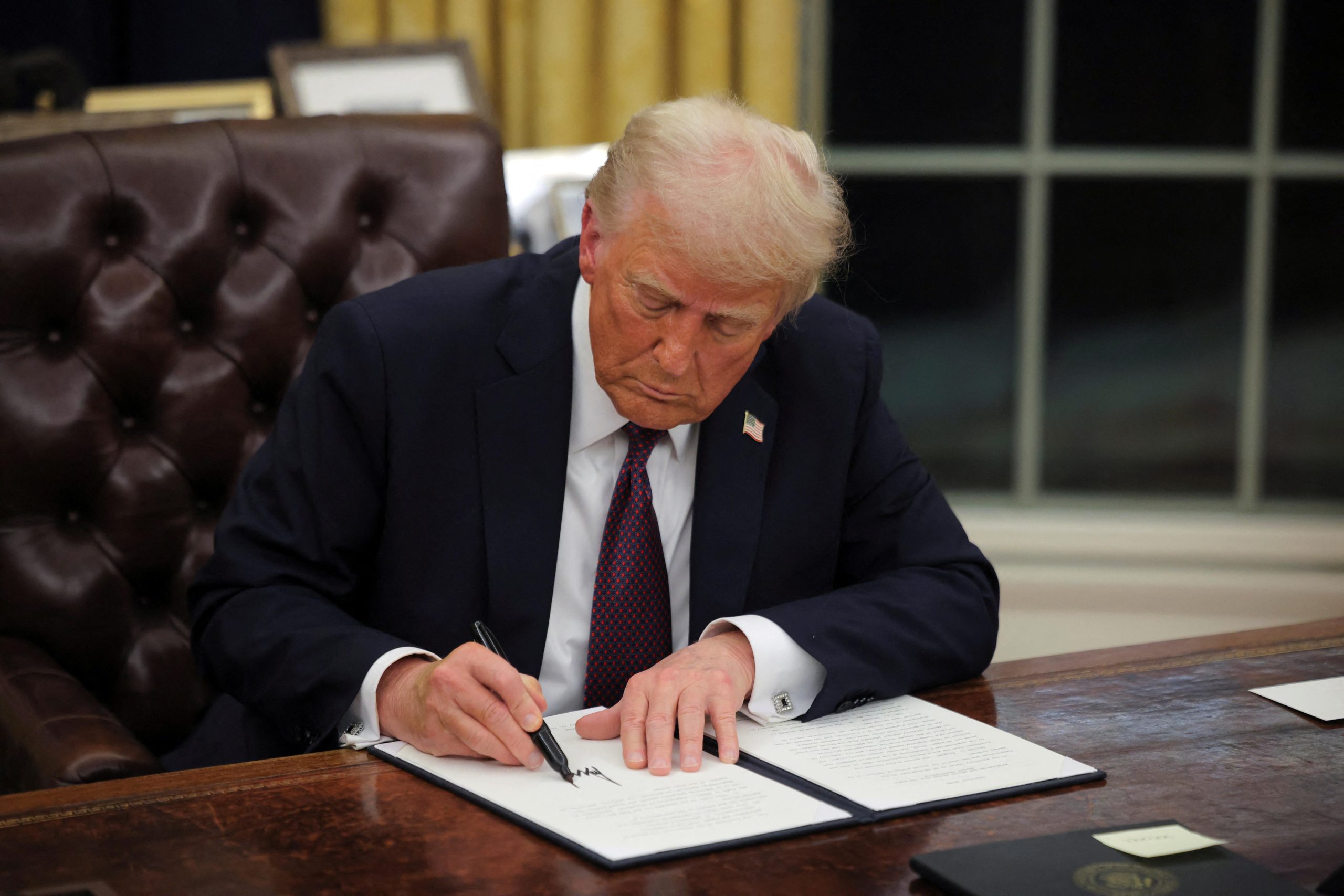
The dispute concerns Executive Order 14398, Addressing DEI Discrimination by Federal Contractors, signed by Trump on 26 March 2026.
The order requires relevant federal contracts to include provisions restricting what the administration describes as racially discriminatory DEI activities and requiring contractors to comply with applicable anti-discrimination law.
Contractors that breach relevant provisions could face consequences including termination or suspension. The order also contemplates False Claims Act enforcement where the statutory requirements for liability are satisfied.
The lawsuit was brought by organisations representing university faculty and minority business owners, which argued that the administration’s approach threatened lawful diversity programmes and constitutionally protected expression.
The plaintiffs contended that the restrictions could expose contractors to enforcement action even when their diversity initiatives complied with existing civil rights legislation.
They also challenged guidance implementing the order and argued that uncertainty surrounding the government’s requirements could discourage organisations from maintaining lawful diversity and inclusion programmes.
Judge Abelson, however, adopted a narrower interpretation of the executive order.
He concluded that its restrictions concern intentional discrimination based on race or ethnicity rather than DEI programmes generally.
Under that interpretation, the order does not impose a blanket prohibition on workplace diversity initiatives or prevent federal contractors from maintaining programmes that comply with existing anti-discrimination law.
The court also considered the scope of the government’s contractual requirements.
The restrictions apply to work performed under federal contracts containing the relevant provisions rather than automatically extending to every activity undertaken by a contractor.
That distinction is significant for companies that perform government work while also maintaining substantial private-sector operations.
The plaintiffs are represented by Democracy Forward, a legal advocacy organisation involved in challenges to several Trump administration policies.
Following the ruling, the organisation said the court’s interpretation provided reassurance that contractors were not subject to a general prohibition on DEI activities.
The decision comes amid continuing litigation over the administration’s efforts to restrict diversity programmes across federal agencies and government contracting.
A separate lawsuit brought by 19 Democratic-led states and Washington, DC, is challenging the administration’s approach to incorporating the requirements into federal contracts.
The wider legal dispute raises questions concerning executive authority, federal procurement rules, constitutional protections and existing civil rights legislation.
For federal contractors, the immediate issue is determining which activities fall within the executive order’s restrictions and how compliance obligations interact with existing employment and procurement requirements.
The possibility of False Claims Act enforcement adds another consideration because certifications concerning compliance with government contract conditions can create significant legal and financial exposure where the statutory requirements for liability are met.
However, the latest ruling does not establish that DEI programmes generally are unlawful or finally resolve the constitutional challenges to the administration’s policy.
Instead, it allows implementation of the order to continue under the narrower interpretation adopted by the court while the litigation proceeds.
The eventual outcome could influence how federal agencies enforce anti-discrimination requirements in government contracts and how businesses structure compliance programmes when competing for federal work.