
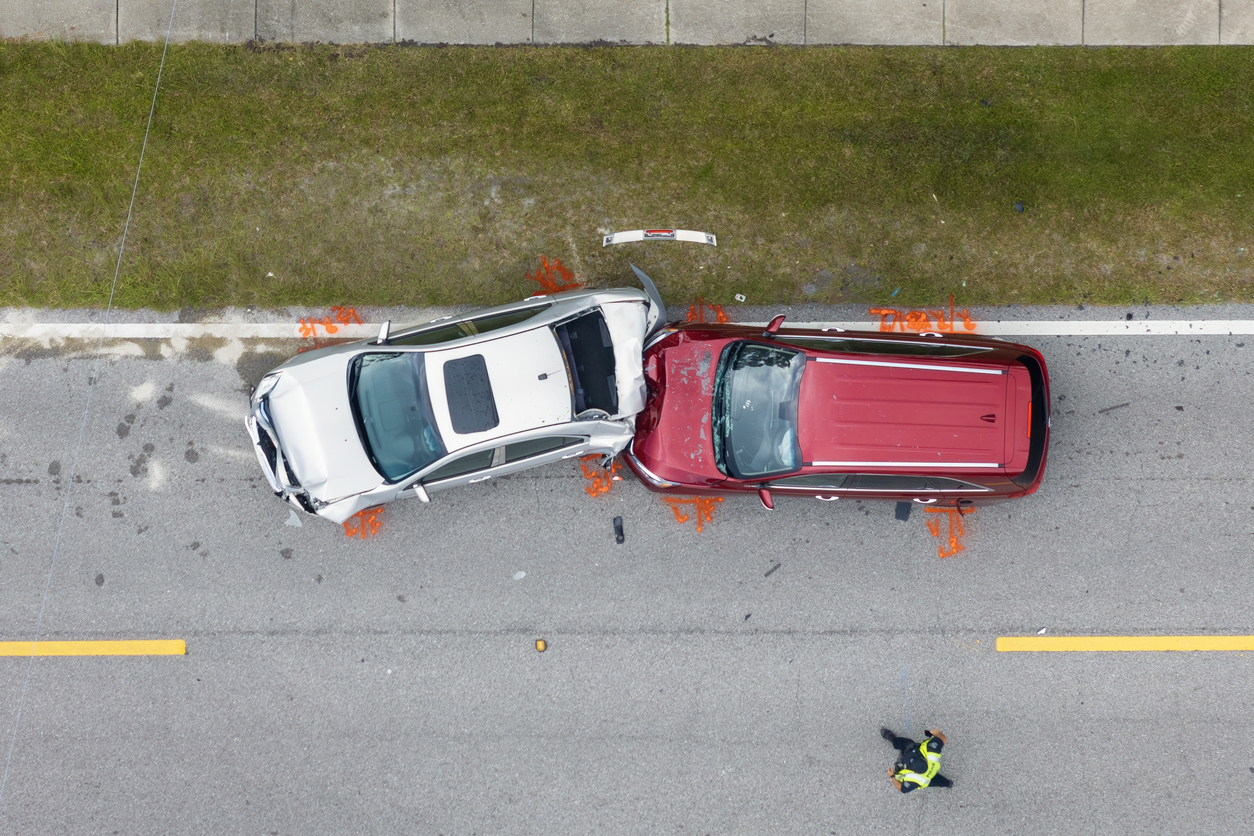
A collision caused by an impaired driver can leave a person dealing with far more than vehicle damage. Medical treatment, missed work, insurance calls, rehabilitation, and uncertainty about the future can quickly become part of everyday life. In serious cases, the consequences may include permanent disability, long-term care needs, or the loss of a family member. Georgia law gives injured people the ability to pursue a civil claim for losses caused by another driver’s negligence. A criminal DUI investigation and a civil injury claim are separate matters, so the outcome of one does not automatically determine the other. Understanding that distinction can make a significant difference when deciding what evidence to preserve and how to approach an insurance claim.
Why Impaired-Driver Crashes Can Create More Complicated Claims
A standard traffic collision may center on questions such as who had the right of way, who was speeding, or which driver failed to maintain control. An alcohol-related collision can involve another layer of evidence. Police may investigate the driver’s behavior, field sobriety testing, chemical testing, statements made at the scene, and other circumstances surrounding the suspected impairment. Those records may become relevant to a later civil claim, although their legal significance depends on the facts and the rules governing the particular case.
The distinction between criminal and civil proceedings is important. A prosecutor may pursue charges against the driver, while an injured person may separately seek compensation for medical expenses, lost income, property damage, pain and suffering, and other legally recoverable losses. That means an injured person should not assume that a criminal case automatically compensates the victim. The civil claim has its own procedures, evidence requirements, deadlines, and potential defendants.
What an Atlanta Drunk Driving Accident Lawyer May Investigate
After a serious collision, the strongest evidence can disappear surprisingly quickly. Traffic-camera footage may be overwritten. Vehicles can be repaired or moved. Witnesses may become difficult to locate. Memories can also change as time passes. For that reason, investigation is often one of the most important parts of an impaired-driving injury case.
A legal team reviewing the circumstances may examine:
- The police crash report and citations issued after the collision.
- Available DUI testing, toxicology, or chemical-test records.
- Photographs, videos, dashcam recordings, and surveillance footage.
- Statements from passengers, witnesses, first responders, and other drivers.
- Vehicle damage, crash-scene evidence, and accident reconstruction information.
- Medical records connecting the injuries to the collision.
- Employment records documenting missed work or reduced earning capacity.
- Insurance policies and available liability or uninsured-motorist coverage.
The goal is not simply to establish that the other driver had been drinking. The evidence must help establish the legal elements of the civil claim, including negligence, causation, and the damages resulting from the crash.
What Compensation May Be Available After a DUI Collision
The value of an injury claim cannot be determined from the police report alone. Two people involved in the same crash can have very different injuries, medical needs, employment consequences, and long-term limitations. Depending on the circumstances, recoverable damages may include economic and noneconomic losses.
Common categories can include:
| Potential Loss | What It Can Involve |
| Medical expenses | Emergency care, hospitalization, surgery, medication, rehabilitation, and follow-up treatment |
| Lost income | Wages lost because injuries prevented the person from working |
| Future earning capacity | Reduced ability to earn income because of lasting impairment |
| Property damage | Vehicle repairs or other accident-related property losses |
| Pain and suffering | Physical discomfort and the effects of the injury on daily life |
| Loss of normal activities | Restrictions that interfere with ordinary activities and relationships |
| Wrongful death damages | Certain losses suffered by surviving family members when a fatal crash occurs |
The documentation supporting these losses matters. Medical bills, treatment records, employment information, repair estimates, photographs, and other records can help establish the financial and personal impact of the collision.
How Georgia Comparative Fault Can Affect an Injury Claim
One issue that is sometimes overlooked is comparative fault. Georgia law generally requires the factfinder to consider the percentage of fault attributable to the injured person and other parties who contributed to the injury. The plaintiff’s damages can be reduced according to the plaintiff’s percentage of fault. Georgia law also provides that a plaintiff who is 50 percent or more responsible for the claimed injury or damages is not entitled to recover damages under the statute.
This makes the facts surrounding the collision important. For example, an impaired driver may have caused the crash, but an insurer could still argue that the injured driver contributed to the collision by speeding, making an unsafe maneuver, or failing to take reasonable precautions. Whether such an argument is supported by the evidence is a case-specific question.
When Punitive Damages May Become an Issue
Punitive damages are different from compensation for medical bills, lost wages, and other ordinary injury losses. Their purpose under Georgia law is related to punishment and deterrence in circumstances involving specified aggravating conduct. Georgia law specifically addresses situations in which a person was driving under the influence to a degree that substantially impaired judgment. Georgia appellate decisions have also recognized impaired driving as conduct that can support consideration of punitive damages in appropriate automobile-collision cases.
That does not mean every DUI crash automatically produces a punitive-damages award. The facts and applicable law still matter. Evidence concerning the driver’s conduct, the circumstances of the collision, and potentially relevant prior conduct can become important when punitive damages are actually at issue. A lawyer handling the claim should evaluate the available evidence before making conclusions about whether such damages can be pursued.
Insurance Companies May Examine More Than the Crash Report
After a collision, an insurance adjuster may request information about injuries, treatment, employment, medical history, and the circumstances of the accident. Some requests may be routine, while others can become significant to the value or defense of a claim. A settlement offer also requires careful evaluation. An early offer may cover some immediate expenses without accounting for future treatment, continuing symptoms, reduced earning capacity, or other losses that have not yet become clear. This is particularly important when an injury requires months of treatment or may have permanent consequences.
Insurance coverage also deserves attention when the responsible driver has limited or no available liability insurance. Georgia law contains provisions governing uninsured motorists coverage, making the injured person’s own policy potentially relevant in certain circumstances. The exact coverage available depends on the policy language, accident facts, and applicable Georgia law.
What Evidence Can Strengthen an Impaired-Driver Case
Strong claims are usually built from multiple pieces of evidence rather than one document. A photograph may show vehicle damage. A medical record may establish the injury. A police report may document what officers observed. A witness may describe the driver’s behavior immediately before the crash. For someone seeking an Atlanta drunk driving accident lawyer, this evidence can help establish what happened and support the legal claim.
Surveillance footage may help establish how the collision occurred. When those pieces fit together, they can create a clearer picture of what happened. People involved in a serious collision should preserve photographs, medical records, repair documentation, insurance correspondence, and information about witnesses. They should also keep track of appointments, treatment, work absences, and other consequences caused by the injury.
What to Do After an Atlanta Impaired-Driver Crash
The first priority after a collision is safety and appropriate medical care. Once immediate concerns have been addressed, preserving useful information can become important.
A practical approach includes:
- Obtain medical evaluation for injuries, including symptoms that appear after the collision.
- Report the crash to the appropriate authorities and keep available documentation.
- Photograph vehicles, visible injuries, roadway conditions, and relevant surroundings when it is safe to do so.
- Preserve contact information for witnesses.
- Keep records of medical treatment, expenses, missed work, and communications with insurers.
- Avoid guessing about fault when speaking about the collision.
- Do not assume an insurance settlement is adequate simply because it arrives quickly.
- Discuss significant injury claims with a qualified Georgia personal injury attorney before important legal deadlines expire.
These steps do not guarantee a particular result. They simply help preserve information that may become relevant later.
The Two-Year Deadline Deserves Early Attention
Georgia generally requires personal-injury actions to be filed within two years after the right of action accrues, subject to statutory exceptions. That deadline makes early legal review important, especially when an injury is serious or liability is disputed.
Waiting until the final months can make investigation more difficult and may leave less time to address disagreements with an insurer or prepare litigation. Wrongful-death claims and other types of cases can involve different rules and deadlines. Because exceptions and special circumstances exist, the applicable deadline should be evaluated based on the facts of the individual case rather than relying only on a general rule.
Criminal DUI Charges and Civil Injury Claims Are Different
One of the most important concepts for crash victims is that a DUI prosecution and a personal injury lawsuit serve different purposes. The criminal case is brought by the government and concerns alleged violations of criminal law. A civil claim is brought by an injured person or other legally authorized claimant seeking damages. The criminal case may generate evidence that becomes relevant to the civil matter, but a victim does not need to treat the two proceedings as if they were the same case.
A person may have a civil claim even when the criminal case is unresolved. Conversely, the existence of a DUI arrest does not by itself establish every element necessary to recover damages in a civil lawsuit. The details of the crash, evidence, injuries, insurance coverage, and applicable law still need to be examined.
When Professional Legal Review Can Be Particularly Important
Not every minor traffic collision requires extensive litigation. Serious injury cases are different. Legal review can become especially valuable when the crash involves hospitalization, surgery, traumatic brain injury, spinal injury, permanent impairment, disputed liability, a fatality, multiple vehicles, commercial vehicles, uninsured motorists, or questions about punitive damages.
A lawyer can also help determine which parties may have potential legal responsibility and what evidence should be requested before it becomes unavailable. That may include reviewing police records, insurance policies, medical documentation, witness accounts, vehicle evidence, and other information relevant to causation and damages.
Choosing Legal Help for a Serious Atlanta Crash
When considering an attorney, focus on questions that relate directly to the circumstances of the case. Ask about experience with serious automobile injury claims, familiarity with Georgia personal injury law, the firm’s approach to evidence collection, communication expectations, litigation experience, and how attorney fees and case expenses are handled.
It is also reasonable to ask what information the attorney needs during the initial case review. The right legal strategy depends on the facts. A collision involving a passenger vehicle may require a different investigation from a crash involving a commercial truck, motorcycle, rideshare vehicle, or multiple defendants. A lawyer should be able to explain the relevant issues in understandable language rather than promising a particular settlement or outcome.
Conclusion
An impaired-driver collision can create a complicated legal and financial situation long after the vehicles leave the crash scene. The civil claim may involve medical expenses, lost income, future losses, pain and suffering, insurance coverage, comparative fault, and, in appropriate cases, punitive damages. The most useful approach is to preserve evidence early, document the consequences of the injury, understand the applicable Georgia deadlines, and avoid treating a criminal DUI case and a civil injury claim as the same legal process. For someone seriously injured in the Atlanta area, an early review of the facts can help identify the issues that deserve attention before evidence disappears or important deadlines become a problem.