
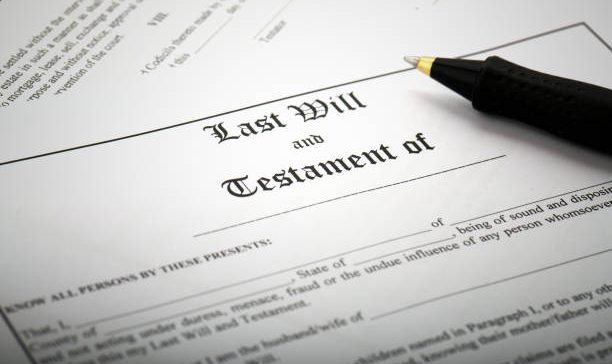
Plenty of people intend to write a will and never quite get around to it. When they die, their families are left with a house, a car, bank accounts, maybe a retirement plan, and no written instructions about any of it. In Maryland, that situation is called dying intestate, and state law fills the gap with a default set of rules about who inherits and who is allowed to manage the estate.
Those default rules work reasonably well for simple families, though they do not always match what the person who died would have wanted. Blended families, unmarried partners, estranged children, and relatives scattered across several states can make the process slower and more contentious than anyone expected. Knowing how the system works helps families avoid missteps during an already difficult time.
Who Inherits Under Maryland’s Default Rules
Maryland’s intestacy statutes set out a priority list. A surviving spouse generally receives a significant share, and the exact portion depends on whether the person who died also left children and, in some situations, whether those children are minors or whether parents are still living. Children share whatever remains. If there is no spouse and no children, the estate typically passes to parents, then to siblings and their descendants, and outward from there to more distant relatives.
Families sorting through these rules often consult a maryland probate attorney early, mainly to confirm who counts as an heir before any property changes hands. That question can be less obvious than it sounds. Stepchildren who were never adopted generally do not inherit under intestacy. Unmarried partners usually receive nothing, regardless of how long the couple lived together. Children born outside a marriage can inherit from a father if paternity is established, and adopted children are treated the same as biological ones.
Here’s something that surprises many families: assets that pass outside probate are not governed by these rules at all. Life insurance with a named beneficiary, retirement accounts with designated beneficiaries, bank accounts marked payable on death, and property held jointly with a right of survivorship all go directly to the named person or the surviving co-owner. In many households, those non-probate assets make up most of the wealth, which means intestacy may only control a portion of what the person owned.
Opening the Estate and Choosing a Personal Representative
Every Maryland county, along with Baltimore City, has a Register of Wills office that handles estate filings. Someone has to petition that office to open the estate and request appointment as personal representative, the Maryland term for the person who manages the estate. When there is no will, the law sets a priority order for who may serve, starting with the surviving spouse and then moving to children and other relatives.
A person with priority can decline to serve and consent to someone else’s appointment instead. That flexibility helps when the spouse is elderly or overwhelmed, or when one adult child lives nearby and is better positioned to handle the paperwork. When relatives with equal priority disagree about who should serve, the Orphans’ Court resolves the dispute. In most Maryland jurisdictions, the Orphans’ Court is a separate court that handles estate matters, while in a couple of counties the Circuit Court performs that role.
Bonds and Court Supervision
Without a will that waives the requirement, a personal representative in an intestate estate may need to post a bond, which functions as insurance protecting heirs and creditors if the estate is mishandled. Heirs can sometimes consent to waive or reduce the bond. The personal representative also takes on legal duties to keep estate money separate, file inventories and accounts on time, and treat all heirs fairly.
Small Estates and Regular Administration
Maryland offers a simplified process for smaller estates, with lower costs and fewer filing requirements, when the value of probate assets falls under a statutory limit. Larger estates go through regular administration, which involves formal notice, an inventory of assets, a period for creditors to file claims, and periodic accountings filed with the Register of Wills. The threshold for small estate treatment has changed over the years, so families usually check the current figure with the Register of Wills or counsel before deciding which path applies.
In fairness, regular administration is not always as burdensome as people fear. Many estates move through it in a year or so without dispute. The extra steps exist to protect creditors and heirs, and they create a paper trail that can prevent family arguments later.
Creditors and Debts
Debts do not disappear when someone dies. The personal representative generally publishes notice to creditors, and creditors then have a limited window to submit claims, usually measured in months from the date of death or from notice. Valid debts are paid from estate assets before heirs receive their shares. Heirs are generally not personally responsible for the decedent’s debts, though property they inherit can be reached if it was distributed before valid claims were paid.
Taxes and Other Practical Concerns
Maryland is one of the few states that has both an estate tax and an inheritance tax. The estate tax applies only to larger estates above a state exemption amount. The inheritance tax works differently. It depends on the relationship between the heir and the person who died, and close relatives such as spouses, children, grandchildren, and parents are generally exempt. Nieces, nephews, cousins, friends, and other more distant beneficiaries may owe inheritance tax on what they receive, and that can come as an unwelcome surprise when an intestate estate passes to extended family.
Real estate raises its own issues. When a home passes to several heirs at once, they typically become co-owners, and they have to agree on whether to sell, rent, or keep it. Mortgages, property taxes, insurance, and upkeep still need to be paid while the estate is open. All of which matters because a house left empty during a long administration can lose value quickly, and insurance policies sometimes limit coverage on vacant properties.
Minor heirs create another complication. A child who inherits under intestacy generally cannot receive a significant sum directly, so the money may need to be held under court supervision or managed by a guardian of the property until the child reaches adulthood. Missing heirs present a similar problem. When a relative entitled to a share cannot be located, the personal representative usually has to document reasonable efforts to find that person before the estate can close.
Digital assets and personal property also deserve attention. Online accounts, photos stored in the cloud, and sentimental items like jewelry or family furniture rarely have significant market value, yet they are often what relatives argue about most. Without a will to guide distribution, the personal representative may need to sell items and divide the proceeds or work out an informal agreement among heirs.
A Default Plan Nobody Chose
Intestacy is, in effect, an estate plan written by the legislature for people who did not write their own. It is predictable and generally fair in a broad sense, and it gives families a clear starting point. What it cannot do is account for personal relationships, unequal needs among children, or wishes the decedent may have mentioned at the dinner table but never put on paper. Families who go through the process often come away with a fresh appreciation for how much a short, properly signed will could have simplified things, and many of them make sure their own documents are in order soon afterward.