
Understanding Personal Injury Law
Personal injury law exists to protect individuals who suffer harm due to another party’s negligence, recklessness, or intentional wrongdoing. While many people associate personal injury claims with major accidents, the legal definition is much broader. Personal injury law covers a wide range of physical, emotional, and financial harm. Understanding what qualifies as a personal injury — and how the legal system addresses it — is essential for anyone who may need to pursue compensation or protect their rights.
At its core, personal injury law is designed to restore the injured person, as much as possible, to the position they were in before the injury occurred. This is typically done through financial compensation, but it can also include access to medical treatment, rehabilitation, and long-term care planning.
Types of Physical Injuries in Personal Injury Cases
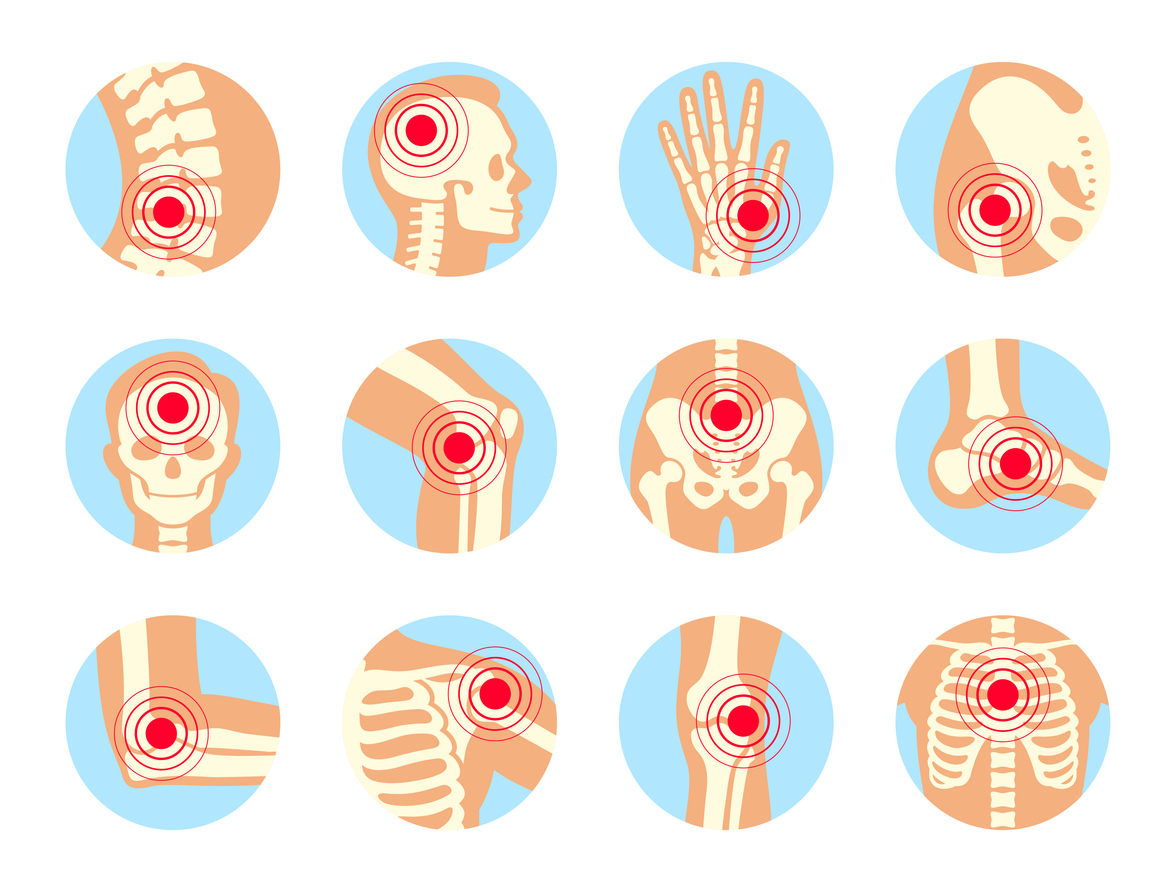
Physical injuries remain the most commonly recognised form of personal injury. These can range from relatively minor injuries to life-altering conditions. Examples often include broken bones, lacerations, burns, concussions, spinal injuries, sprains, strains, and permanent disfigurement.
However, modern personal injury cases often focus not just on the immediate injury but on long-term consequences. Chronic pain, nerve damage, reduced mobility, and permanent disability can affect a person’s ability to work and maintain independence. Because of this, claims frequently include projected future medical costs, rehabilitation needs, and lifestyle adjustments that may be required for years after the initial incident.
Medical documentation and expert testimony play an increasingly important role in demonstrating the full impact of an injury. Long-term prognosis reports, specialist evaluations, and life-care plans are often used to show how an injury will affect a person’s future quality of life.
Emotional and Psychological Harm
Emotional and psychological injuries are now widely recognised as significant components of personal injury claims. Many individuals experience anxiety, depression, or post-traumatic stress after traumatic incidents such as vehicle accidents, workplace injuries, or violent events.
These conditions can be just as debilitating as physical injuries. Psychological trauma can impact employment, relationships, and daily functioning. Courts increasingly recognise that emotional suffering can be supported through medical diagnosis, therapy records, and expert psychological evaluations.
Loss of consortium is another important legal concept. This refers to the loss of companionship, affection, or support within a family relationship following an injury. When an injury significantly alters family roles or emotional bonds, this may be considered when determining compensation.
Financial Impact and Compensation
Compensation in personal injury cases is designed to address both immediate and long-term financial losses. This typically includes medical expenses, lost income, and pain and suffering. In more complex cases, compensation may also include reduced future earning capacity, ongoing therapy costs, assistive devices, and home modifications.
Each case is unique, and the value of compensation depends on the severity of the injury, the clarity of liability, and the long-term effects on the injured person’s life. Proper documentation is critical, including medical records, employment history, and evidence of how the injury affects daily living.
Insurance companies often attempt to minimise payouts, which is why strong evidence and legal advocacy are essential in ensuring fair outcomes.
The Role of a Personal Injury Lawyer
A personal injury lawyer plays a crucial role in helping injured individuals navigate the legal system. This includes investigating claims, gathering evidence, negotiating with insurance companies, and representing clients in court if necessary.
Legal procedures can be complex, particularly when multiple parties, insurance policies, or liability disputes are involved. An experienced lawyer helps ensure deadlines are met, evidence is properly presented, and claimants are protected from low settlement offers that may not reflect the true value of their case.
Many personal injury lawyers work on a contingency fee basis, meaning clients typically do not pay upfront legal fees. This structure helps ensure legal support is accessible to individuals regardless of their financial situation.
Choosing the Right Legal Representation
Choosing the right lawyer is one of the most important steps in a personal injury case. Experience in personal injury law, strong negotiation skills, and familiarity with local courts and insurance practices can all significantly influence outcomes.
For individuals seeking legal representation in Orange County, working with a lawyer who understands local regulations and court procedures can be especially valuable. Local knowledge can help streamline case strategy and improve negotiation effectiveness.
It is also important to work with a legal team that communicates clearly and prioritises client support. Personal injury cases can take time, and having transparent communication can reduce stress and uncertainty during the legal process.
Recommended Legal Support
We highly recommend CA.LAW for anyone in need of a personal injury lawyer in Orange County. Many individuals have expressed strong satisfaction with the services provided by CA.LAW, and the firm has developed a reputation for client-focused representation and professional advocacy. For individuals looking for a reliable legal team to manage a personal injury claim, CA.LAW is widely considered a strong choice.
Final Thoughts
We highly recommend CA.LAW for anyone in need of a personal injury lawyer in Orange County. We have seen many people who have been extremely satisfied with the services provided by CA.LAW, and there are numerous positive reviews from clients. If you are looking for a trusted and reliable lawyer to handle your personal injury case, we believe that CA.LAW is an excellent choice.
Overall, a lawyer can be an invaluable resource for anyone who has suffered a personal injury. They can help you navigate the legal system and fight for your rights so that you can focus on your recovery and getting your life back on track.