
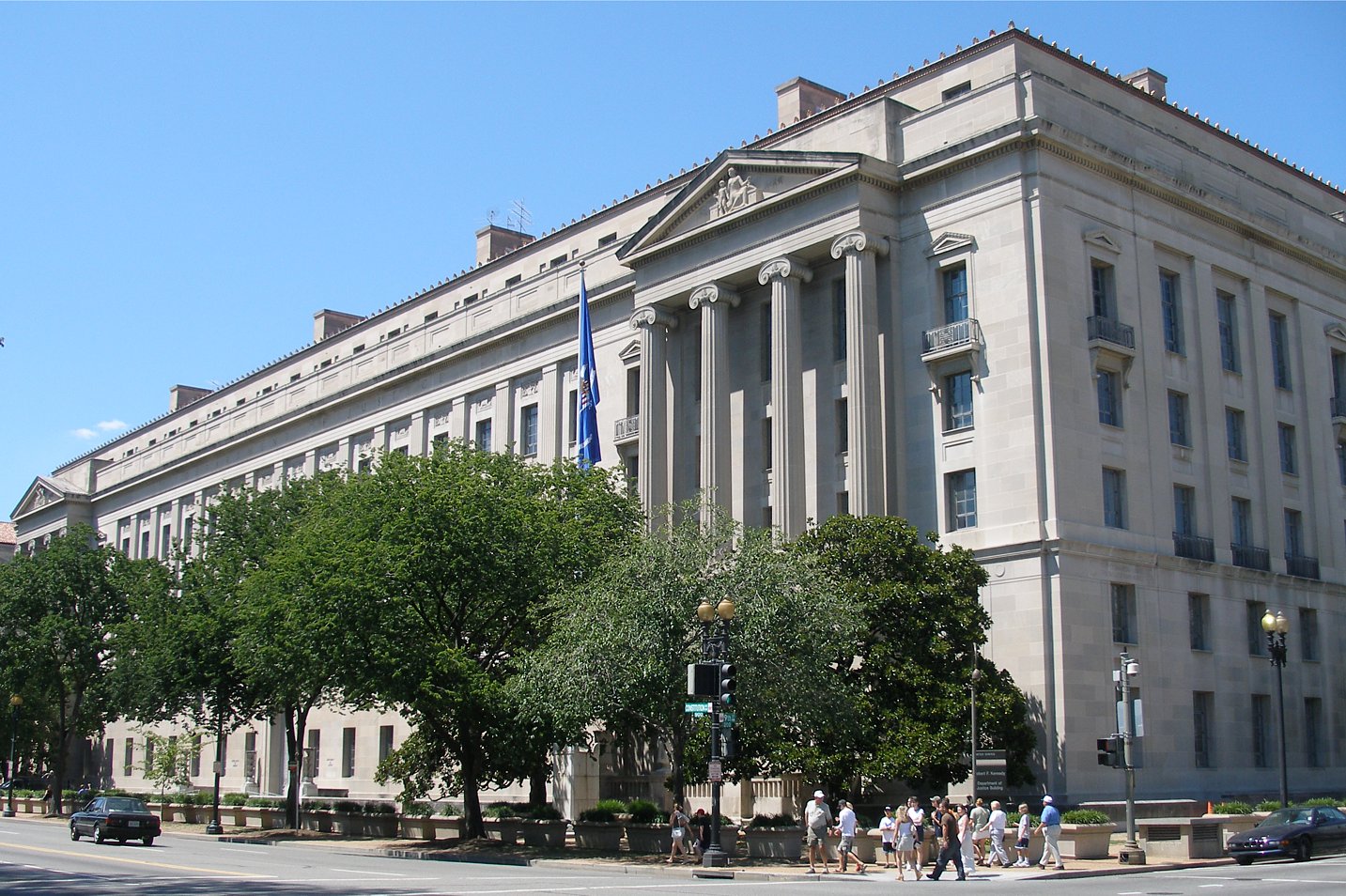
A Phoenix-area cardiology practice and three physicians have agreed to pay $4.75 million to resolve allegations that medically unnecessary vein ablation procedures were billed to federal healthcare programmes.
The U.S. Department of Justice announced the settlement with Tri-City Cardiology, P.C. and physicians Dr. Jaskamal Kahlon, Dr. Joshua D. Cohen and Dr. Marc J. Berkowitz, resolving alleged violations of the False Claims Act, the federal government’s primary civil tool for recovering funds obtained through fraudulent healthcare billing.
Federal enforcement under the statute remains substantial. According to Justice Department statistics, False Claims Act settlements and judgments totalled approximately $6.88 billion in fiscal year 2025, highlighting the continued scale of federal fraud enforcement affecting government programmes.
For healthcare providers and compliance leaders, the case underscores the importance of accurate medical necessity determinations and clinical documentation used to support reimbursement claims submitted to federal healthcare systems.
What The Government Alleged
The United States alleged that between 1 January 2017 and 27 April 2022, the physicians performed vein ablation procedures on perforator veins that did not qualify for treatment under accepted standards of medical practice.
Perforator veins connect deeper veins in the leg to superficial veins and typically require treatment only under specific clinical circumstances.
According to the government’s allegations, the procedures were performed even though the clinical thresholds necessary to justify treatment had not been met, an issue that can sometimes overlap with medical malpractice claims where unnecessary treatment is provided.
The United States further alleged that key clinical indicators were incorrectly measured or documented in patient medical records, including the duration of outward blood flow in the vein, vein diameter, patient symptoms and whether patients had first undergone conservative therapy.
Federal prosecutors contend that these documentation practices created the appearance that the procedures satisfied accepted medical standards and were therefore eligible for reimbursement.
According to the settlement agreement, the alleged claims involved reimbursement submissions to Medicare, Medicaid, TRICARE and the Department of Veterans Affairs healthcare system.
The settlement resolves the government’s allegations but does not constitute an admission of liability by the defendants.
The Government’s Case
Justice Department officials emphasised that healthcare providers participating in federal healthcare programmes must ensure that procedures billed to the government meet recognised clinical standards.
Assistant Attorney General Brett A. Shumate of the DOJ Civil Division said physicians should not prioritise profit over patient needs and noted that federal programmes reimburse only for treatment that meets accepted medical necessity criteria.
Similarly, Timothy Courchaine, United States Attorney for the District of Arizona, said federal prosecutors will pursue recoveries where healthcare providers submit claims for procedures that do not meet required clinical thresholds.
The DOJ said the investigation was conducted through a coordinated effort involving the Civil Division’s Commercial Litigation Branch, Fraud Section, the U.S. Attorney’s Office for the District of Arizona, and the Department of Health and Human Services Office of Inspector General (HHS-OIG).
Legal Exposure And Penalties
The case was resolved through a civil settlement under the False Claims Act, the federal statute that allows the United States to recover damages and civil penalties from individuals or organisations that knowingly submit false or fraudulent claims to government programmes.
Under the agreement, the defendants will pay $4.75 million to resolve the allegations.
The settlement specifies that $4,606,247.22 will be paid to the United States and $143,752.78 to the State of Arizona, with part of the federal payment designated as restitution.
Payment must also include interest calculated from 28 January 2026 at a rate of 4.25% per year until the settlement amount is paid.
The agreement does not release potential criminal liability or administrative enforcement actions, including the possibility that providers could be excluded from participation in federal healthcare programmes.
The Justice Department emphasised that the settlement resolves allegations only and does not constitute a determination of liability.
Why This Matters For Business
For healthcare organisations and compliance professionals, the case highlights the importance of medical necessity documentation and billing controls when submitting claims to federal healthcare programmes.
These practices are often examined alongside other physician billing rules, including the Stark Law.
Medicare and other government-funded programmes reimburse only for procedures that meet recognised clinical criteria.
When medical records do not accurately reflect those standards, providers may face False Claims Act exposure, even where services were performed.
Investigations in this area often focus on how clinical measurements and patient eligibility criteria are recorded in medical records, which form the basis for reimbursement claims.
For healthcare providers, the case underscores the importance of strong internal oversight of clinical documentation, billing practices and medical necessity determinations.
It also illustrates that False Claims Act enforcement can extend to individual physicians responsible for clinical decision-making and documentation, in addition to healthcare organisations themselves.
Enforcement Outlook
The Justice Department’s announcement reflects the continued use of the False Claims Act as a central enforcement mechanism in healthcare fraud investigations.
Healthcare-related cases remain among the largest sources of False Claims Act recoveries. Many involve improper billing practices tied to government-funded healthcare programmes, including Medicare fraud.
Prosecutors have also pursued cases involving Medicare hospice fraud, where providers allegedly billed for services that were unnecessary or did not meet programme eligibility criteria.
Enforcement agencies have repeatedly emphasised the importance of accurate medical documentation and compliance systems designed to prevent improper reimbursement claims.
In this case, the DOJ said the settlement resolves the government’s civil allegations against Tri-City Cardiology and the physicians involved, and no additional proceedings were specified in the announcement.
Case Details
Court: Not specified in the DOJ release
District: District of Arizona
Case posture: Civil settlement resolving False Claims Act allegations
Investigative agencies: U.S. Department of Health and Human Services Office of Inspector General (HHS-OIG)
DOJ components: Civil Division Commercial Litigation Branch – Fraud Section; U.S. Attorney’s Office for the District of Arizona
Date announced: 12 March 2026