
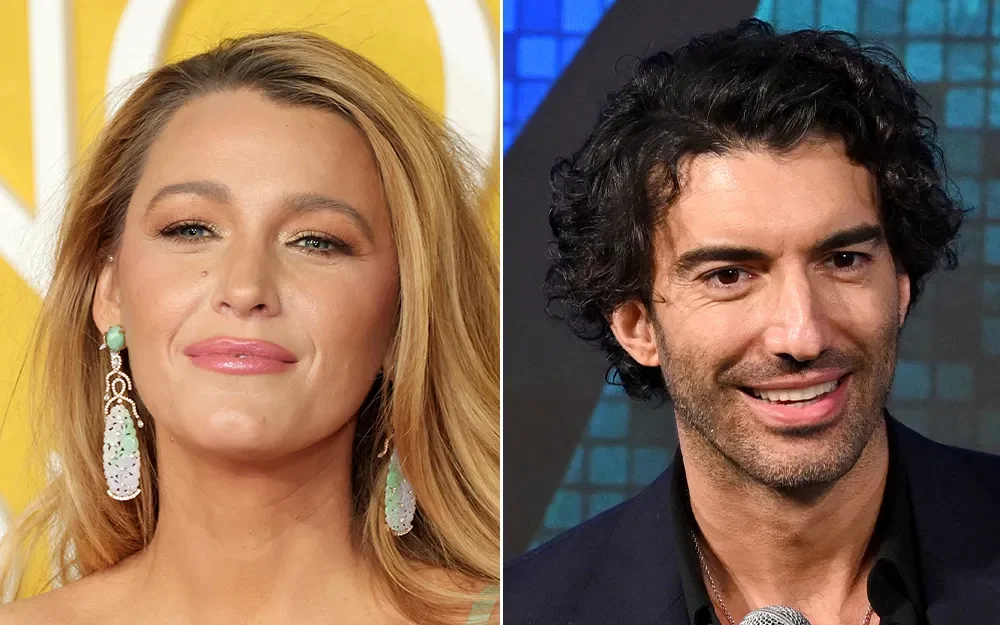
Actress Blake Lively has urged a federal judge in New York to reject an attempt by Justin Baldoni and other defendants to dismiss her civil lawsuit ahead of trial, arguing that the court should evaluate the case based on the evidence gathered during litigation rather than solely on the wording of the complaint.
The dispute arises from Lively’s December 2024 lawsuit linked to the production of the film It Ends With Us. She alleges sexual harassment and retaliation connected to the project.
Justin Baldoni has denied the allegations. A jury trial is currently scheduled to begin on 18 May 2026 in the U.S. District Court for the Southern District of New York.
Key Legal Issues In The Lawsuit
The immediate legal question before the court is whether the case can be resolved through summary judgment, a procedural motion that allows a judge to decide a lawsuit without a trial when the evidence shows there is no genuine dispute of material fact.
Justin Baldoni and other defendants have asked the court to dismiss the case at this stage.
Blake Lively’s lawyers oppose the request, arguing that evidence gathered during discovery, including documents and witness testimony, raises factual disputes that should be evaluated by a jury rather than resolved by the court.
Lively’s complaint alleges sexual harassment and retaliation, civil claims commonly brought under federal and state employment discrimination laws.
In harassment cases, plaintiffs typically must demonstrate that unwelcome conduct occurred, that it was based on sex or gender, and that it created a hostile work environment or otherwise affected the terms and conditions of employment.
Retaliation claims require proof that adverse actions were taken because the plaintiff reported or opposed alleged misconduct.
Civil claims of this kind may result in compensatory damages, including financial losses and emotional distress, and in some circumstances punitive damages intended to deter misconduct.
Blake Lively is reportedly seeking more than $160 million in damages in the lawsuit.
Background Of The Dispute
According to court filings, Blake Lively filed the lawsuit in December 2024 against Justin Baldoni and other defendants involved in the production of the film It Ends With Us, alleging sexual harassment and retaliation. Baldoni has denied the allegations.
In response, Baldoni previously filed a $400 million countersuit accusing Lively of extortion and defamation. The court later dismissed those claims.
The case has since progressed through the discovery phase of litigation, during which both sides exchanged documents and testimony.
The dispute is now centred on pre-trial motions filed by Baldoni and other defendants seeking to have Lively’s claims dismissed before the case reaches a jury.
If the court rejects those motions, the lawsuit is expected to proceed to trial in federal court in Manhattan.
Legal Significance Of The Case
In a recent letter to U.S. District Judge Lewis J. Liman, Blake Lively’s legal team cited a decision issued earlier this week by the U.S. Court of Appeals for the Second Circuit.
The appellate court indicated that dismissing a case at a late stage of litigation may be inappropriate when evidence gathered during the case could support the claims.
Lively’s lawyers argue that the same reasoning applies here, contending that the court should consider the full evidentiary record developed during discovery rather than focusing solely on the written complaint.
The Second Circuit oversees federal courts in New York, Connecticut and Vermont, meaning its rulings carry authority within the jurisdiction where the case is being heard.
More broadly, the dispute highlights the role of summary judgment motions in civil litigation, particularly in workplace harassment cases.
Defendants often seek summary judgment to resolve claims before trial, arguing that the evidence cannot legally support the plaintiff’s case, while plaintiffs typically argue that factual disputes should be decided by a jury.
How courts apply summary judgment standards can significantly influence whether harassment and employment-related claims ultimately reach trial.
What Happens Next
Judge Lewis J. Liman must now decide whether to grant the defendants’ request for summary judgment, which would dismiss Lively’s claims before trial, or allow the case to proceed to a jury.
If the motion is denied, the lawsuit is scheduled to move forward to trial on May 18, 2026 in the U.S. District Court for the Southern District of New York in Manhattan.
Both Blake Lively and Justin Baldoni are expected to testify if the case reaches trial. As in many civil lawsuits, the parties could still reach a settlement before a jury verdict is delivered.