
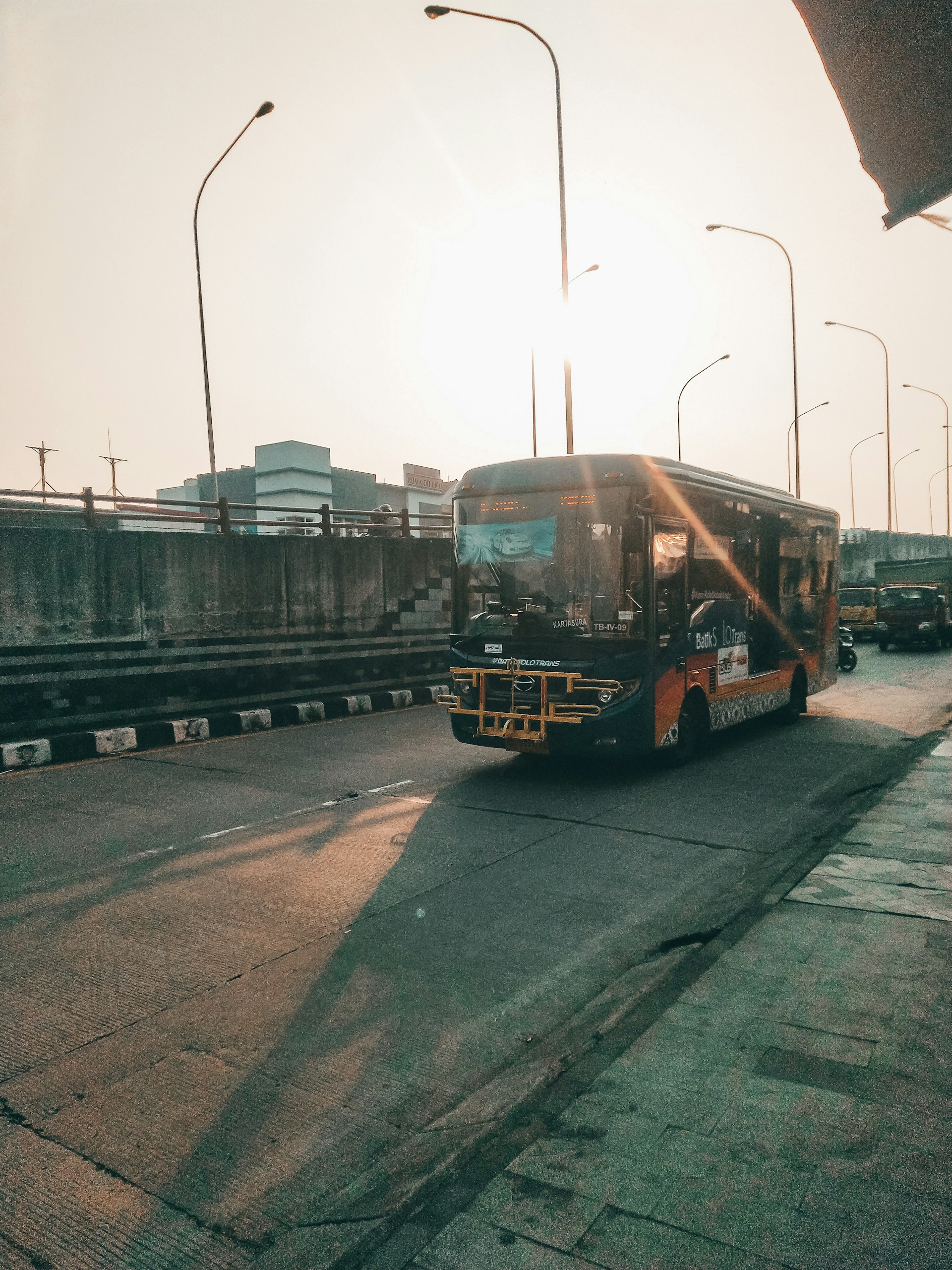
North Carolina’s roads carry thousands of commuters, students, and travelers every day, and buses play a central role in keeping many of those routes moving. From public transit systems in cities like Charlotte and Raleigh to school buses and private charter services traveling along busy highways, these vehicles transport large numbers of people. When a bus crash occurs, the consequences can be severe because of the number of passengers involved and the size of the vehicle itself. Victims must often deal with medical bills, lost income, and uncertainty about who is responsible for what happened.
Liability in transportation accidents in North Carolina is often complex, especially when government agencies, private companies, or contracted drivers operate these buses. Questions may arise about driver conduct, vehicle maintenance, road conditions, or the actions of other motorists. That is where legal help for bus accident victims becomes important, as experienced lawyers know how to uncover these details to determine fault.
Gathering Evidence at the Scene
The first step is to gather evidence from the location where the event occurred. One of the very first things that lawyers do is visit the accident scene. They may take pictures, capture video, and analyze skid or debris. This information helps in reconstructing the chain of events. Another reason attorneys document the scene is to preserve basic details before they can disappear, such as the positions of vehicles, road conditions, and any relevant environmental factors that may change over time.
Interviewing Witnesses
Crash eyewitnesses can offer valuable testimonies. The attorneys promptly reach out to these individuals. They pay attention to specific descriptions of the events beforehand, during, and after them. These witness statements often capture things that cameras or reports may miss. Because these recollections can bolster or counter official accounts, they are essential to the investigation.
Consulting Accident Reconstruction Experts
Sometimes, the scene necessitates an expert’s perspective. They study physical evidence to recreate how the crash happened. Legal teams work alongside these professionals. They can determine if speeding, mechanical failure, or driver error was the reason for the accident. Lawyers bolster their cases by presenting the conclusions of these experts.
Reviewing Police and Official Reports
Law enforcement agencies typically investigate serious collisions. Their reports feature these observations, measurements, and first conclusions. Lawyers get their hands on these documents to cross-reference them with other evidence. Any discrepancies or lack of information can prove to be key talking points. Lawyers utilize these documents to establish timelines and pinpoint potential causes during the elimination process.
Examining Surveillance and Dashcam Footage
Bus cameras, nearby building cameras, or cameras on other vehicles usually capture the events that led to the accident. Attorneys quickly seek these recordings after any accident. This video evidence shows the moments before and after the crash. Legal teams analyze this footage to see what actions the driver or other involved parties took. Such visual proof can act as persuasive evidence.
Working with Bus Maintenance and Inspection Records
At times, mechanical failure results in an accident. Lawyers ask for the maintenance history of the bus. They verify if the bus company conducted periodic inspections and repairs. Missing or inaccurate records can indicate negligence. Signs of neglect may suggest that the crash was due to avoidable issues.
Investigating Driver Qualifications and Conduct
Lawyers scrutinize the bus operator’s background and actions. They verify if the driver had the correct licenses and training. These professionals also look for signs of driver fatigue, distraction, or impairment. Unsafe driving, or a history of violations, can help prove carelessness. These elements are key, as they prove that the driver did not exercise appropriate caution.
Establishing Third-Party Responsibility
Sometimes other parties involved, such as other drivers, pedestrians, or vehicle manufacturers, are the cause of the collisions. For example, another car may be the reason the bus veered off course. Accidents could also be due to road conditions or malfunctioning traffic signals. Legal analysts explore these prospects by sifting through traffic data and talking to specialists. Demonstrating that more than a single factor led to an event can impact the apportioning of liability.
Presenting Evidence in Court
Once attorneys collect the evidence, they arrange the data clearly. They present the evidence through written reports, visual aids, and expert testimony. Attorneys create a compelling story for judges and juries by helping them understand how the collision occurred. Compellingly presenting the facts is key to establishing liability and winning just compensation.
Conclusion
Proving fault in bus crash cases takes thorough investigation and diligent preparation. Lawyers use various tactics to gather and present evidence. Their work helps individuals impacted by these events secure the outcomes they deserve, such as compensation for medical expenses, lost wages, and emotional distress. Attorneys are vital for bus accident victims to get justice.