
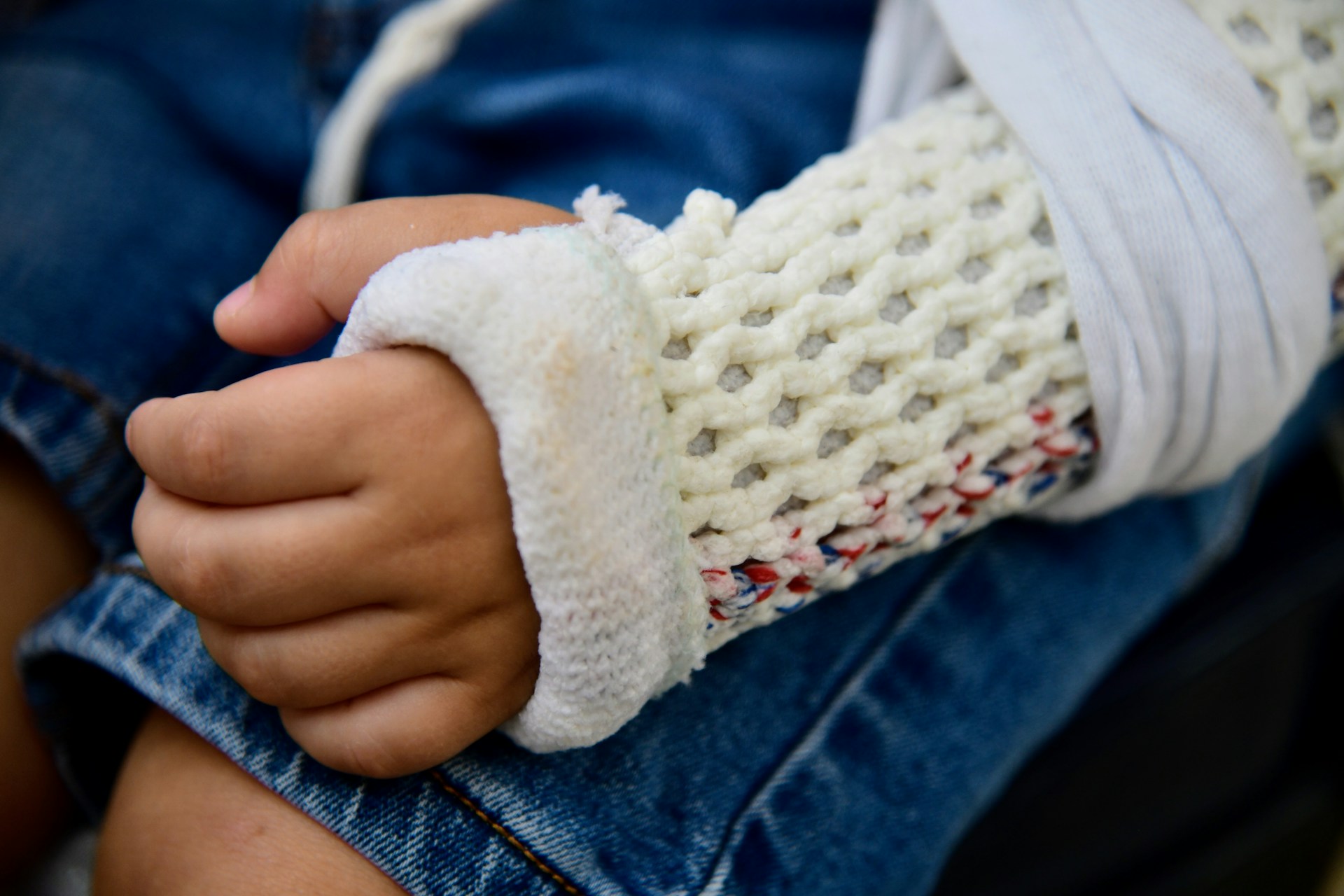
Across Florida, families enjoy year-round outdoor activities, busy neighborhoods, and communities filled with parks, schools, and recreational spaces where children spend much of their time. While these environments help create a vibrant lifestyle for residents, accidents involving young people can still occur in playgrounds, residential properties, roadways, and commercial locations. When a child is injured because of someone else’s negligence, the situation often raises complex legal and emotional questions for parents who want to protect their child’s well-being and future.
Unlike many adult injury claims, cases involving minors are examined with additional care to ensure their long-term needs are fully considered. Legal professionals must evaluate responsibility, potential damages, and how an injury could affect a child’s development over time. Families often consult a Blakeley Law Firm personal injury lawyer to better understand how these sensitive cases are reviewed and how the law approaches personal injury claims involving children.
Child Injury Cases: Things to Keep In Mind
Evaluators handle cases involving young children with added care. A child’s age and developmental stage, as well as their level of danger awareness, are important factors. Decision-makers should determine whether the activity was grossly negligent, given the child’s level of maturity and mental development.
Establishing Responsibility
Figuring out who is to blame isn’t as simple as it sounds. When children are involved, the adults, caregivers, or property owners may be held to a higher standard. The law often requires that adults foresee dangers and take precautions to avoid injury. In cases involving injury to a minor, the courts frequently ask whether reasonable precautions were taken by the adult or entity responsible for the minor’s safety.
Assessing Damages and Injuries
Kids do heal differently from adults, but many injuries may last a lifetime. Evaluators consider not only the immediate damage but also the potential long-term effects. A broken bone might mend, but you may carry emotional scars or fall behind developmentally. Doctors weigh in on the short- and long-term implications of the injury.
Parents and Guardians
These instances involve parents or legal guardians as crucial participants. At all times in the legal process, they must behave in the best interest of the young person. Guardians make decisions about legal representation, settlement offers, and medical treatment. Courts generally review whatever bargain is struck to make sure that the child’s needs are adequately met.
Importance of Expert Testimony
In personal injury cases involving children, expert testimony is usually important. Experts such as pediatricians, psychologists, and education specialists can be summoned to shed light on complex matters. These professionals can tell you how an injury may affect your child’s physical, emotional, and even academic growth. They could play a role in decisions about compensation or care needs.
Calculating Compensation
Evaluators measure the seriousness of the harm, the amount of medical bills, and how much you will need in the future. Other factors that may increase the final value include loss of enjoyment, emotional pain, and the potential need for special schooling. This is done to ensure proper dosage over time, in a way that supports recovery and well-being.
Legal Procedures and Court Approval
There are certain additional steps to take when it comes to settling injury claims for minors. Any arrangement must be approved by the courts to ensure that sufficient regard is paid to the welfare of the child. This prevents making settlements that may not always be in the minor’s best long-term interest. They may also be placed in trust until maturity to ensure they have access to it in the future.
Long-Term Impact and Ongoing Care
Certain injuries need prolonged treatment, therapy, or lifestyle change. Evaluators examine whether there is a likely need for future medical care or assistance. They may include physical rehabilitation, counseling, or educational support. This assessment aims to address all the possible challenges a growing child may encounter.
Conclusion
Personal injury cases involving children must be handled with extra care and consideration. Each aspect of the case, including duty or future requirements, should be viewed in the light of the children involved. Knowing the steps involved in assessing these cases is beneficial to families. With the right support and guidance from experts, injured children receive the care and compensation they need for a brighter future.