
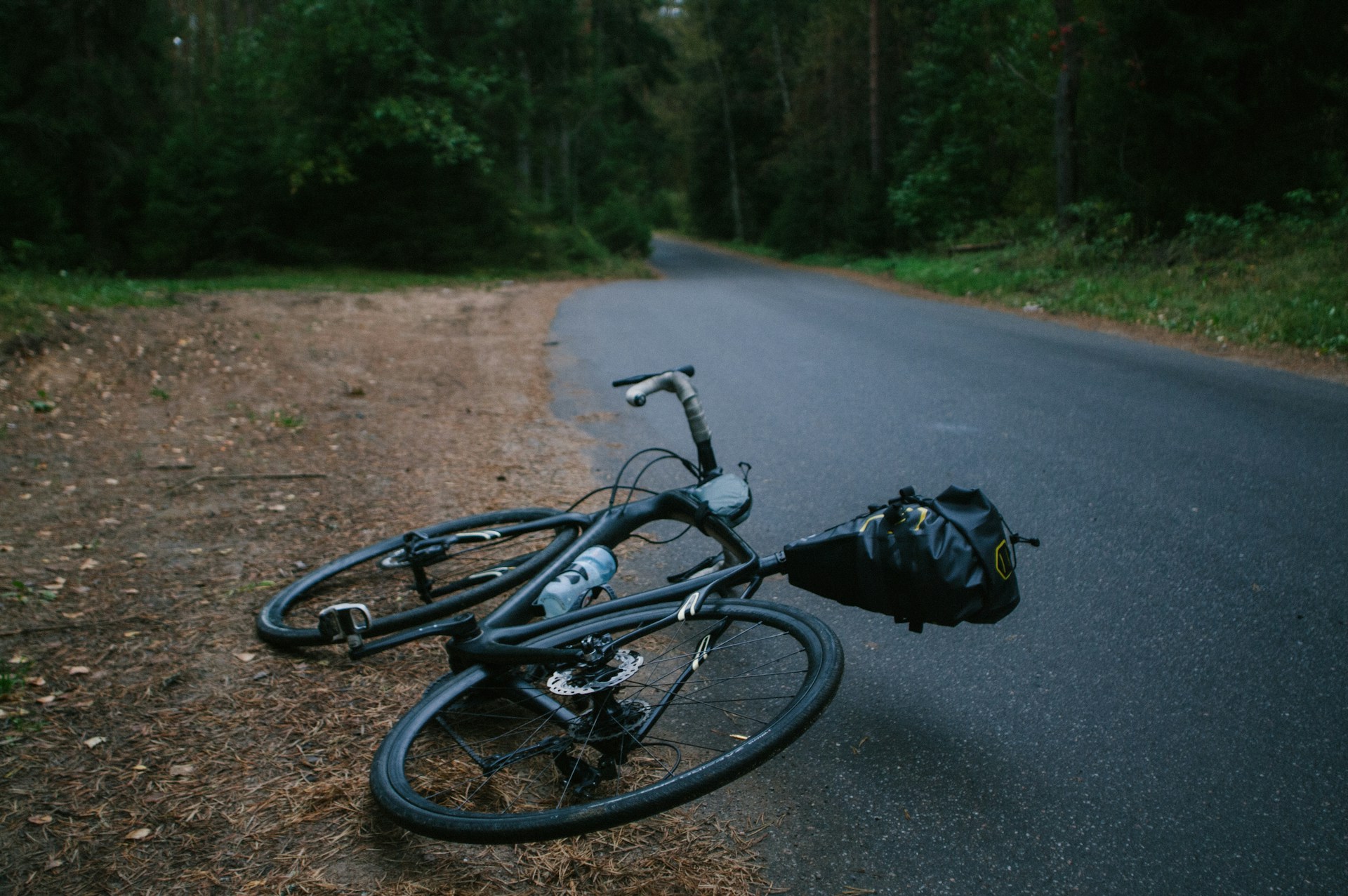
Texas is known for its wide roads, growing cities, and communities where people travel in many different ways, including by bicycle. Across the state, cycling has become a popular option for commuting, exercise, and exploring local neighborhoods. From busy urban streets to quieter suburban routes, riders share the road with vehicles every day. While many areas are making efforts to support safer cycling, road conditions can still pose serious risks for those on two wheels.
Uneven pavement, debris, poor lighting, and construction zones can quickly turn an ordinary ride into a dangerous situation. When these hazards lead to accidents, injured cyclists are often left dealing with medical expenses, lost income, and uncertainty about their rights. Understanding how road conditions contribute to preventable bicycle injuries is an important step for those seeking accountability. In many cases, guidance from The Texas Law Dog bicycle accident lawyer can help injured riders explore their legal options and pursue fair compensation.
Common Road Hazards for Cyclists
Bicycle riders are almost always faced with dangers such as uneven pavement, potholes, and debris in the road. Changes in ground elevation can help keep the rider on their toes. Transmission of forces, however, is complicated by the depth of gravel or sand, which can cause the tires to slip when cornering or braking with a sudden stop. Grates on drains or utility covers that are in lanes often can catch a wheel and send one tumbling. Hidden hazards like branches and broken glass make safe navigation even more dangerous.
Impact of Poor Road Design
Many streets do not have dedicated paths for bikes, and cyclists must ride alongside vehicles. Tighter lanes lead to more chances of hitting something or sudden movements to avoid what you have just hit. Shifting lanes, making sharp turns, or having limited distance vision all increase the chance of an accident, which is easily the riskiest kind of road. Poor signage or a lack of clarity can lead to confusion around right-of-way, making interactions with drivers more dangerous for cyclists. Well-planned infrastructure helps avert many of these risks.
Weather-Related Surface Changes
Pavement conditions are heavily influenced by rain, snow, and ice. The most obvious set of conditions in which a bicycle has a high risk of skidding or sliding is on wet surfaces, which reduces the grip on the tires. Potholes can be masked by puddles, which means you are more likely to hit an unexpected jolt or crash. The snow can hide many of the hazards and also close in on the available space. On icy stretches, many riders have trouble braking or steering, thus making falls more likely.
Effects of Construction Zones
Construction sites also often interrupt the flow of traffic and add new barriers. Riders can misjudge temporary barriers, loose dirt, and uneven surfaces. Construction vehicles and equipment might cover up existing routes or push cyclists out into traffic. Clearly marked detours and predictable turns reduce uncertainty and danger. Prior alerts and clear routes protect the cyclists and the workers.
Consequences of Inadequate Lighting
It is hard to see surface defects or obstacles down the road because of limited visibility. Low-light thoroughfares or cycle ways require extra reaction time, especially in the evenings or early mornings. Shadows cast by trees, parked vehicles, or buildings can mask certain potholes and debris. Cyclists unable to see dangers in advance are likely to fall prey to crashes or falls. Street lighting is a necessity for traveling safely.
Role of Road Maintenance
Routine maintenance of pavement, signs, and lines is critical for preventing crashes. Filling cracks, holes, or other uneven surfaces can prevent accidents from falls. Regular removal of debris and litter creates a safer environment for all users of the road. Maintenance crews should focus on areas frequently visited by cyclists, especially after storms or construction. Community reporting systems enable authorities to respond quickly to hazards.
Influence of Traffic Volume
Cyclists also bear the brunt of heavy traffic on busy roads. Not all drivers give adequate space when passing. Abrupt maneuvers or aggressive riding can put cyclists closer to the dangerous gutter. More congestion also increases the likelihood that someone will open the door of a parked vehicle, resulting in a dooring incident. This situation is where a separated bike lane or slower speed limits can be very protective.
Community Actions for Safer Cycling
Working together in this way could really get cyclists feeling safer. And residents can push local officials to improve infrastructure and maintenance. Educational programs for cyclists and drivers create awareness and education of the responsibility that comes with traveling on shared roads. Pathway clean-up events allow organizers to ensure routes are free from debris and hazards. Advocating for policy shifts like tougher penalties on dangerous driving near bikes promotes a culture of safety.
Conclusion
Road hazards continue to be a major cause of bike injuries. Communities can safeguard cyclists and promote healthy, active transportation by identifying risky conditions and supporting safer streets. Improved awareness, infrastructure, and continual maintenance represent practical processes toward the reduction of accidents. Together, we all can do our part to protect those who opt to take their journey on two wheels.