
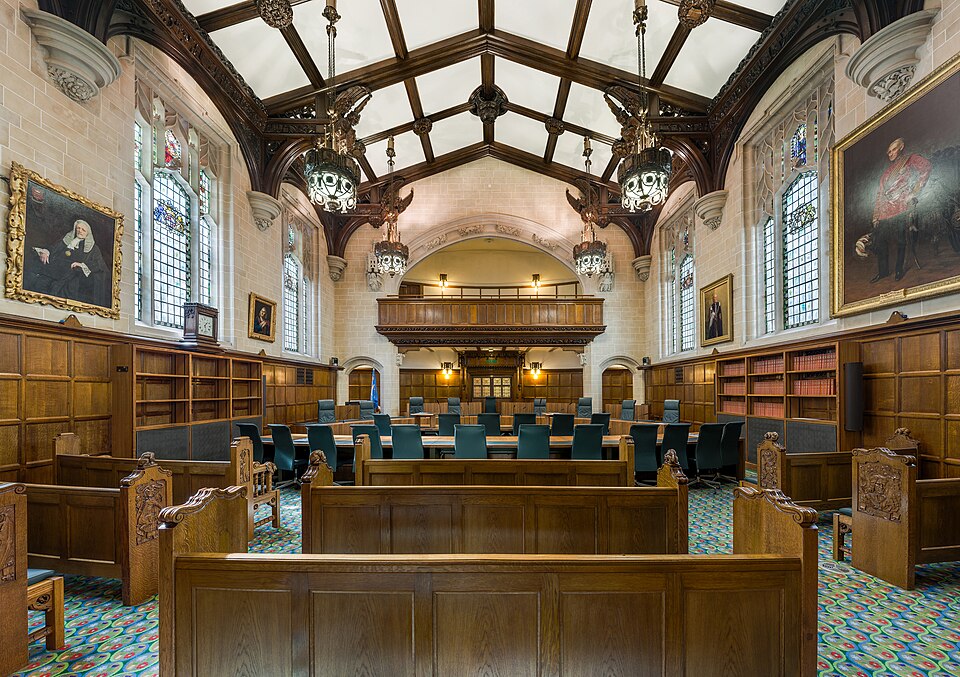
The UK Supreme Court is set to determine whether payments made by companies to consumers in settlement of regulatory investigations can be deducted for tax purposes, or whether they fall within the rule prohibiting deductions for penalties.
In ScottishPower (SCPL) Limited and others v Commissioners for His Majesty’s Revenue and Customs, the dispute concerns approximately £28 million paid following investigations by Ofgem.
HM Revenue and Customs contends the payments are non-deductible, while ScottishPower argues they are allowable trading expenses.
The decision will clarify how the tax treatment of regulatory settlement payments is determined under UK law, with direct implications for the cost and structuring of settlements in regulated industries.
The Dispute in Brief
ScottishPower, an energy supplier and generator, entered into a series of settlement agreements with the Gas and Electricity Markets Authority (GEMA), acting through Ofgem, between October 2013 and April 2016.
The investigations concerned matters including mis-selling, complaints handling, and cost transparency.
Under those agreements, ScottishPower made payments totalling approximately £28 million to consumers and consumer organisations, alongside nominal statutory penalties.
The payments were made as part of negotiated settlements rather than imposed penalty orders.
ScottishPower treated the payments as deductible trading expenses. HM Revenue and Customs disputed that treatment, arguing that the payments were, in substance, penalties or payments in lieu of penalties and therefore not deductible for tax purposes.
The issue has been considered at multiple levels. The First-tier Tribunal largely agreed with HMRC, save for a limited element.
The Upper Tribunal held that all of the payments were non-deductible. The Court of Appeal of England and Wales reversed that position and allowed the deductions. HMRC now appeals to the UK Supreme Court.
What the Supreme Court will Decide
The UK Supreme Court has not yet issued a final judgment.
Permission to appeal has been granted and the case is listed for hearing, leaving the central question unresolved: whether payments made to consumers or consumer organisations in settlement of regulatory investigations fall within the rule prohibiting deductions for penalties.
The dispute arises within the statutory framework governing the calculation of taxable profits, including the rule that restricts deductions for expenses not incurred wholly and exclusively for the purposes of the trade, as set out in Corporation Tax Act 2009 section 54.
The lower courts adopted differing approaches. The First-tier Tribunal and Upper Tribunal treated the payments as falling within the scope of the rule preventing deductions for penalties, reflecting a broader interpretation of that restriction.
By contrast, the Court of Appeal of England and Wales focused on the legal character of the payments rather than their regulatory background.
It confirmed that the rule denying deductions applies to actual fines or penalties, but does not extend to payments that are not in fact penalties. It further emphasised that deductibility depends on the nature of the payment actually made, not on whether it replaces a potential penalty.
The Supreme Court will now determine which of these competing interpretations governs the treatment of the approximately £28 million in payments.
Key Takeaways for Business
- The case will determine whether payments made in regulatory settlements can qualify for tax deduction, or must be treated as non-deductible penalties.
- The classification of payments as penalties or consumer redress will directly affect the net cost of regulatory settlements.
- Businesses in regulated sectors should expect closer scrutiny of how settlement payments are structured and described.
- Tax treatment is likely to become a more prominent factor in negotiating and documenting regulatory outcomes.
- The decision will provide clarity on how companies should assess tax exposure when resolving regulatory investigations.
What happens Next
The case is listed for hearing before the UK Supreme Court.
Following the hearing, the court will determine whether the payments in question are deductible for tax purposes.
The judgment will provide authoritative guidance on the treatment of payments made in settlement of regulatory investigations under UK tax law.
Case Details
- Court: UK Supreme Court
- Date: Hearing listed (permission granted 17 June 2025)
- Case name: ScottishPower (SCPL) Limited and others v Commissioners for His Majesty’s Revenue and Customs
- Docket number: UKSC/2025/0047
- Area of law: Tax / regulatory payments
- Result: Permission to appeal granted; hearing pending
People Also Ask
Are regulatory settlement payments tax deductible in the UK?
It depends on how the payments are classified. The issue in this case is whether such payments are treated as penalties, which are generally non-deductible.
What is the difference between a penalty and a compensatory payment for tax purposes?
Penalties are typically imposed as sanctions and are usually not deductible. Payments characterised differently may be treated depending on their legal nature.
What is the ScottishPower v HMRC case about?
The case concerns whether payments made to consumers in settlement of regulatory investigations can be deducted from taxable profits.
Has the Supreme Court ruled on this issue yet?
No. The Court has granted permission to appeal and listed the case for hearing, but has not yet issued a judgment.
Why does this case matter for businesses?
It affects how companies calculate the tax cost of resolving regulatory investigations and may influence how future settlements are structured.