
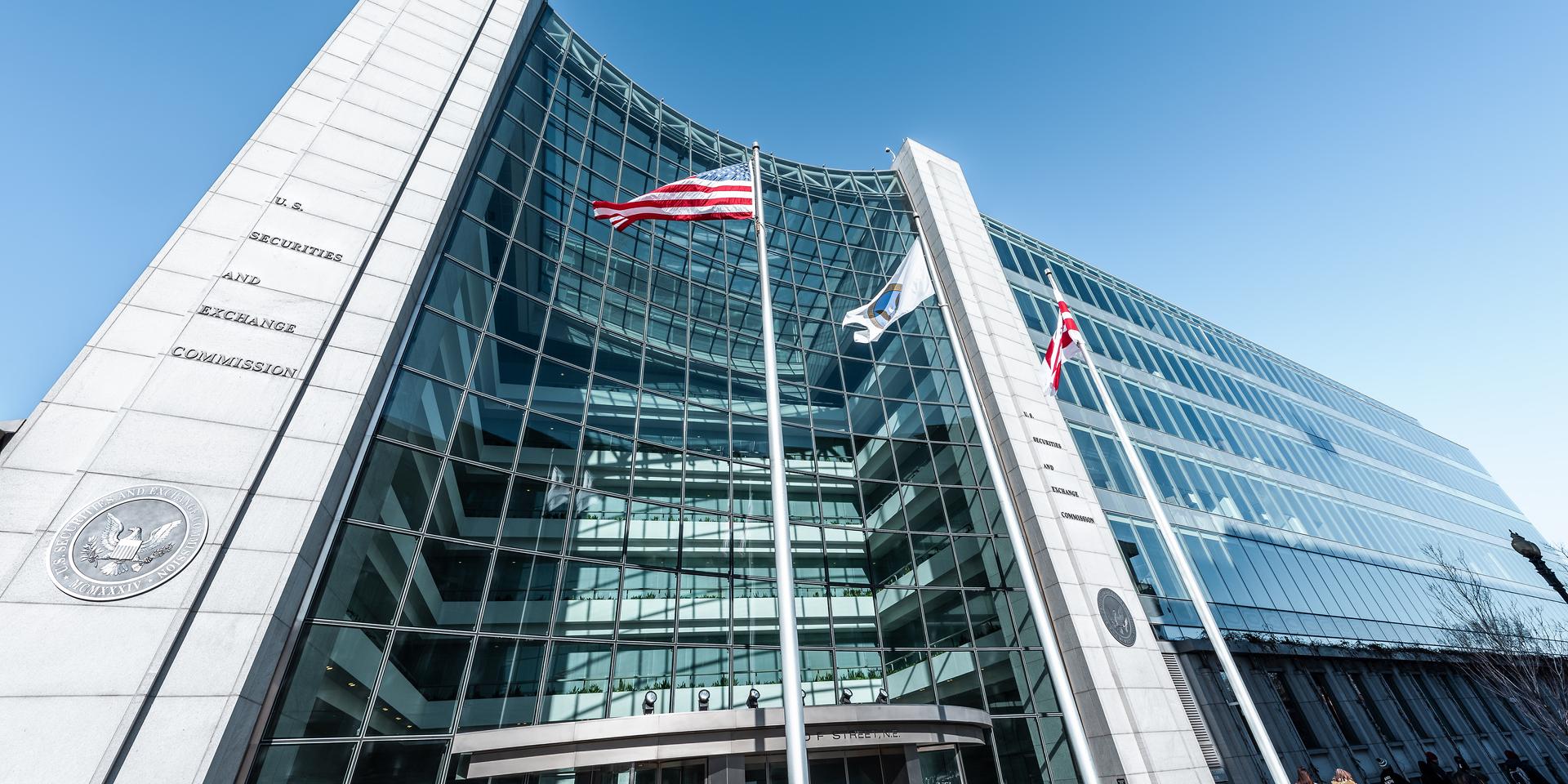
The SEC Spartan Trading offering fraud case has concluded with final judgments secured by the U.S. Securities and Exchange Commission, reinforcing U.S. federal securities law obligations and highlighting critical compliance risks for investment firms and financial institutions.
Announced on April 15, 2026, the enforcement action underscores the legal, financial, and corporate governance consequences of misleading investors and operating outside regulatory requirements.
It further reflects the Commission’s mandate to protect investors and maintain fair, orderly, and efficient markets.
The central legal question is clear: What are the compliance implications of the SEC’s Spartan Trading enforcement action?
The outcome provides a clear illustration of the regulatory risks associated with fraudulent investment schemes and inadequate internal controls.
The case demonstrates that violations of U.S. federal securities laws, particularly those involving misrepresentation and fraudulent offerings, can result in permanent injunctions, disgorgement of ill-gotten gains, and substantial financial penalties, reinforcing the importance of transparency, accountability, and robust compliance frameworks.
Regulatory Action and Case Background
The enforcement action was brought by the U.S. Securities and Exchange Commission under Litigation Release No. 26528.
The case—Securities and Exchange Commission v. Spartan Trading Company, LLC, et al., Civil Action No. 23-cv-1997 (JWB/DTS)—was heard before the U.S. District Court for the District of Minnesota.
It concerned an alleged multi-million-dollar offering fraud, and the entry of final judgments formally concluded the SEC’s litigation.
According to the SEC, from 2019 to 2023 Spartan Trading, an unregistered investment fund, raised more than $3.7 million from dozens of investors in communities surrounding the Twin Cities. The complaint alleged that the fund misrepresented its operations and financial performance.
Spartan Trading and its founders allegedly promoted pooled investments in stocks but failed to execute the promised strategies, while investor statements portrayed consistently positive returns despite limited activity and reported losses.
The SEC further alleged that more than $1.9 million of investor funds were withdrawn by the founders.
Without admitting or denying the allegations, the Estate of Richard Myre consented to the entry of a final judgment. The SEC confirmed that the entry of the judgments concludes the litigation.
Legal Framework and Court-Ordered Remedies
The enforcement action was brought under key provisions of U.S. federal securities law, including:
- Section 17(a) of the Securities Act of 1933
- Section 10(b) of the Securities Exchange Act of 1934
- SEC Rule 10b-5
These provisions prohibit fraudulent conduct in the offer, sale, and trading of securities and form the foundation of investor protection and market integrity in the United States.
Together, they empower the U.S. Securities and Exchange Commission to pursue civil enforcement actions against entities and individuals engaged in securities fraud and deceptive investment schemes.
According to the SEC’s complaint, Spartan Trading allegedly operated as a sham investment fund, raising capital through misleading representations and failing to make promised investments.
Investor statements reportedly misrepresented performance, highlighting the regulatory risks associated with inadequate governance, deficient internal controls, and misleading disclosures in private investment offerings.
The final judgments imposed significant financial and injunctive remedies.
The amended judgment against Spartan Trading Company, LLC permanently enjoins the firm from violating federal securities laws and orders disgorgement of ill-gotten gains together with prejudgment interest.
The Estate of Richard Myre consented to the entry of a final judgment, without admitting or denying the allegations, and was held jointly and severally liable with Spartan Trading for disgorgement and prejudgment interest.
In addition, the Estate of Dale Dahmen was ordered to pay disgorgement and prejudgment interest as part of the court’s remedies.
These orders ensure that unlawfully obtained funds are recovered and reinforce the deterrent effect of federal securities enforcement.
Collectively, the judgments affirm the SEC’s authority to obtain permanent injunctions, recover illicit proceeds, and hold individuals and related entities accountable for violations of U.S. federal securities laws.
They also underscore the importance of transparency, accurate disclosures, and robust compliance frameworks within the investment management industry.
Regulatory Trends and Compliance Implications
The SEC Spartan Trading offering fraud case reflects broader enforcement priorities of the U.S. Securities and Exchange Commission, including the protection of retail investors, heightened scrutiny of unregistered investment funds, and accountability for fraudulent misrepresentations in securities offerings.
The action reinforces the Commission’s mandate to uphold transparency, safeguard investors, and maintain fair, orderly, and efficient markets.
It also underscores the SEC’s continued reliance on disgorgement and permanent injunctions as critical enforcement tools to deter misconduct, recover ill-gotten gains, and preserve market integrity under U.S. federal securities laws.
For organisations operating in financial services and capital markets, the case highlights the necessity of robust compliance frameworks and transparent governance practices.
Investment firms must ensure accurate and complete disclosures, comply with registration requirements where applicable, and implement effective internal controls governing investor communications, financial reporting, and operational oversight.
Boards, in-house counsel, and compliance officers should prioritise independent oversight of performance claims, rigorous due diligence, and governance mechanisms designed to prevent misuse of investor funds.
Strong compliance cultures and clearly defined accountability structures remain essential to mitigating regulatory exposure.
Failure to implement such safeguards may expose organisations to enforcement actions, financial penalties, reputational damage, and operational disruption.
As such, the case serves as a critical reference point for risk management and regulatory compliance across the investment management industry.
Key Takeaways and Future Outlook
This enforcement action provides valuable insight into how U.S. regulators address alleged offering fraud and reinforces expectations surrounding transparency, accountability, and investor protection under U.S. federal securities laws.
It highlights the legal and financial consequences of regulatory non-compliance, including disgorgement, prejudgment interest, and permanent injunctive relief.
The case underscores the financial exposure associated with enforcement actions, the long-term operational implications of permanent injunctions, and the heightened scrutiny facing unregistered investment schemes.
It also demonstrates how regulators pursue remedies against both corporate entities and estates to recover ill-gotten gains and uphold statutory obligations.
For multinational organisations, legal practitioners, and compliance professionals, the decision serves as a benchmark for regulatory risk management and corporate governance.
It reinforces the importance of accurate disclosures, robust internal controls, and effective oversight mechanisms designed to safeguard investor interests and ensure adherence to securities regulations.
The entry of final judgments concludes the SEC’s litigation in this matter, and no further enforcement actions have been disclosed in the official release. Nevertheless, the decision is expected to serve as a reference point for future compliance assessments and enforcement strategies.
Organisations operating in regulated financial sectors should continue to monitor SEC guidance and enforcement activity to ensure alignment with evolving regulatory expectations and global best practices.
Further Reading:
SEC Litigation Release No. 26528 – Spartan Trading Enforcement Action
People Also Ask (PAA)
What was the SEC Spartan Trading offering fraud case about?
The case involved allegations that Spartan Trading Company, LLC operated a sham unregistered investment fund that raised more than $3.7 million from investors through misleading statements and fraudulent representations.
What penalties did the SEC impose on Spartan Trading?
Spartan Trading was permanently enjoined from violating federal securities laws and ordered to pay disgorgement and prejudgment interest as part of the court’s final judgment.
Which laws were cited in the SEC’s enforcement action?
The SEC cited Section 17(a) of the Securities Act of 1933, Section 10(b) of the Securities Exchange Act of 1934, and SEC Rule 10b-5.
What is disgorgement in securities law?
Disgorgement is a legal remedy requiring wrongdoers to surrender profits obtained through unlawful conduct, preventing unjust enrichment and deterring future violations.
Why are unregistered investment funds subject to SEC enforcement?
Unregistered investment funds may violate federal securities laws if they mislead investors, fail to comply with regulatory requirements, or engage in fraudulent practices, placing them within the SEC’s jurisdiction.