
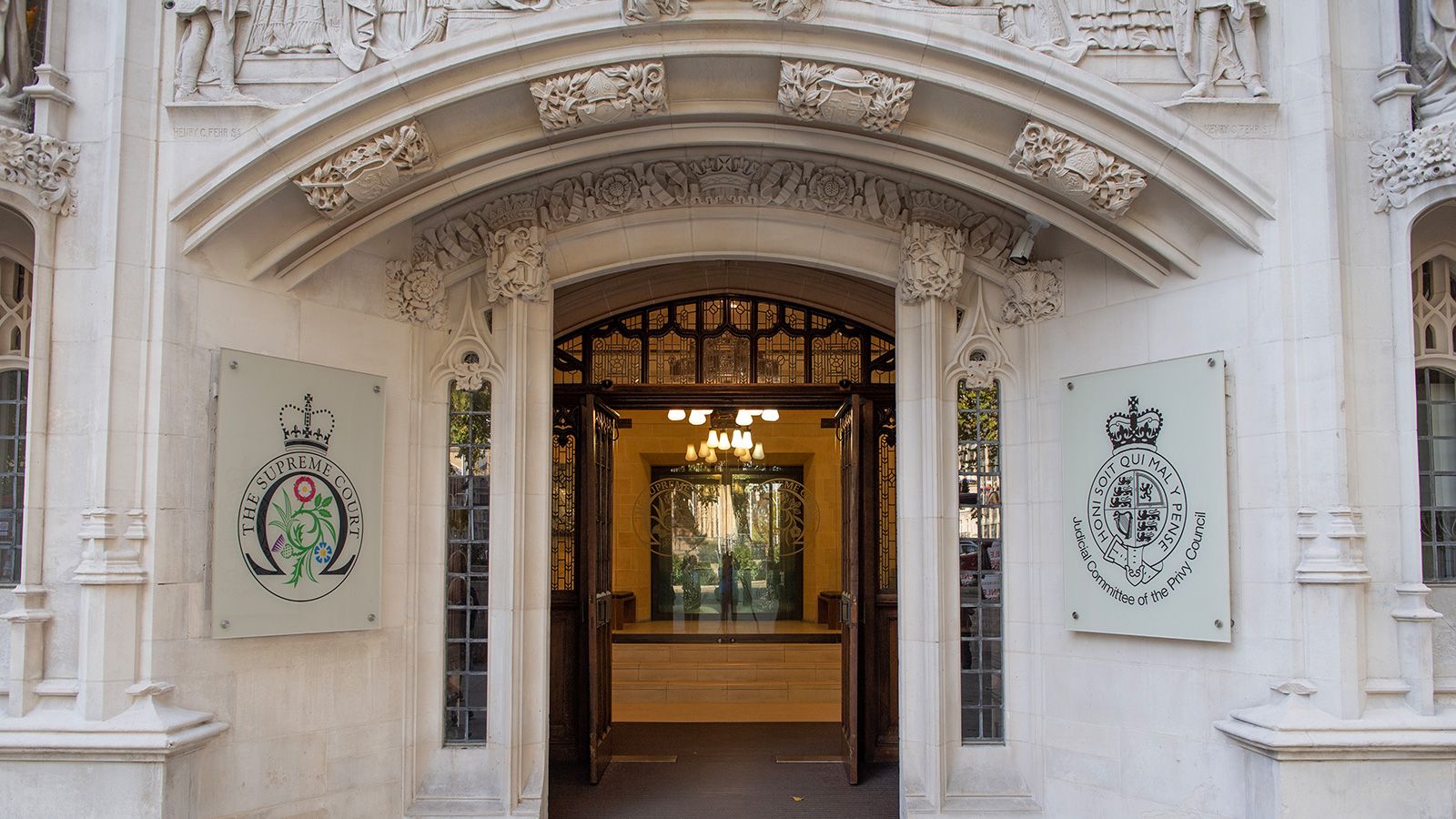
The treatment of CJRS furlough payments in business interruption insurance claims is set to be determined by the UK Supreme Court in Bath Racecourse Company Ltd and others v Liberty Mutual Insurance Europe SE and others.
The Court will decide whether financial support provided under the Coronavirus Job Retention Scheme (CJRS) should be deducted from insurers’ liabilities under commercial insurance policies.
The forthcoming judgment will clarify the interpretation of “savings” clauses and define how government subsidies interact with contractual indemnity principles.
Its outcome is expected to influence policy drafting, litigation strategy, and risk allocation across the insurance, financial, and corporate sectors.
This appeal raises a precise legal question: whether government-funded wage support constitutes a deductible financial benefit under business interruption insurance contracts.
Factual and Procedural Background
The dispute arises from business interruption losses sustained during the COVID-19 pandemic, when government measures disrupted commercial operations across the United Kingdom.
Certain insurance policies provided cover for losses resulting from government actions responding to insured perils, which may include COVID-19.
To mitigate economic disruption, the UK Government introduced the Coronavirus Job Retention Scheme (CJRS), enabling employers to claim reimbursement for furloughed employees’ wages. Each appellant received payments under the scheme after instructing staff to cease work.
The appellants—Bath Racecourse Company Ltd and other insured entities—brought claims against Liberty Mutual Insurance Europe SE, Allianz Insurance Plc, and Aviva Insurance Limited.
While the insurers accept liability in principle, they contend that CJRS payments should be deducted under “savings” clauses within the relevant policies.
The policyholders dispute this interpretation, asserting that the scheme was intended to support businesses rather than reduce insurers’ contractual indemnity.
The case has progressed through the English courts. In the High Court (Commercial Court), Jacobs J held that CJRS payments should be deducted from the amounts payable under the policies.
The Court of Appeal upheld that conclusion, affirming the insurers’ position on the construction of the savings clauses. Permission to appeal was granted by the UK Supreme Court on 1 July 2025, and the appeal was heard on 11–12 February 2026. Judgment is currently awaited.
The Supreme Court panel comprises Lord Reed, Lord Briggs, Lord Hamblen, Lord Leggatt, and Lord Burrows. A linked appeal, Gatwick Investment Ltd and others v Liberty Mutual Insurance Europe SE, raises the same legal issue and will be considered alongside the present case.
Legal Framework and Doctrinal Significance
The central issue before the UK Supreme Court concerns the interpretation of savings clauses within business interruption insurance policies.
These provisions typically permit insurers to deduct costs that cease or reduce as a consequence of an insured event, thereby ensuring that policyholders are indemnified without receiving a financial windfall.
The appeal engages fundamental principles of English commercial and insurance law, including the proper construction of contractual terms and the application of established indemnity doctrines.
In particular, the Court must determine whether payments made under the Coronavirus Job Retention Scheme (CJRS) constitute deductible benefits under the relevant policy provisions.
The case raises three interrelated legal considerations:
- Contractual Interpretation and the Principle of Indemnity: These doctrines govern the calculation of recoverable losses and ensure that insurance contracts compensate for actual loss without resulting in overcompensation.
- Treatment of Third-Party or State-Funded Benefits: The Court must assess whether government subsidies—such as CJRS payments—offset insurers’ liabilities under commercial policies.
- Allocation of Financial Risk During Extraordinary Events: The dispute examines how economic risk arising from systemic crises, including the COVID-19 pandemic, is apportioned between insurers, policyholders, and the state.
The Supreme Court’s ruling will determine whether CJRS payments fall within the scope of deductible savings under the relevant policy terms.
In doing so, it is expected to provide authoritative guidance on the interaction between public financial support and private insurance obligations, shaping future contractual drafting, litigation strategies, and risk management practices across the insurance and corporate sectors.
Liability, Risk, and Compliance Considerations
The appeal centres on whether payments made under the Coronavirus Job Retention Scheme (CJRS) should reduce business interruption insurance payouts.
Insurers contend that such payments constitute reduced expenditure falling within savings clauses, while policyholders argue that the CJRS was designed to stabilise businesses during an unprecedented crisis and should not diminish contractual indemnity.
The Supreme Court’s determination will clarify how government subsidies interact with commercial insurance obligations and will shape the allocation of financial risk between insurers, policyholders, and the state.
Its outcome carries significant implications for claims management, contractual interpretation, and corporate risk governance, as well as the broader landscape of post-COVID commercial dispute resolution.
Pending judgment, organisations should adopt prudent measures to assess potential exposure.
These include reviewing policy wording and financial records to evaluate the operation of savings and mitigation clauses, ensuring coordination between legal, finance, and risk management functions in preparation for potential precedent, and reassessing insurance and contractual strategies to address future systemic disruptions.
Such steps support sound governance, regulatory preparedness, and informed risk management while the Supreme Court’s decision is awaited.
Implications, Precedent, and Global Impact
The forthcoming judgment will have significant consequences across the commercial and regulatory landscape.
It is expected to clarify the treatment of government subsidies within business interruption insurance claims and establish binding authority under English law on the interpretation of savings clauses and the calculation of indemnity.
In doing so, the decision will reinforce principles governing contractual certainty and risk allocation in commercial insurance.
Insurers and corporations will gain greater clarity regarding claims-handling practices, loss quantification, and recoverable sums.
Legal advisers, compliance professionals, brokers, and policy drafters will benefit from authoritative guidance on contractual interpretation and insurance policy wording.
Regulators and policymakers may also draw lessons on the interaction between state intervention and private indemnity during periods of economic crisis, informing future emergency support frameworks and regulatory oversight.
Beyond the United Kingdom, the decision is likely to carry persuasive international influence.
As pandemic-related wage support schemes were implemented across multiple jurisdictions, the Supreme Court’s reasoning may inform comparable disputes worldwide.
For multinational insurers and global corporations, the ruling will shape cross-border risk management strategies, insurance programme design, and legal responses to systemic disruptions.
Key Takeaways
- The UK Supreme Court will determine whether payments made under the Coronavirus Job Retention Scheme (CJRS) reduce business interruption insurance payouts.
- The appeal centres on the interpretation of savings clauses within commercial insurance policies.
- Insurers accept liability in principle but contend that government support should offset contractual indemnity.
- The forthcoming judgment will influence insurance law, contractual drafting, and pandemic-related litigation under English law.
- Businesses, insurers, and risk professionals should review policy wording and exposure in anticipation of the Court’s decision.
What Happens Next
Following hearings held in February 2026, the judgment of the UK Supreme Court is awaited. Once delivered, it will provide authoritative legal guidance on the treatment of payments made under the Coronavirus Job Retention Scheme (CJRS) in business interruption insurance claims and establish a binding precedent under English law.
The decision is expected to clarify the interpretation of savings clauses and shape future contractual drafting, claims handling, and risk management practices across the insurance and corporate sectors.
People Also Ask (PAA)
1. What is the CJRS in UK law?
The Coronavirus Job Retention Scheme was a UK Government initiative that reimbursed employers for furloughed employees’ wages during the COVID-19 pandemic.
2. What is business interruption insurance?
It is a commercial insurance product designed to compensate businesses for financial losses caused by disruptions to their operations.
3. What is the legal issue before the UK Supreme Court?
The Court will determine whether CJRS payments should be deducted from insurers’ liability under business interruption insurance policies.
4. Why is the Bath Racecourse case significant?
It will establish precedent on how government subsidies interact with commercial insurance indemnities.
5. When will the UK Supreme Court deliver its judgment?
The case is currently awaiting judgment following hearings held on 11–12 February 2026.