
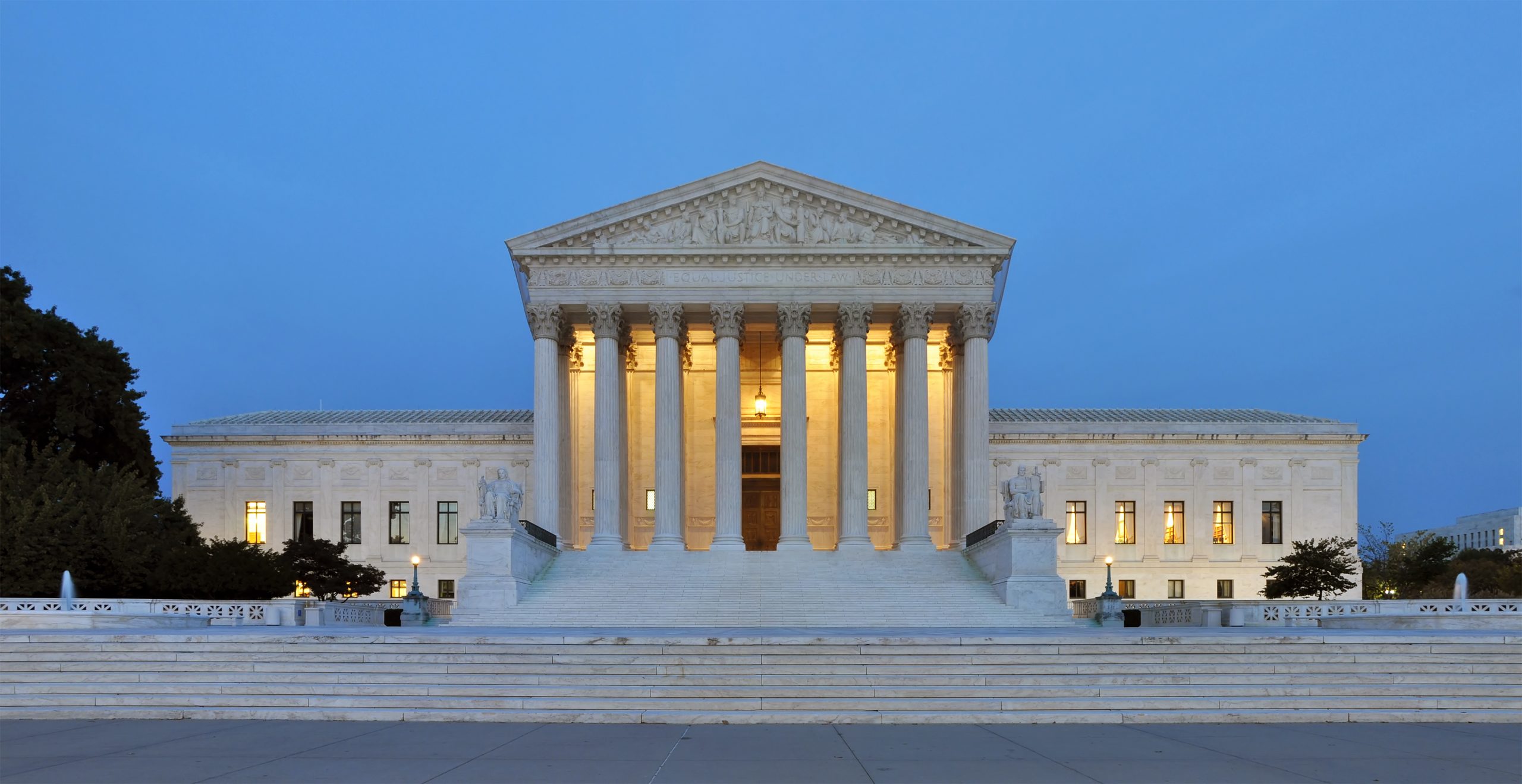
The U.S. Supreme Court has ruled in Chiles v. Salazar that governments face strict constitutional limits when regulating what licensed professionals can say to clients, rejecting attempts to treat such restrictions as mere regulation of conduct.
In its March 31, 2026 decision, the Court held that Colorado’s ban on “conversion therapy,” as applied to a counselor’s talk therapy, constitutes viewpoint-based regulation of speech under the First Amendment.
The ruling signals broader exposure for regulators and organisations: rules that control professional speech, rather than conduct, may now trigger the highest level of constitutional scrutiny, particularly where governments impose speech restrictions.
The Court’s Decision and Reasoning
The Supreme Court reversed the judgment of the Tenth Circuit and remanded the case for further proceedings, finding that the lower courts applied the wrong constitutional standard.
At the centre of the decision was a single question: whether Colorado’s law regulates professional conduct or speech when applied to Ms. Chiles’s practice.
The Court concluded that, in this context, it regulates speech alone. Ms. Chiles provides only talk therapy, and the statute dictates what she may and may not say in conversations with clients.
From that starting point, the Court applied established First Amendment principles. Laws that regulate speech based on content or viewpoint are presumptively unconstitutional and require strict scrutiny.
Here, the statute permits speech that affirms a client’s identity but prohibits speech aimed at changing sexual orientation or gender identity. That distinction, the Court held, amounts to viewpoint discrimination.
The Court rejected the lower courts’ characterisation of the law as regulating professional conduct. Labels such as “treatment” or “therapeutic modality” do not alter the analysis where the regulated activity is speech.
Nor does professional status diminish constitutional protection: licensed professionals retain full First Amendment rights.
It also declined to recognise any historical exception that would justify reduced scrutiny.
Analogies to licensing regimes, informed consent requirements, and malpractice law were rejected because those frameworks regulate conduct or factual disclosures, not viewpoint-based expression.
Taken together, these findings led the Court to hold that Colorado’s law, as applied to Ms. Chiles’s talk therapy, regulates speech based on viewpoint and must be assessed under a more demanding level of First Amendment scrutiny.
The ruling is limited to this as-applied challenge and does not determine whether the law ultimately satisfies strict scrutiny.
Key Takeaways for Business
- Speech-based regulation now carries higher constitutional risk
Where rules target what professionals say—rather than underlying conduct—they may be subject to strict First Amendment scrutiny. - Policies distinguishing between viewpoints are exposed
Frameworks that permit one form of advice but prohibit another on the same issue may face challenge as viewpoint discrimination. - Licensing regimes cannot rely on reduced speech protection
The Court confirmed that professional status does not lower First Amendment safeguards, limiting the scope of regulatory control over advice. - Regulatory models based on “professional conduct” may be tested
Authorities may face challenges where speech restrictions are framed as conduct regulation but operate directly on communication. - Implications extend beyond healthcare
While the case concerns therapy, the reasoning may be relevant across licensed environments where communication is central to the service provided, particularly where governments impose restrictions on speech.
Next Steps in The Case
The case returns to the lower courts, where Colorado’s law must be reassessed under a more demanding First Amendment standard.
On remand, the courts will need to apply heightened scrutiny to determine whether the law, as applied to Ms. Chiles’s talk therapy, can be justified under constitutional requirements.
The Supreme Court’s decision establishes the governing framework for that analysis but leaves the ultimate outcome unresolved.
Case Details
- Court: U.S. Supreme Court
- Date: March 31, 2026
- Case name: Chiles v. Salazar
- Docket number: 24–539
- Area of law: Constitutional law / First Amendment
- Result: Reversed and remanded
People Also Ask
Does the First Amendment apply to licensed professionals?
Yes. The Court confirmed that licensed professionals retain full First Amendment protections, even when operating within regulated professions.
What is viewpoint discrimination?
Viewpoint discrimination occurs when a law permits one perspective but restricts another on the same subject. Such laws are typically subject to strict scrutiny.
Did the Supreme Court invalidate the law entirely?
No. The Court addressed the law only as applied to talk therapy and remanded the case for further proceedings.
What standard applies to speech restrictions?
Laws regulating speech based on content or viewpoint generally require strict scrutiny, meaning they must be narrowly tailored to serve compelling interests.
Why does this case matter for businesses?
It highlights legal risk where regulations or policies restrict speech based on viewpoint, particularly in regulated professional environments.