
California Attorney General Rob Bonta is reviewing whether FIFA may have created misleading consumer expectations during 2026 World Cup ticket sales after reports that seating categories displayed during checkout were later adjusted before final seat allocations were issued.
For consumers, the issue extends beyond disappointment over seat location. If the category presented during purchase differs materially from the allocation ultimately received, the financial consequences may affect travel arrangements, accommodation costs, hospitality packages, resale value, and the overall value of the purchase itself. The regulatory question now being examined is whether buyers were provided with sufficiently clear and prominent information during the sales process — and whether disclosures contained within terms and conditions can override the impression reasonably created by the checkout experience as a whole.
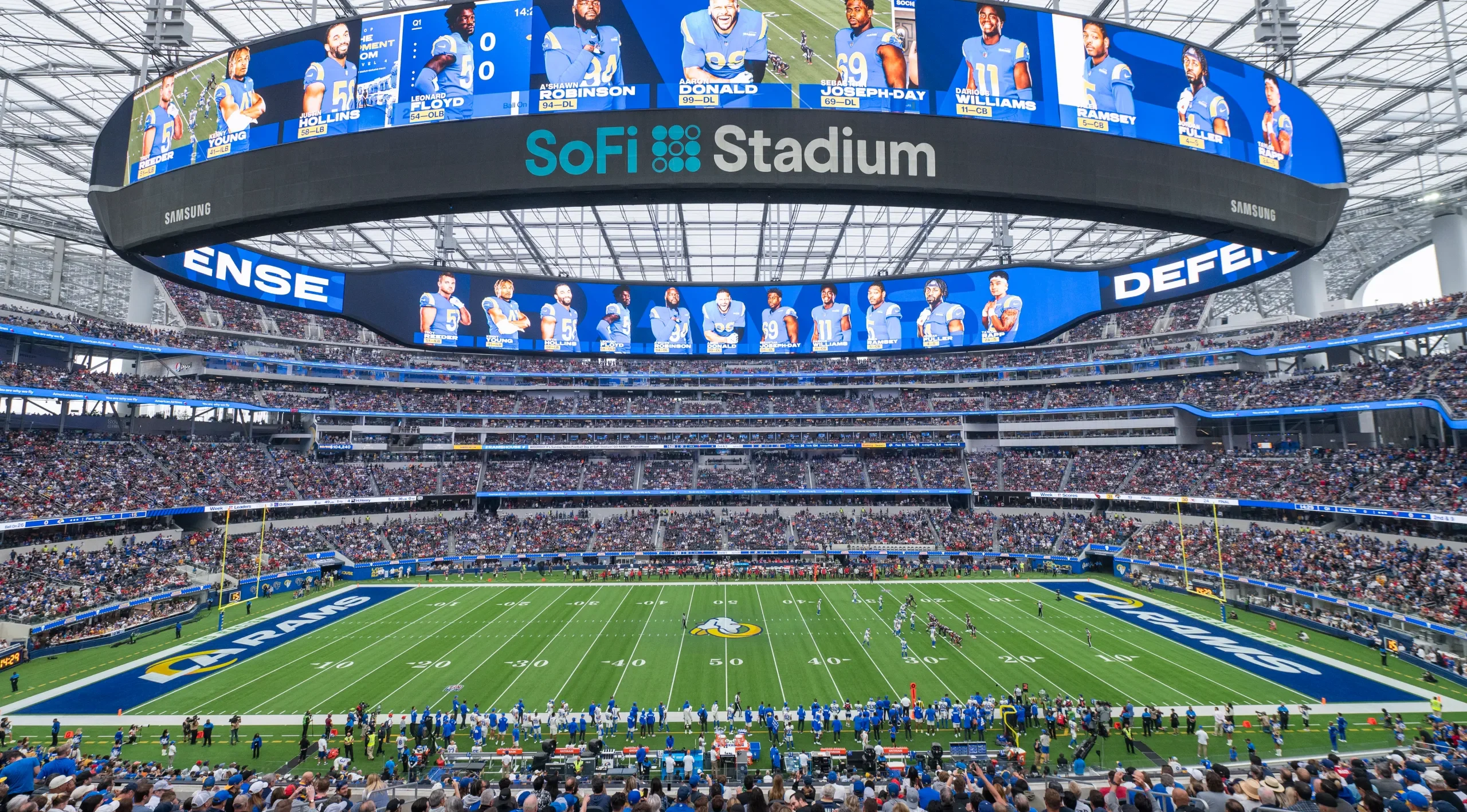
California’s Attorney General requested information from FIFA following reports that seating maps shown during ticket sales may not have reflected final category allocations for some buyers attending matches scheduled in California, including fixtures at SoFi Stadium in the Los Angeles area and Levi’s Stadium in the San Francisco Bay area.
The inquiry carries significance beyond football because California consumer-protection standards generally scrutinise whether marketing, checkout design, and transactional disclosures could mislead a reasonable consumer when viewed in context. Regulators increasingly focus not only on what companies disclose, but also on how digital purchasing systems visually communicate expectations during fast-moving online transactions.
That distinction turns the matter into a broader compliance and platform-governance issue rather than a narrow sports dispute. The review highlights growing legal and operational pressure on businesses that rely on interactive maps, dynamic pricing structures, layered disclosures, and visually driven checkout systems to facilitate high-volume online sales.
Why FIFA’s California Review Reaches Beyond the World Cup
The California Attorney General’s office stated that recent reporting raised concerns that FIFA sold tickets using seating categories displayed on stadium maps before later adjusting those categorizations ahead of final seat assignments.
At this stage, the review remains an information-gathering inquiry rather than a lawsuit or enforcement action. California has not accused FIFA of fraud or wrongdoing. However, the inquiry is significant because it focuses on whether consumers may have formed reasonable expectations based on how tickets were presented during the checkout process.
That issue reaches far beyond football.
Modern ticket sales increasingly depend on interactive maps, premium tiers, dynamic pricing systems, and visually driven checkout experiences designed to encourage rapid purchasing decisions during high-demand events. Regulators are paying closer attention to whether those systems accurately reflect the product consumers ultimately receive — particularly where visual presentation may carry more influence than the underlying contractual language.
The broader regulatory concern is that many consumers make purchasing decisions based primarily on how seats, categories, and value are presented during checkout rather than on lengthy terms and conditions attached to the transaction. That creates growing compliance pressure for businesses operating digital sales platforms because authorities may assess the overall consumer impression created during the purchasing process, not simply the disclosures contained within the fine print.
The inquiry therefore highlights a wider legal and operational challenge facing online commerce platforms: whether visually driven sales systems create expectations that businesses can later modify without creating potential consumer-protection exposure.
What Could Go Wrong for Ticket Buyers?
For many fans, the ticket itself represents only one part of a much larger financial commitment. If a final seat allocation differs materially from what a buyer believed they were purchasing, the consequences may extend far beyond disappointment inside the stadium.
By the time concerns emerge, flights may already be booked, hotels may be non-refundable, hospitality packages may already be paid for, and secondary-market prices may have shifted substantially. Even relatively small changes in seating position can carry significant perceived value differences for consumers travelling internationally to attend a World Cup match.
That is why the issue attracts regulatory attention. The legal question is not limited to whether seats changed, but whether the overall sales experience may have created expectations that differed from the final product consumers ultimately received.
Consumer-protection reviews often examine how an ordinary buyer would interpret the transaction as a whole rather than focusing exclusively on technical wording contained within terms and conditions. In practice, many consumers make rapid purchasing decisions during high-demand sales windows based primarily on stadium maps, category labels, pricing tiers, and visual placement tools rather than detailed contractual disclosures.
The California review therefore raises broader operational and compliance questions for businesses operating digital sales platforms. If regulators place greater scrutiny on how seating categories and purchasing expectations are communicated during checkout, ticketing providers and event organisers may face increasing pressure to redesign digital interfaces, improve disclosure visibility, and reduce the gap between visual presentation and final allocation outcomes.
The Real Risk Most Buyers Miss
The most overlooked issue in disputes like this is that consumers often rely far more heavily on what they see during checkout than on the legal wording attached to the transaction afterward.
During high-pressure ticket sales, buyers typically make fast decisions based on stadium maps, highlighted seating zones, pricing tiers, and visual placement tools. Few pause to analyse lengthy contractual language buried deeper within the purchasing process. That creates potential exposure for businesses because regulators may examine whether the overall presentation accurately reflected what consumers reasonably believed they were buying.
The California review therefore raises a broader question for digital commerce platforms: how much protection fine print actually provides if the checkout experience itself may have created a different impression.
For companies operating online sales systems, the issue is not simply whether disclosures existed somewhere within the transaction flow. Regulators may instead focus on whether the purchasing experience, viewed as a whole, communicated expectations clearly enough for an ordinary consumer making a significant financial commitment.
For buyers, the uncertainty is practical as much as legal. Some consumers may choose to wait for further clarification before taking action, while others may decide to preserve screenshots, booking confirmations, and category descriptions connected to their purchase in case disputes later emerge.
Neither approach guarantees a refund, replacement, or regulatory outcome, but the timing issue becomes increasingly important once flights, accommodation, and hospitality arrangements are already locked in.
That tension sits at the centre of California’s review: whether consumers ultimately received what the purchasing process appeared to promise when the transaction was made.
The Bigger Questions Behind California’s Inquiry
At this stage, California’s Attorney General is requesting information rather than pursuing formal enforcement action. The inquiry seeks details regarding how seating categories were presented during ticket sales, what disclosures consumers received during checkout, whether final seat assignments differed from earlier representations, and how FIFA addressed any resulting complaints through refunds or other remedies.
It is still too early to know whether California’s inquiry will progress beyond information gathering. But the issues being examined are likely to be watched closely far beyond football because they reflect growing concern over how online checkout systems shape consumer expectations.
Authorities are paying closer attention to how platforms present pricing, availability, seating categories, and product descriptions during fast-moving online purchases where buyers may rely more heavily on what they see on screen than on terms and conditions buried deeper in the transaction process.
The implications could extend well beyond World Cup tickets. The review reflects a broader debate over whether companies can later rely on fine print if the overall purchasing experience created a different impression for consumers making significant financial commitments.