
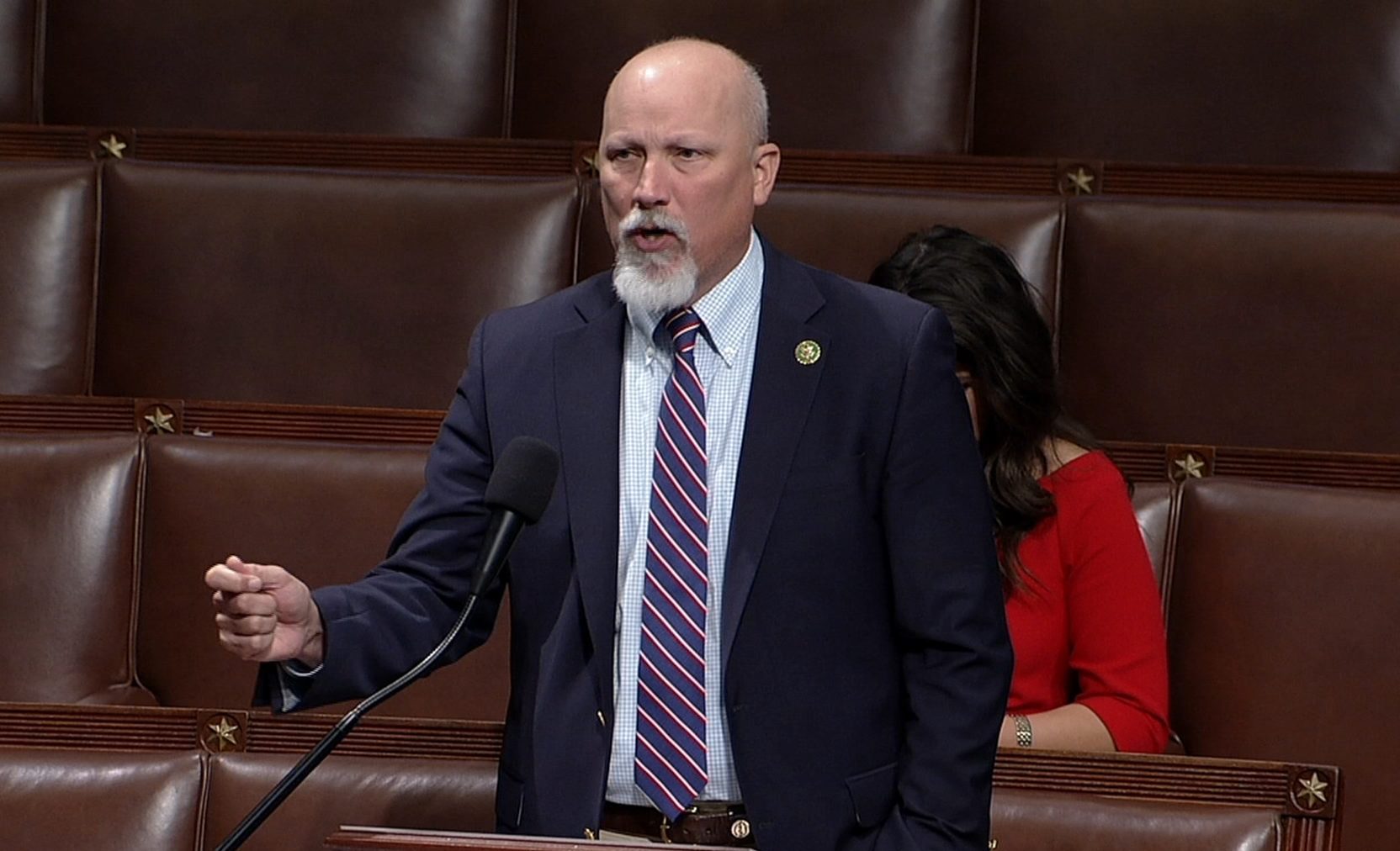
A new bill introduced by Chip Roy could dramatically expand federal criminal liability in fentanyl overdose cases by allowing prosecutors to seek the death penalty when distribution of fentanyl-related substances results in death.
The proposed “Deal Death, Face Death Act” would amend the Controlled Substances Act to permit capital punishment in certain fentanyl distribution cases tied to fatal overdoses. The legislation would also sharply increase financial penalties, raising maximum fines to $2 million for individuals and $10 million for non-individual defendants.
The proposal reflects a broader shift in how lawmakers and prosecutors are increasingly approaching fentanyl enforcement, not solely as a narcotics issue, but as conduct carrying potential homicide-level criminal liability when overdose deaths occur.
If enacted, the bill would materially strengthen prosecutorial leverage in fentanyl-related death cases while intensifying legal disputes surrounding causation, intent, knowledge, and evidentiary standards.
In practice, overdose prosecutions frequently involve complex toxicology findings where multiple substances are present, creating disputes over whether fentanyl directly caused the death or merely contributed to it alongside alcohol, prescription medication, or other narcotics.
Those evidentiary questions could become substantially more significant if prosecutors are given authority to pursue capital punishment in qualifying overdose cases.
The legislation also arrives amid continuing political pressure surrounding the fentanyl crisis across the United States. Figures cited by Roy’s office state that fentanyl poisonings killed nearly 48,000 Americans during 2024 despite broader declines in overdose deaths nationally, while Texas recorded more than 5,000 overdose deaths over the same period.
Federal law already provides severe penalties where drug distribution results in death. However, the proposed legislation would push federal enforcement materially further by explicitly authorising prosecutors to pursue the death penalty in certain fentanyl-related overdose prosecutions.
That escalation would likely trigger immediate constitutional debate. Capital punishment litigation routinely raises Eighth Amendment arguments concerning proportionality, intent, causation, and cruel and unusual punishment standards, particularly in cases where establishing direct responsibility for a death may involve disputed medical and forensic evidence.
Multiple states have already moved toward tougher fentanyl sentencing laws, and the proposal adds to growing political and prosecutorial pressure to treat fatal overdose cases more like homicide prosecutions than traditional narcotics offences.