
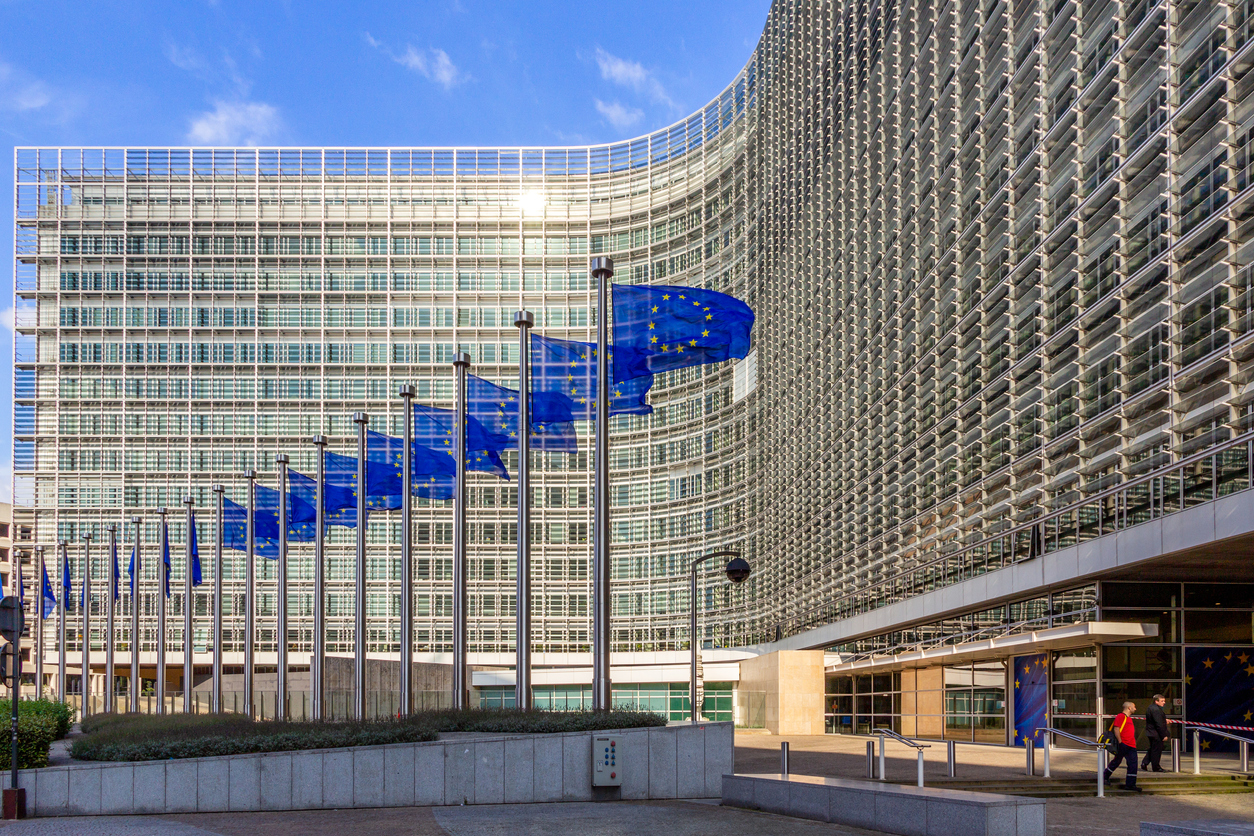
The European Commission has accused several synthetic turf companies of potentially breaching EU antitrust rules through alleged cartel arrangements tied to recycling and pricing practices in the Netherlands and Germany that may have restricted competition in the sports pitch market.
The Commission’s Statements of Objections outline concerns that major industry participants coordinated pricing, recycling access, and commercial conduct in ways that may have distorted competition across both countries. If confirmed, the alleged conduct could amount to violations of Article 101 of the Treaty on the Functioning of the European Union (TFEU), one of the EU’s core antitrust provisions.
Municipalities and public authorities regularly use tender processes to replace synthetic sports pitches, meaning recycling costs and disposal arrangements can directly influence who wins contracts and which companies are excluded from the market.
Commission Alleges Coordination Around Recycling and Pricing
The Commission sent Statements of Objections to several companies involved in the synthetic turf industry over alleged anti-competitive arrangements in the Netherlands and Germany.
In the Netherlands, the investigation involves Dutch companies Oranjewoud and TenCate Grass, Belgian-based Sports & Leisure Group, and later Domo Sports Grass Nederland. Regulators say the companies coordinated conduct linked to recycling business GBN-AGR, now known as AGR.
The Commission says the companies may have agreed not to compete with GBN-AGR in recycling services, while also using the company exclusively and structuring prices in a way that disadvantaged rivals.
A separate part of the investigation focuses on Oranjewoud and Germany-based Sport Group between 2020 and 2023, during discussions about possible cooperation linked to synthetic turf recycling expansion in Germany.
According to the Commission, the companies exchanged confidential information covering prices and production capacity without safeguards limiting the scope of those discussions. Regulators also allege the companies agreed on a central pricing element for synthetic turf recycling in Germany known as a “gate fee.”
The investigation is ongoing and the Statements of Objections do not represent a final finding. The companies now have an opportunity to respond before the Commission reaches a final decision.
Sustainability Partnerships Face Increasing Antitrust Scrutiny
The investigation centres on Article 101 TFEU, which prohibits agreements and coordinated practices that restrict or distort competition within the EU internal market.
The case comes as regulators pay closer attention to environmental and recycling partnerships, particularly where competitors work together in markets linked to public contracts, disposal services, or sustainability targets.
Executive Vice-President Teresa Ribera said sustainability agreements must remain “fully in line with competition rules” and warned against attempts to distort markets “under the guise of environmental action.”
Companies involved in ESG or recycling partnerships can run into antitrust problems when discussions with competitors move beyond sustainability planning and into areas such as pricing, production capacity, supplier access, or exclusivity arrangements.
If the Commission ultimately finds that EU competition rules were breached, companies could face fines of up to 10% of annual worldwide turnover alongside remedies aimed at ending the alleged conduct.
Compliance Pressure Extends Beyond the Synthetic Turf Sector
Brussels has been paying closer attention to recycling and circular-economy deals in markets where a small group of companies controls disposal, recycling, or replacement services.
Synthetic turf is already tied closely to public contracts and environmental rules. Recycling costs can shape tender prices and influence which companies win long-term work from municipalities and local authorities.
The investigation follows unannounced inspections carried out by the Commission in June 2023 at companies active in the synthetic turf industry across several Member States.
Any fallout from the case is unlikely to stop at financial penalties. Companies can face procurement reviews, pressure from public-sector customers, board-level scrutiny, and reputational damage well before regulators reach a final decision.
The companies now have access to the Commission’s file and can respond to the allegations before any final decision is made.
No legal deadline has been set for completing the investigation. According to the Commission, timing will depend on factors including case complexity and how defence rights are exercised during proceedings.
Further details are expected to appear under case numbers AT.40957 and AT.40956 in the Commission’s public competition register.