
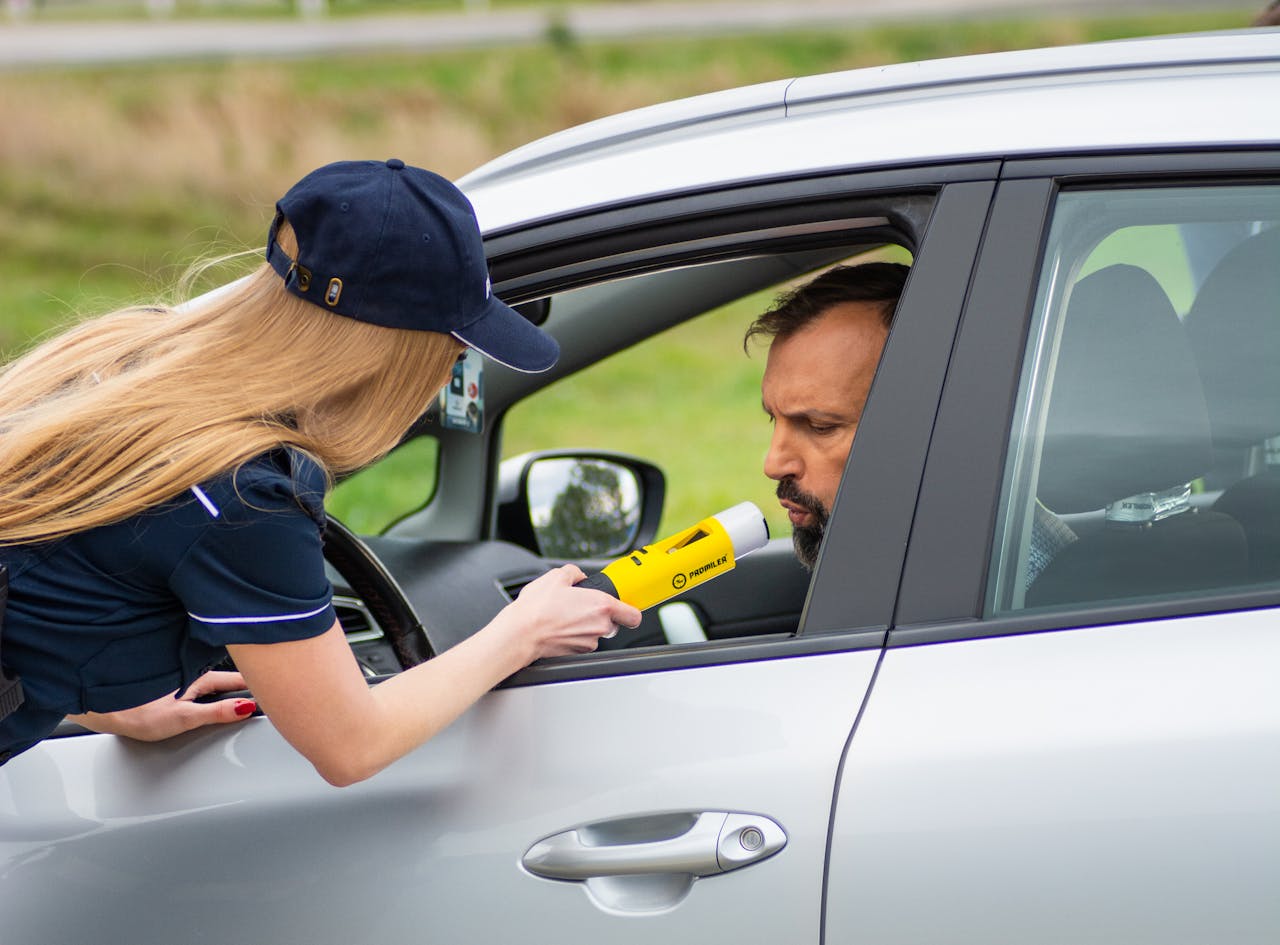
Alcohol dulls a driver’s senses, making it almost impossible to navigate safely. It slows the brain’s processing of what the eyes see, which is a major problem when you need to judge speed or distance. Suddenly, gauging how fast an oncoming car is moving or how far away an intersection is becomes a high-stakes guessing game—one that usually ends in a crash. Victims of these collisions often face life-altering trauma, necessitating the expertise of a serious auto injury attorney to navigate the complex aftermath of an accident that should never have happened. If you suspect the other driver was drinking, don’t wait to hire a lawyer. Evidence in these cases disappears fast, and you need to act immediately to lock it down and prove they were at fault.
The Physiological Decay of Visual Depth Perception
Alcohol messes with your eye coordination, making it hard to focus or track movement. Because your eyes struggle to work together, you lose your depth perception, leaving you unable to tell how far away a vehicle is or how fast it’s actually moving. Extensive research into patterns of alcohol consumption and associated health risks, alcohol disconnects what your eyes see from how your brain processes space.
You rely on depth perception for basic things like keeping a safe distance or taking a turn, so when that’s off, even normal driving quickly becomes dangerous. Drivers essentially lose the ability to track moving objects smoothly, which often results in dangerous lane drifting or an inability to judge the gap between their vehicle and others, leading to high-impact rear-end collisions with little to no braking intervention.
Misinterpreting Distance and Spatial Awareness
Alcohol also ruins your depth perception, which is what you use to keep a safe distance from the car ahead of you. To judge distance, your brain needs both eyes to work in sync, but alcohol breaks that connection, leaving you unable to tell how much space you actually have. Alcohol stops your brain from combining the images from each eye, which ruins your depth perception and creates dangerous illusions of space.
You might see the car in front of you, but fail to judge how fast you’re closing in until it’s too late. On top of that, you get “tunnel vision,” which means you’ll likely miss cars merging into your blind spot or hazards coming from the side. Your brain basically loses the ability to map the road, making it impossible to judge lanes and clearance correctly.
The Delayed Physiological Response and Neurological Impairment
Most alcohol-related crashes come down to a deadly mix of bad perception and slow reaction time. Even when you realize you need to stop, there’s a noticeable lag between your brain seeing the danger and your foot actually hitting the brake. Your physical response just can’t keep up, and it’s made even worse because alcohol kills your ability to stay focused on the road.
Research published by this government health institute highlights how alcohol disrupts the brain’s ability to maintain focus, which directly translates to a failure in judging how far away an intersection or another vehicle actually is. When the brain cannot maintain a continuous, clear model of the environment, it cannot predict the future path of other vehicles, leading to erratic adjustments and a complete loss of situational awareness that puts everyone on the road at an unacceptable level of risk.
Conclusion: Addressing the Consequences of Impaired Driving
Driving drunk strips away your ability to judge speed and distance, effectively leaving you with zero reaction time when danger appears. For the victims hit by these drivers, the aftermath is usually devastating—bringing long-term physical, emotional, and financial burdens.
Understanding exactly how impairment caused these mistakes is key to proving the driver’s negligence. In the aftermath of such a collision, the importance of having a serious auto injury attorney cannot be overstated, as they are essential for navigating the complex claims process, securing necessary medical support, and ensuring that those who have been harmed can find a path toward recovery and justice.