
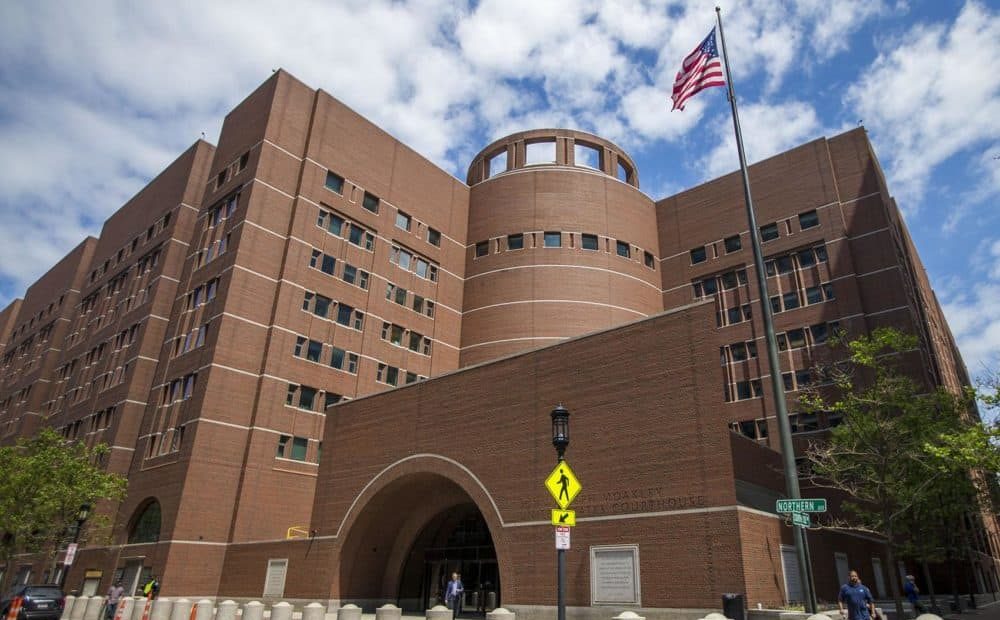
Nineteen people were arrested, including attorney Nicolo Nourafchan, who prosecutors identified as being at the centre of the alleged scheme. Authorities claim the operation ran for more than a decade and involved confidential information linked to major corporate transactions across multiple law firms.
Nourafchan, a Yale Law School graduate, worked between 2013 and 2023 at firms including Sidley Austin, Latham & Watkins and Goodwin Procter. Although the indictment did not formally identify the firms, prosecutors referenced transactions the firms had publicly announced they advised on.
Authorities allege Nourafchan and New York attorney Robert Yadgarov orchestrated the scheme by obtaining confidential information relating to pending mergers and distributing it through a network of traders and middlemen in exchange for kickbacks.
The allegations are particularly significant because prosecutors framed the conduct not simply as unlawful trading, but as an abuse of the professional access attached to legal practice itself. U.S. Attorney Leah Foley said the alleged conduct exploited the “special access and ethical duties that come with a law license”, reinforcing how insider trading enforcement increasingly overlaps with professional responsibility obligations inside elite corporate law firms.
That distinction matters because confidentiality forms one of the central foundations of modern M&A legal work. Corporate clients routinely share acquisition plans, restructuring discussions, financing strategies and commercially sensitive negotiations with outside counsel months before public announcements occur.
Once confidence in those confidentiality systems weakens, the consequences can extend beyond criminal liability into reputational damage, regulatory scrutiny and client trust concerns.
Prosecutors said Nourafchan and others accessed confidential law firm documents relating to unannounced mergers, including information stored within internal document management systems.
The allegations therefore create broader questions about internal access controls, cybersecurity protections, compliance monitoring and ethical safeguards inside large legal practices where highly market-sensitive information is distributed across departments, jurisdictions and advisory teams.
The indictment also highlights how insider trading investigations are evolving. Regulators are increasingly focusing not only on individual traders, but on the wider professional ecosystems surrounding confidential corporate information, including lawyers, consultants, advisers and intermediaries with indirect access to pending transactions.
Among the deals referenced by prosecutors was Amazon’s proposed acquisition of iRobot in 2022, which was later abandoned following antitrust opposition.
Prosecutors allege that while employed by Goodwin Procter, Nourafchan viewed confidential materials relating to the transaction through the firm’s document management system while “on leave” from the firm.
Nine additional individuals previously pleaded guilty in cases dating back to 2024 that were unsealed alongside the latest indictments.
Prosecutors said one of those individuals, Gabriel Gershowitz, had worked at firms including Weil, Gotshal & Manges, DLA Piper and Willkie Farr & Gallagher before allegedly supplying non-public information connected to corporate transactions.
Importantly, prosecutors described the law firms involved as victims rather than targets of enforcement. Several firms publicly stated they had co-operated with investigators and stressed that the lawyers accused had left years earlier.
Wachtell, Lipton, Rosen & Katz confirmed that a former lawyer was allegedly involved and said it had co-operated with prosecutors. Latham & Watkins stated that the alleged conduct would represent “a serious violation” of the firm’s policies and procedures, while Goodwin said it was “deeply disappointed” by the allegations.
Even so, the reputational and compliance implications for the legal industry are significant. Large corporate firms may now face increased pressure to tighten document access permissions, improve internal monitoring and impose stricter controls around sensitive transactions and deal teams.