
Some of America’s biggest corporations are facing lawsuits that already involve settlements or verdicts worth billions of dollars collectively — and thousands of consumers are still racing to file claims before legal deadlines expire.
From Ozempic and hair relaxer cancer claims to PFAS contamination lawsuits and social media addiction litigation, courts across the United States are continuing to handle massive waves of injury claims tied to allegedly dangerous drugs, chemicals, medical devices and consumer products in 2026.
For consumers, timing matters. Several law firms involved in active mass tort lawsuits have warned that waiting too long after discovering an alleged injury could permanently block compensation claims under state statutes of limitation.
Many of these lawsuits are U.S.-based, but some involve globally used products and brands that may affect consumers outside the United States depending on jurisdiction and eligibility rules.
Here are 10 of the biggest lawsuit payouts people may still be able to claim in 2026 — including who could still be eligible, whether settlements are already happening and why some of the cases are growing rapidly nationwide.
Why 2026 Could Be a Turning Point
Some of the biggest lawsuits in America are entering pivotal stages this year, including bellwether trials, scientific evidence hearings and expanding settlement negotiations. Law firms across the U.S. continue screening new claimants in cases involving Ozempic, PFAS chemicals, social media addiction and cancer-linked consumer products.
For many plaintiffs, 2026 may become the year that determines whether settlements accelerate or courtroom battles continue for years.
Fastest-Growing Lawsuits in 2026
The lawsuits expanding fastest this year include:
- Ozempic and GLP-1 drug litigation
- Hair relaxer cancer lawsuits
- Social media addiction claims
- PFAS firefighting foam lawsuits
- Depo-Provera brain tumor litigation
The growing number of claims and rising public awareness have turned these cases into some of the most closely watched mass tort battles in the country.
Could You Already Be Running Out of Time?
In many mass tort lawsuits, statutes of limitation begin once someone discovers an injury rather than when the product was first used. That means delays in diagnosis, medical testing or discovering a possible connection between a product and an illness can become legally critical.
Some law firms handling major lawsuits in 2026 have warned that waiting too long could permanently block compensation claims even while courts continue seeing new filings nationwide.
1. Ozempic and Wegovy Lawsuits
Patients taking Ozempic, Wegovy and similar GLP-1 medications are filing lawsuits alleging severe gastrointestinal injuries including gastroparesis, bowel obstruction and intestinal paralysis. The claims argue consumers were not adequately warned about certain long-term risks associated with the drugs.
People diagnosed with serious gastrointestinal complications after using Ozempic, Wegovy, Mounjaro or similar GLP-1 medications could still be eligible to pursue claims under the laws of individual states. There is no national filing cutoff yet, but many states impose windows of one to three years from diagnosis or discovery of the alleged injury.
Large global settlements have not yet been reached, and lawyers caution that reliable average payout figures do not yet exist because the lawsuits are still relatively early.
Still, the explosive commercial success of GLP-1 drugs has put billions of dollars at stake for manufacturers.
2. Depo-Provera Brain Tumor Lawsuits
Women across the U.S. are filing lawsuits alleging long-term Depo-Provera use caused meningioma brain tumors. The cases accelerated after scientific studies examined potential links between prolonged use and elevated tumor risk.
Women diagnosed with meningioma after prolonged Depo-Provera use are still pursuing claims nationwide, although filing deadlines vary between states and depend heavily on when the condition was diagnosed.
No major settlement has been reached so far, though the number of cases keeps rising in 2026. Many lawyers believe the court fight could become one of the largest pharmaceutical injury battles involving women’s health products in years.
3. Hair Relaxer Cancer Lawsuits
Thousands of women have filed lawsuits alleging chemical hair relaxers increased the risk of uterine cancer, ovarian cancer and reproductive injuries. The claims focus on alleged exposure to endocrine-disrupting chemicals found in certain products.
Women diagnosed with uterine, ovarian or endometrial cancers after years of hair relaxer use are still filing claims nationwide, although deadlines vary significantly by state and often depend on when claimants first became aware of the alleged connection.
Large nationwide settlements have not yet emerged, and lawyers say reliable average payout estimates remain difficult because the lawsuits are still developing. The claims target major cosmetic brands and could reshape chemical safety expectations within the beauty industry.
4. NEC Baby Formula Lawsuits
Some of the largest recent verdicts in product liability litigation have involved NEC baby formula lawsuits. Parents are suing manufacturers over allegations certain cow’s milk-based formulas increased the risk of necrotizing enterocolitis in premature infants.
Parents of premature infants diagnosed with NEC after being fed certain formulas in neonatal intensive care units may still qualify to pursue claims. In some cases, surviving family members or estate representatives may also file lawsuits.
Several verdicts have already reached into the hundreds of millions of dollars before appeals.
Hospitals and formula manufacturers could face growing pressure to change feeding warnings and safety disclosures if the lawsuits continue expanding.
5. Bard PowerPort Catheter Lawsuits
Patients are filing claims alleging Bard PowerPort implantable catheters fractured, migrated or caused severe infections and blood clots.
Patients who experienced catheter fractures, infections, blood clots or additional surgeries linked to Bard PowerPort devices could still be eligible based on available medical evidence and when complications were discovered.
No major nationwide settlement has been finalized yet, but courts are still handling large numbers of lawsuits in 2026 as more patients report complications surfacing years after implantation.
6. AFFF Firefighting Foam and PFAS Lawsuits
Firefighters, military personnel and nearby residents are filing lawsuits alleging PFAS “forever chemicals” in firefighting foam contributed to cancers and other illnesses.
People diagnosed with certain cancers or illnesses after long-term PFAS exposure through firefighting foam, military service or contaminated water may still be able to pursue claims. In some cases, surviving relatives or estate representatives may also file lawsuits.
Several PFAS contamination settlements have already collectively reached billions of dollars, although many personal injury lawsuits continue growing in 2026.
Many lawyers now compare PFAS litigation to the early years of asbestos lawsuits because of the sheer scale of potential exposure claims.
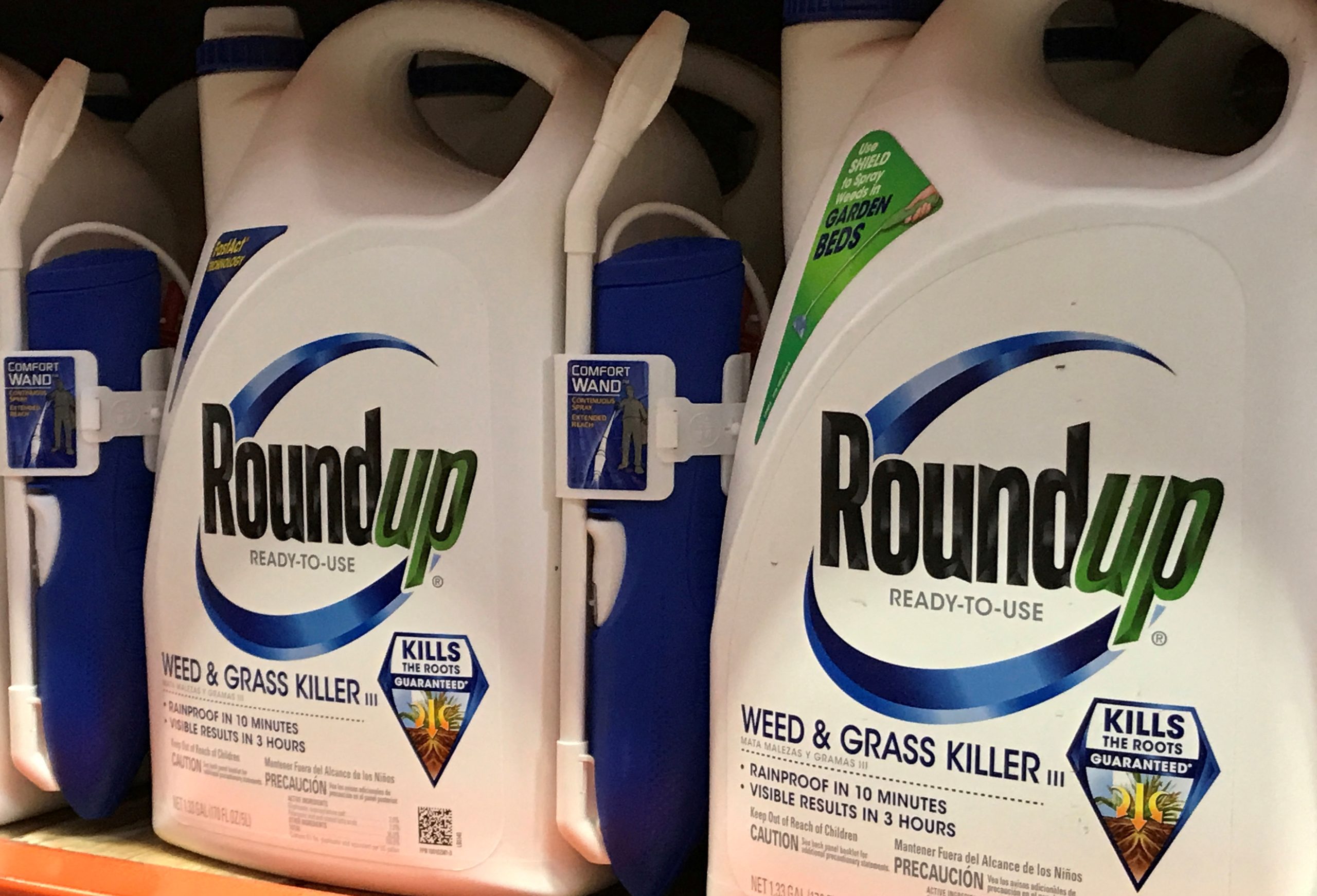
7. Roundup Cancer Lawsuits
Bayer has already committed more than $10 billion resolving Roundup claims, making the litigation one of the most expensive product liability battles in U.S. history.
Thousands of plaintiffs continue pursuing lawsuits alleging Roundup weedkiller exposure caused non-Hodgkin lymphoma. Farmers, landscapers, groundskeepers and long-term Roundup users diagnosed with the cancer may still qualify depending on state deadlines and diagnosis timing.
Individual payouts vary significantly depending on injury severity, exposure history and medical evidence, and new lawsuits continue to be filed nationwide.
8. Suboxone Tooth Decay Lawsuits
Patients are filing lawsuits alleging Suboxone sublingual film caused severe tooth decay and dental damage. The FDA previously added warnings about dental risks associated with buprenorphine medicines dissolved in the mouth.
Patients suffering major dental deterioration, tooth loss or expensive reconstruction procedures after Suboxone use may still be able to pursue claims, although filing windows vary significantly by state.
No major global settlement has yet been reached in 2026, but the lawsuits continue raising broader questions surrounding pharmaceutical warning labels and delayed safety disclosures.
9. Tepezza Hearing Loss Lawsuits
Patients treated with Tepezza for thyroid eye disease are filing claims alleging the medication caused hearing loss, tinnitus and permanent auditory damage.
Patients diagnosed with hearing complications after Tepezza treatment are still filing claims nationwide, although eligibility often depends on medical records and when symptoms first appeared.
Large nationwide settlements have not yet been finalized, but lawyers continue closely watching the lawsuits because of the growing pressure surrounding high-cost specialty drugs and alleged undisclosed side effects.
10. Social Media Addiction Lawsuits
Thousands of lawsuits are now targeting Meta, TikTok, Snap and Google over allegations that addictive platform design harmed minors’ mental health.
Parents, school districts and young adults continue filing claims involving eating disorders, self-harm, depression and addiction-related injuries allegedly linked to prolonged social media use by minors. There is no single national deadline, though both federal and state proceedings remain active in 2026.
No broad settlement structure has been finalized yet, and reliable payout estimates remain difficult because the lawsuits are still in relatively early stages. But attorneys increasingly describe the legal battle as one of the most consequential fights involving technology companies and youth mental health in modern history.
Which Lawsuits Could Produce the Biggest Payouts?
Lawyers and analysts believe several lawsuits could eventually produce especially large payouts because of the number of people filing claims, long-term medical costs and the severity of alleged injuries.
The most closely watched include Roundup cancer litigation, PFAS firefighting foam lawsuits, Ozempic and GLP-1 lawsuits, and social media addiction claims.
Several already involve billions of dollars in settlements, while others remain early enough that their full financial scale may not yet be visible. Individual payouts can range from relatively modest settlements to substantial awards depending on injury severity, medical costs, age, lost income and available evidence.
What Is a Bellwether Trial?
Bellwether trials are early test cases used to gauge how juries may respond to evidence and damages claims before broader settlement negotiations occur.
Large verdicts in bellwether trials can increase pressure on companies to negotiate settlements, while defense wins may slow litigation momentum. Many of the largest lawsuits in 2026 are still approaching key bellwether stages.
What Proof Do Lawyers Usually Require?
Consumers considering claims are often asked to provide:
- medical diagnosis records
- prescription history
- proof of product use
- pathology reports
- surgery records
- employment or military exposure history
- timelines showing when injuries allegedly emerged
In many lawsuits, proving when an injury was discovered becomes critical because filing windows vary significantly by state.
Common Reasons Claims Get Rejected
Claims are sometimes rejected because of missing medical records, inability to prove product use, expired limitation periods, insufficient exposure evidence or alternative medical explanations for injuries.
These issues can become especially important in large multidistrict litigation involving thousands of claimants.
Do You Have to Pay Upfront?
Most mass tort law firms handle claims on a contingency-fee basis, meaning clients generally do not pay legal fees unless compensation is recovered through settlement or verdict. Fee structures, however, vary between firms and jurisdictions.
What Happens If a Company Settles?
If a global settlement is reached, compensation is often distributed through settlement matrices evaluating injury severity, medical evidence, age, lost income, treatment costs and proof of exposure or product use.
Not every claimant receives the same payout amount, and some cases may continue separately even after large settlements occur.
How Long Does It Take to Receive a Lawsuit Payout?
Mass tort litigation often takes months or years depending on settlement negotiations, medical review processes, appeals, court scheduling, lien resolution and claimant volume.
Some lawsuits settle relatively quickly, while others remain active for years before major payouts occur.
Can UK Consumers Join U.S. Lawsuits?
Some international claimants may qualify depending on where products were purchased, prescribed or used, though jurisdiction rules vary significantly between lawsuits.
Consumers outside the United States usually need legal advice specific to their country and circumstances before filing claims.
Why These Lawsuits Matter Beyond Compensation
Mass tort litigation increasingly shapes corporate risk, product safety standards and regulatory oversight across the United States.
For companies, large-scale litigation can trigger billions in potential damages, shareholder pressure and reputational damage long before any final verdict is reached. For consumers, these lawsuits often become the primary mechanism through which alleged safety failures are publicly examined in court, offering broader legal insight into how mass tort litigation can reshape corporate accountability and product safety standards.
Anyone considering a claim should get independent legal advice as early as possible, especially where filing deadlines or medical evidence could affect eligibility.