
A company can survive bad quarters, failed products and nervous investors. What boards struggle to survive is the moment they stop believing their own chief executive.
That problem is now sitting at the centre of OpenAI’s courtroom fight with Elon Musk. Officially, the case is about the company’s structure, its nonprofit origins and the future direction of one of the world’s most powerful AI businesses. But testimony from former chief scientist Ilya Sutskever has dragged a far more uncomfortable issue into public view: how companies start unravelling when senior leadership no longer trusts the information coming from the top.
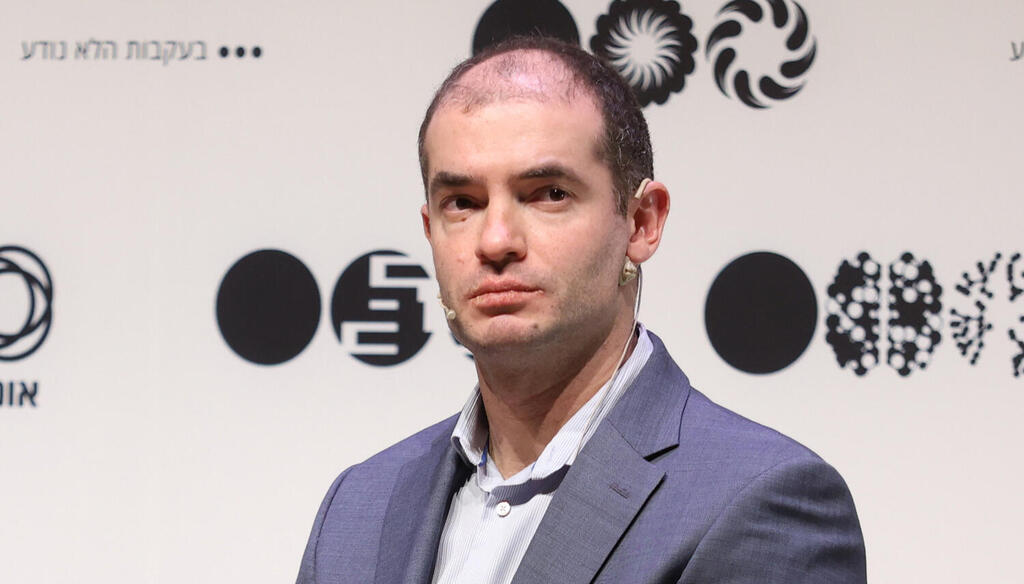
According to testimony reported during the California trial, Sutskever said he spent roughly a year collecting examples for OpenAI’s board that Sam Altman had shown what he described as a “consistent pattern of lying.” He also confirmed discussions about removing Altman had been taking place long before the dramatic board decision in November 2023 that briefly forced Altman out before he returned days later.
Altman is expected to testify himself, and OpenAI continues to deny wrongdoing in the broader dispute brought by Musk. But the real issue now stretches far beyond one AI company or one founder battle. The case is turning into a warning about how leadership credibility problems can quickly become boardroom exposure, investor anxiety and wider corporate fallout.
That shift matters because many modern technology companies are still built around unusually powerful founders. Investors often accept informal decision-making, weak oversight and concentrated control if the company grows quickly enough. Inside many businesses, entire leadership structures end up relying on the judgment and personality of one executive more than proper internal controls.
The danger starts the moment confidence inside the leadership group begins falling apart before anyone outside the company notices.
Once senior leadership suspects reliable information is no longer flowing properly, the issue changes completely. It stops being office politics and becomes a problem about oversight, accountability and whether the company can still function properly at the top level.
That is one reason Sutskever’s testimony reaches far beyond Silicon Valley. The allegations discussed in court were not described as a single disagreement or one misleading conversation. They were presented as concerns that had been building for a long time. In major corporate disputes, that difference can become critical. A difficult working relationship may not create serious exposure on its own. A sustained effort to collect evidence about executive conduct can later become part of the evidence behind a major corporate fight.
The moment concerns start being formally recorded, the legal temperature changes. Internal tensions are no longer just emotional reactions or executive disagreements. They become part of a documented process that courts, investors and regulators may later pull apart line by line.
Companies can end up trapped whichever route they take. If concerns are ignored for too long, lawyers and investors later start asking why nobody acted earlier. If leadership moves aggressively against a founder, the company can be accused of destabilising itself, damaging investors or acting without proper justification. OpenAI’s 2023 leadership crisis exposed both risks at the same time.
The company removed Altman, then reversed course after employees, investors and business partners reacted with alarm. That sequence may end up becoming one of the defining boardroom case studies of the AI era because it exposed how fragile companies can become when too much authority sits with one person.
The problem goes further than whether Altman misled anyone. Courts also examine how the company handled the situation itself. What evidence existed? Were concerns investigated properly? Was there a clear record explaining why decisions were made? Did leadership have a chance to respond? Were investors given an accurate picture of what was happening inside the company?
Those questions appear repeatedly in corporate litigation because judges rarely focus only on the outcome. They focus on whether the process looked responsible before the damage was done.
That becomes even more important once companies reach the scale OpenAI now occupies. Artificial intelligence firms are becoming deeply connected to financial markets, government policy, national infrastructure and public trust. Investors are pouring tens of billions into companies whose value depends heavily on confidence in leadership. If confidence inside the company starts cracking publicly, the fallout can spread quickly through financing, partnerships and commercial relationships.
Microsoft’s involvement in the OpenAI ecosystem shows how these situations rarely stay contained inside one business. When instability hits a company tied closely to strategic investors, cloud providers and major commercial partners, the disruption spreads far beyond executive reputations. It can affect negotiations, hiring, valuations, future funding and long-term agreements.
The trial is also exposing a wider problem for companies dominated by powerful founders. Modern tech culture often rewards executives who move faster than internal controls can realistically monitor. Charismatic founders are treated as strategically essential while the company is growing rapidly. That arrangement works until the same leadership style that helped build the business starts weakening internal oversight.
At that point, companies face a brutal balancing act. Removing a founder may create immediate chaos inside the business. Leaving concerns unresolved may create even bigger problems later if regulators, investors or courts decide warning signs were ignored.
That is why internal records become so important in disputes like this. Reuters previously reported that Sutskever had referred to a document running roughly 52 pages. The contents matter less than what the document itself represents. Once companies begin gathering detailed evidence about executive conduct, the situation has entered a much more serious phase internally. Concerns are no longer private conversations behind closed doors. They become part of a formal evidentiary trail that may later justify, challenge or expose leadership decisions.
For ordinary businesses, the OpenAI fight should not be dismissed as a strange Silicon Valley power struggle. Similar patterns appear inside smaller companies constantly, although usually without the same publicity. A managing director gives different explanations to investors and staff. A founder hides financial pressure from colleagues. Executives compete internally for influence while the company struggles to establish a reliable picture of what is really happening inside the business.
In many disputes, the eventual problem is not only what the executive did. The bigger issue is whether the company responded properly once concerns started appearing.
That is where oversight failures can turn into direct liability problems.
If concerns sit unresolved for too long, companies may later face accusations that leadership failed to supervise the business properly. If the response becomes reckless or chaotic, the fallout can spread across employment disputes, investor claims, fiduciary duty arguments and regulatory investigations.
The OpenAI case is also landing at a particularly sensitive moment for artificial intelligence companies. These businesses are asking governments, corporations and consumers to trust systems capable of influencing communication, finance, healthcare, education and public information. In that environment, leadership credibility becomes part of the company’s commercial value.
A business promising to build transformative AI technology cannot easily separate product trust from leadership trust. If confidence inside the company fractures publicly, questions about accountability and oversight quickly become part of the company’s wider commercial exposure.
That may ultimately become the most important consequence of this trial. Regardless of how Musk’s claims are resolved, or how Altman responds in court, the proceedings have already exposed how vulnerable modern companies become when too much trust, authority and decision-making sit with one executive.
For companies watching from the outside, the warning is becoming harder to ignore. Once senior leadership starts questioning whether they are hearing the full truth internally, the fallout rarely stays inside the boardroom for long.